Adelaide vs Melbourne Water Quality Compared
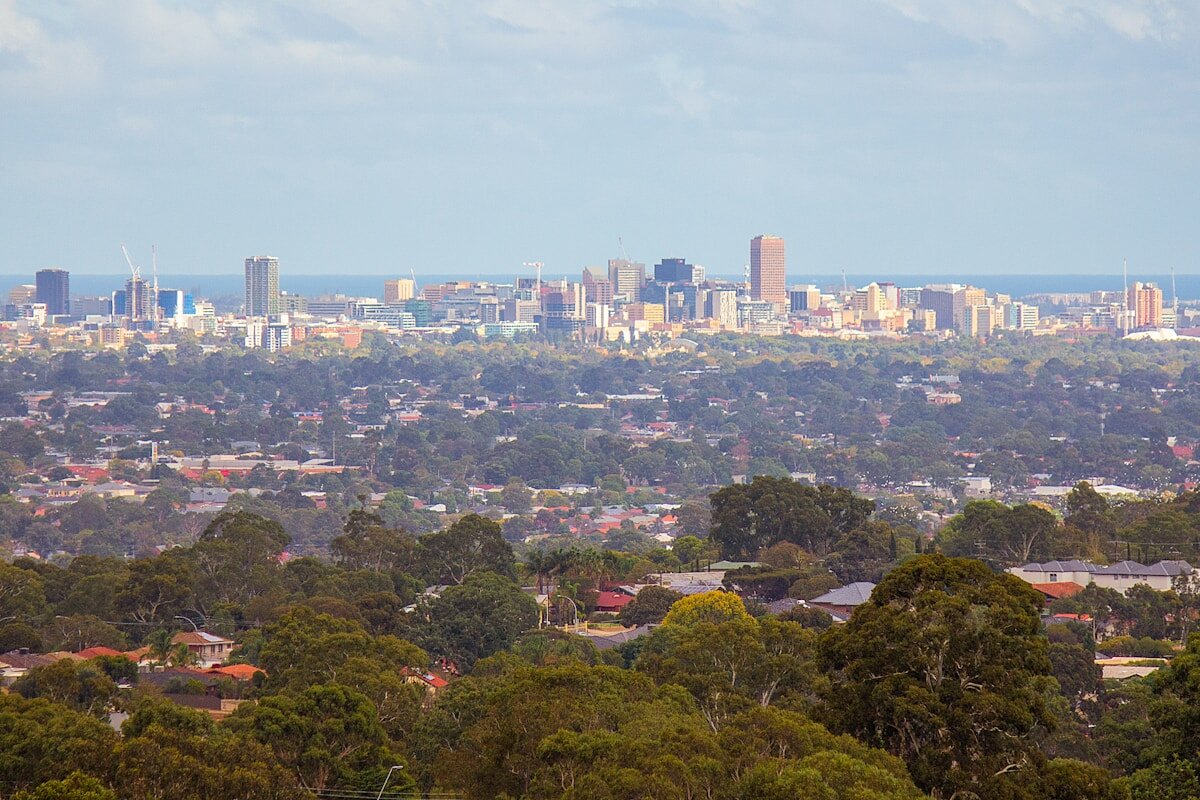
White scale on the kettle. Soap that won’t lather. A faintly mineral taste in every glass. Adelaide residents know these signs well. Melbourne residents, on the other hand, rarely think about their tap water at all.
The difference between Adelaide and Melbourne water quality comes down to two things: where each city sources its water and what minerals that water picks up along the way.
Where Adelaide and Melbourne Get Their Water
Adelaide’s water supply is managed by SA Water, drawing primarily from the Murray River and local reservoirs in the Mount Lofty Ranges. The Murray travels over 2,500 km through farmland and semi-arid country before reaching Adelaide, collecting dissolved calcium, magnesium, and other minerals along the way.
Melbourne’s supply comes from protected catchments in the Yarra Ranges and other mountain forests, managed by Melbourne Water and distributed by three retail utilities (South East Water, Yarra Valley Water, and Greater Western Water). These catchments are largely closed to the public, so the water stays clean and naturally soft from the moment it falls as rain.
This difference in source water is the single biggest reason Adelaide and Melbourne water quality feel so different at the tap.
Adelaide vs Melbourne Water Quality: Hardness Is the Biggest Gap
Hardness is where Adelaide and Melbourne water quality diverge most. According to WaterScore data from utility reports:
| Parameter | Adelaide (typical metro) | Melbourne (typical) | ADWG Guideline |
|---|---|---|---|
| Hardness (mg/L) | 87-170 | 15-29 | 200 (aesthetic) |
| TDS (mg/L) | 263-394 | 30-80 | 600 (aesthetic) |
| pH | 7.2-7.5 | 7.3-8.1 | 6.5-8.5 |
| Fluoride (mg/L) | 0.4-0.7 | 0.0-0.8 | 1.5 |
Adelaide’s tap water is classified as moderately hard to hard. In some Adelaide suburbs, hardness reaches 111 mg/L (Andrews Farm) or higher, while areas further from the metro like Padthaway record levels above 600 mg/L. Aberfoyle Park sits at 97 mg/L with TDS of 300 mg/L.
Melbourne’s water, by contrast, sits at 15-29 mg/L across zones like Dandenong, Craigieburn, Doncaster, and Eltham. That puts it firmly in the “soft” category. You can check your own suburb using our water hardness calculator.
Why Adelaide Water Is Harder Than Melbourne’s
The Murray River is the main culprit. As Australia’s longest river system, it flows through geological formations rich in limestone and other minerals. By the time the water reaches Adelaide’s treatment plants, it carries a high mineral load that standard treatment processes don’t fully remove (and aren’t designed to, since these minerals are safe to consume).
Seasonal variation makes Adelaide water quality even less predictable. During dry summers and droughts, Murray River flows drop and mineral concentrations increase. An Adelaide suburb that measures 90 mg/L hardness in winter may see levels rise noticeably by late summer. Regional SA towns further along the supply chain can see even bigger swings.
Melbourne’s catchments work differently. Rainwater falls on forested mountain slopes, filters through relatively shallow soil, and collects in large reservoirs. There’s minimal contact with mineral-rich rock, so the water stays soft year-round. Melbourne Water also benefits from having catchments that are closed to agriculture and human activity, reducing the need for heavy treatment.
How Each City Treats Its Water
Both cities treat their water to meet Australian Drinking Water Guidelines, but the starting quality of the source water shapes the process.
SA Water’s treatment for Adelaide includes coagulation, filtration, and chlorine disinfection. The Adelaide Desalination Plant also contributes to the supply, producing water with very low mineral content. When desalinated water makes up a larger share of the mix, Adelaide’s hardness drops. Fluoride is added at 0.4-0.7 mg/L across most of the network.
Melbourne’s treatment is lighter by comparison. Because the catchment water is already clean and soft, treatment focuses on disinfection (chlorine or UV) and fluoridation. Some supply zones use membrane filtration for additional safety. The result is water that needs less processing to reach the tap, which is reflected in Melbourne’s consistently low hardness and TDS readings.
How Adelaide vs Melbourne Water Quality Affects Daily Life
Most people notice the difference between Adelaide and Melbourne water quality immediately when they move between cities.
Adelaide’s higher mineral content means:
- A noticeable mineral or “earthy” taste, especially during summer when Murray River levels drop and mineral concentration rises
- White limescale buildup on kettles, taps, and showerheads
- Soap and shampoo that don’t lather as easily
- Potential for scale in hot water systems over time
Melbourne’s soft water means:
- A clean, relatively neutral taste
- Very little limescale buildup
- Better soap lathering
- Less wear on appliances
These are aesthetic differences. Both cities’ water is safe to drink. The Australian Drinking Water Guidelines set hardness at 200 mg/L as an aesthetic guideline, not a health limit, and most Adelaide metro suburbs fall below that threshold.
Safety and ADWG Compliance for Adelaide vs Melbourne Water
Both Adelaide and Melbourne water meet Australian Drinking Water Guidelines for health-related parameters. SA Water tests tens of thousands of samples annually, and Melbourne’s three retail utilities maintain similarly rigorous testing programs.
Key safety parameters are comparable:
- E. coli: Both cities maintain 100% compliance for microbiological safety
- Fluoride: Adelaide ranges from 0.4-0.7 mg/L, Melbourne from 0.0-0.8 mg/L, both well within the 1.5 mg/L guideline
- Chlorine: Both cities use chlorine disinfection. Adelaide’s total chlorine averages around 1.0 mg/L, within the 5 mg/L health guideline
- pH: Both cities sit comfortably within the 6.5-8.5 guideline range
When comparing Adelaide vs Melbourne water quality on safety, both cities perform well. The practical difference is about mineral content and how that affects taste, appliances, and daily use.
What You Can Do
Now that you understand how Adelaide vs Melbourne water quality compares, here are practical steps you can take:
- Check your suburb’s full water report on WaterScore. Look up Adelaide or Melbourne to see parameters specific to your area.
- Consider a filter if you’re in a hard water area. A carbon filter will improve taste and reduce chlorine. For hardness reduction, look at reverse osmosis options. See our best water filter for Adelaide or best water filter for Melbourne guides.
- Test with a TDS metre ($15-30 from most hardware stores) to measure total dissolved solids straight from your tap. Adelaide residents will typically see readings between 263-394 mg/L; Melbourne will show 30-80 mg/L.
- Descale appliances regularly if you’re in Adelaide. White vinegar works well for kettles and showerheads.
- Contact your utility with questions. SA Water and Melbourne Water both publish detailed annual water quality reports.
Frequently Asked Questions
Is Adelaide water harder than Melbourne water?
Yes, significantly. Adelaide’s tap water averages around 87-170 mg/L hardness across the metro area, while Melbourne’s water sits at just 15-29 mg/L. Adelaide’s reliance on the Murray River means more dissolved minerals, while Melbourne’s protected mountain catchments produce naturally soft water.
Why does Adelaide tap water taste different to Melbourne’s?
Adelaide’s higher mineral content, especially calcium and magnesium from the Murray River, gives the water a more noticeable mineral taste. Melbourne’s very soft catchment water has fewer dissolved solids, producing a cleaner taste that many people prefer.
Is Adelaide tap water safe to drink?
Yes. Despite being harder than Melbourne’s, Adelaide’s tap water meets all Australian Drinking Water Guidelines. Hardness is an aesthetic quality, not a safety concern. SA Water tests thousands of samples each year to ensure compliance.
Do I need a water filter in Adelaide?
A filter is not required for safety, but many Adelaide residents use one to reduce hardness and improve taste. A carbon filter handles taste and odour, while a reverse osmosis system will also reduce hardness and TDS. Check your suburb’s specific water profile on WaterScore to decide.
Which Australian city has the softest tap water?
Melbourne and Hobart consistently have the softest tap water in Australia, with hardness levels below 30 mg/L. This is thanks to protected catchment areas that collect naturally soft rainwater with minimal mineral contact.
Summary
Adelaide and Melbourne sit at opposite ends of Australia’s water hardness spectrum. Adelaide’s Murray River supply delivers moderately hard, mineral-rich water that’s safe but affects taste and appliances. Melbourne’s protected Yarra Ranges catchments produce some of the country’s softest tap water. Both cities meet ADWG safety standards. The difference between Adelaide and Melbourne water quality is mostly about minerals, taste, and what happens to your kettle over time.
Sources
- SA Water. (2024). Drinking Water Quality Data. sawater.com.au
- Melbourne Water. (2024). Water Quality Annual Report. melbournewater.com.au
- NHMRC & NRMMC. (2022). Australian Drinking Water Guidelines 6. nhmrc.gov.au
- South East Water. (2024). Water Quality Report. southeastwater.com.au
- Yarra Valley Water. (2024). Drinking Water Quality Report. yvw.com.au
Recommended filters for this topic
Hand-picked Amazon products relevant to this article.

iSpring
RCC7AK 6-Stage Under-Sink RO (with Alkaline Re-min)
4.6 · 13,756 ratings on Amazon

Berkey
Travel Water Filter (2× Black Elements)
4.5 · 3,034 ratings on Amazon
Disclaimer: This article is for general informational purposes only and does not constitute medical advice, health recommendations, or professional guidance of any kind. Data referenced may not reflect current water conditions. For specific concerns about your drinking water, consult your local water utility, a licensed water testing laboratory, or a health professional. See our Terms of Use.
Written by

Water Infrastructure Analyst
Civil engineer and former SA Water/Melbourne Water analyst specialising in comparative water quality.
Reviewed by

Lead Water Quality Analyst
Environmental scientist and water quality researcher with a PhD from the University of Melbourne.
What You Can Do
Check the water quality in your area and find the right filter for your needs.
Sponsored Amazon link. Check Amazon for current price and availability.
Related Articles

Perth vs Adelaide Water Quality Compared
How does Perth tap water compare to Adelaide? We compare hardness, TDS, taste, fluoride, and treatment methods using real utility data from Water Corporation and SA Water.
Why Adelaide Has Australia's Hardest Water
Adelaide hard water explained: why the Murray River gives Adelaide 87-136 mg/L hardness, how it compares to other capitals, and what you can do about it.
Water Hardness in Adelaide: Suburb-by-Suburb Data
Water hardness in Adelaide ranges from 87 to 136 mg/L across supply zones. Check suburb-by-suburb hardness data for every area in metropolitan Adelaide.