Australian Water Quality Data

What's in your tap water?

Look up water quality for any suburb in Australia. Hardness, pH, fluoride, chlorine — all in plain English.

15,000+

Suburbs Covered

50+

Water Utilities

35+

Parameters Tracked

Three steps to understand your water

1

Search your suburb

Find your suburb using the search bar above to look up local water quality data.

2

View your water score

See a 0-10 score with a detailed breakdown of parameters like hardness, pH, and chlorine.

3

Get recommendations

Get personalised filter and safety advice based on your suburb's water profile.

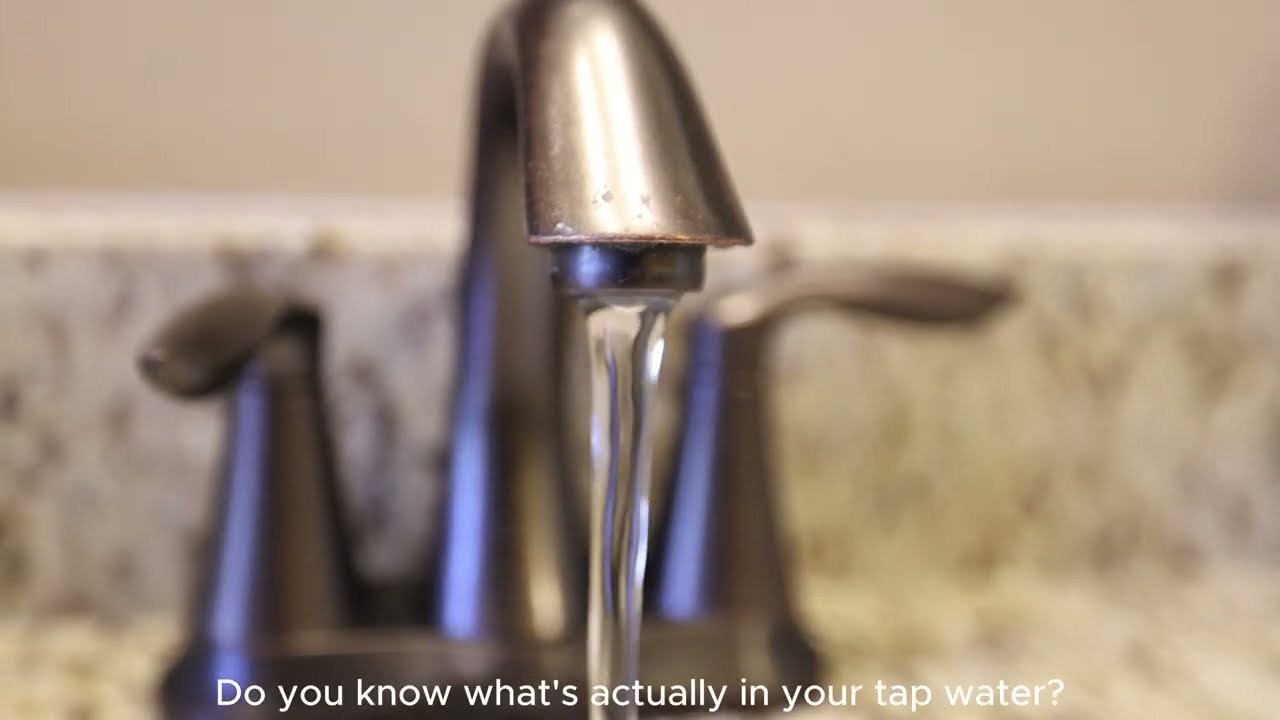
See WaterScore in action

A quick look at how WaterScore helps you understand what's in your suburb's tap water.

Why check your tap water quality?

Australian tap water is generally safe, but quality varies significantly between suburbs. Knowing what's in your water helps you make better decisions for your household.

Protect your family's health

Some suburbs have elevated levels of chlorine, fluoride, or hardness minerals. Understanding your local water profile helps you decide whether a filter is worthwhile — especially for young children, pregnant women, or anyone with sensitivities.

Save money on appliances

Hard water causes limescale buildup in kettles, hot water systems, and dishwashers — shortening their lifespan. In high-hardness areas like Adelaide and parts of Perth, knowing your water hardness level can save you hundreds of dollars in repairs and replacements.

Make informed filter choices

Not every suburb needs the same filter. A reverse osmosis system might be overkill for Melbourne's soft water, while a simple carbon filter won't solve Adelaide's hardness problem. We help you match the right solution to your actual water quality.

Water utilities publish annual drinking water quality reports, but they're often buried in dense PDFs full of technical jargon. WaterScore translates that data into plain-English scores so every Australian can understand what's flowing from their tap.

Match the filter to the water problem

Do not buy the same filter for every suburb. Start with the symptom you notice, then check your suburb data before choosing the fix.

As an Amazon Associate, WaterScore earns from qualifying purchases. We may also earn from other affiliate links on this page — this doesn't affect our recommendations.
Chlorine taste Sponsored
BRITA Marella 2.4L Fridge Water Filter Jug

Tap water smells like a pool?

Chlorine keeps water safe in the pipes, but it can leave a pool-like taste in tea, coffee, and every glass on the table.

A carbon jug is the simple fix: no plumbing, fast setup, and replacement cartridges are easy to find in Australia.

BRITA Our pick

Marella 2.4L Fridge Water Filter Jug

4.7 · 16,095 ratings on Amazon

Fix chlorine taste
Hard water Sponsored
iSpring RCC7AK 6-Stage Under-Sink Reverse Osmosis System

White scale in the kettle?

Hard water leaves mineral scale on kettles, coffee machines, shower glass, and heating elements. Boiling does not remove it.

For hard-water suburbs, reverse osmosis is the drinking-water fix that actually lowers dissolved minerals at the tap.

iSpring Our pick

RCC7AK 6-Stage Under-Sink RO

4.6 · 13,756 ratings on Amazon

Stop limescale
Fluoride removal Sponsored
ZeroWater 2.8L 5-Stage Water Filter Jug with TDS Meter

Trying to reduce fluoride?

Most basic carbon jugs are built for taste, not fluoride. Boiling water can concentrate fluoride rather than remove it.

Use a filter designed for dissolved ions, such as ZeroWater or reverse osmosis, when fluoride reduction is the goal.

ZeroWater Our pick

2.8L 5-Stage Jug with TDS Meter

4.2 · 5,315 ratings on Amazon

Reduce fluoride

Independent & unbiased

No utility sponsorship

50+ data sources

Official utility reports

Updated quarterly

Latest available data

Privacy-first

No tracking cookies

Browse by state

Explore tap water data for every state and territory

What we measure in your tap water

We track over 35 water quality parameters sourced from official utility reports. Here are the key indicators that affect your daily life.

Water Hardness

Measured in mg/L of calcium carbonate. Hard water causes scale buildup and affects soap lathering. Ranges from very soft (<60 mg/L) to very hard (>180 mg/L).

pH Level

The acidity or alkalinity of your water. The ADWG recommends 6.5–8.5. Water outside this range can corrode pipes or taste unpleasant.

Fluoride

Added to most Australian water supplies for dental health. The target is typically 0.6–1.1 mg/L. Some areas have naturally higher or lower levels.

Chlorine

Used to disinfect water and keep it safe through the pipe network. Higher residual chlorine can affect taste and smell. Easily removed by carbon filters.

Total Dissolved Solids

TDS measures all dissolved minerals, salts, and metals. The ADWG guideline is below 600 mg/L. Higher TDS often indicates harder water.

Turbidity

A measure of water clarity. Low turbidity (<1 NTU) means clear, clean water. Spikes after heavy rain can indicate treatment challenges.

Iron & Manganese

These metals cause brown or black staining on fixtures. While not harmful at typical levels, they affect water appearance and taste.

Electrical Conductivity

Indicates the total ionic content of water. Higher conductivity typically correlates with higher mineral content and salinity levels.

Water quality rankings

Top 10 best and worst suburbs for tap water quality across Australia

Best water quality

# Suburb State Score
1 Oak Valley SA 9.8/10
2 Yunyarinyi SA 9.8/10
3 Bracknell TAS 9.8/10
4 Poatina TAS 9.8/10
5 Bronte Park TAS 9.8/10
6 Bradys Lake TAS 9.8/10
7 Flagstaff Gully TAS 9.8/10
8 Geilston Bay TAS 9.8/10
9 Lindisfarne TAS 9.8/10
10 Rose Bay TAS 9.8/10

Worst water quality

# Suburb State Score
1 Padthaway SA 7.4/10
2 Melrose SA 7.4/10
3 Wrattonbully SA 7.5/10
4 Wild Dog Valley SA 7.5/10
5 The Gap SA 7.5/10
6 Stewart Range SA 7.5/10
7 Spence SA 7.5/10
8 Moyhall SA 7.5/10
9 Mount Light SA 7.5/10
10 Marcollat SA 7.5/10

Frequently asked questions

Everything you need to know about Australian tap water quality

Is Australian tap water safe to drink?

Yes — Australian tap water is among the safest in the world. All public water supplies must meet the Australian Drinking Water Guidelines (ADWG) set by the NHMRC. However, water quality varies between regions. Some suburbs have harder water, higher chlorine levels, or older pipe infrastructure that can affect taste and mineral content. WaterScore helps you understand exactly what's in your local supply.

Where does WaterScore get its data?

We source data directly from official annual drinking water quality reports published by over 50 water utilities across Australia — including Sydney Water, Melbourne Water, SA Water, and Water Corporation. These reports are required by state health regulators and contain lab-tested measurements of dozens of water quality parameters.

What does the WaterScore rating mean?

Each suburb receives a score from 0 to 10 based on how its water quality compares to the ADWG guidelines. A score of 8–10 means excellent water quality with all parameters well within guidelines. Scores of 5–7 indicate acceptable quality with some parameters approaching limits. Below 5 means one or more parameters may exceed recommended levels. The score weighs health-related parameters more heavily than aesthetic ones.

Do I need a water filter in Australia?

It depends on your suburb. Most Australian tap water is perfectly safe to drink unfiltered. However, a filter can improve taste by removing chlorine, reduce hardness minerals in areas like Adelaide or regional WA, and provide extra peace of mind for families with young children. Search your suburb on WaterScore to see whether a filter is recommended based on your actual local water data.

Why does water quality differ between suburbs?

Water quality varies due to the source (dam, river, groundwater, or desalination), the treatment process used, the distance water travels through pipes, and local geology. For example, Melbourne draws from protected mountain catchments and has some of Australia's softest water, while Adelaide relies on the River Murray and groundwater, resulting in harder, more mineral-rich water. Even within the same city, different suburbs may be served by different treatment plants.

How often is WaterScore data updated?

We update our data quarterly as water utilities publish new reports. Most utilities release comprehensive annual reports, with some providing quarterly or monthly updates. Each suburb page shows when its data was last refreshed so you always know how current the information is.

Find out what's in your tap water

Search any of 15,000+ Australian suburbs to see a detailed breakdown of your local water quality — free, independent, and updated quarterly.

Disclaimer: WaterScore provides general information about tap water quality for educational purposes only. This website does not provide medical advice, health recommendations, or professional guidance. Data is sourced from publicly available water utility reports and may not reflect current conditions at your tap. Water quality can vary due to local plumbing, seasonal changes, and other factors not captured in utility-level reporting. Always consult your local water utility or a qualified health professional for concerns about your drinking water. See our Terms of Use.