Best Water Filter Australia (2026): Top Picks for Tap Water
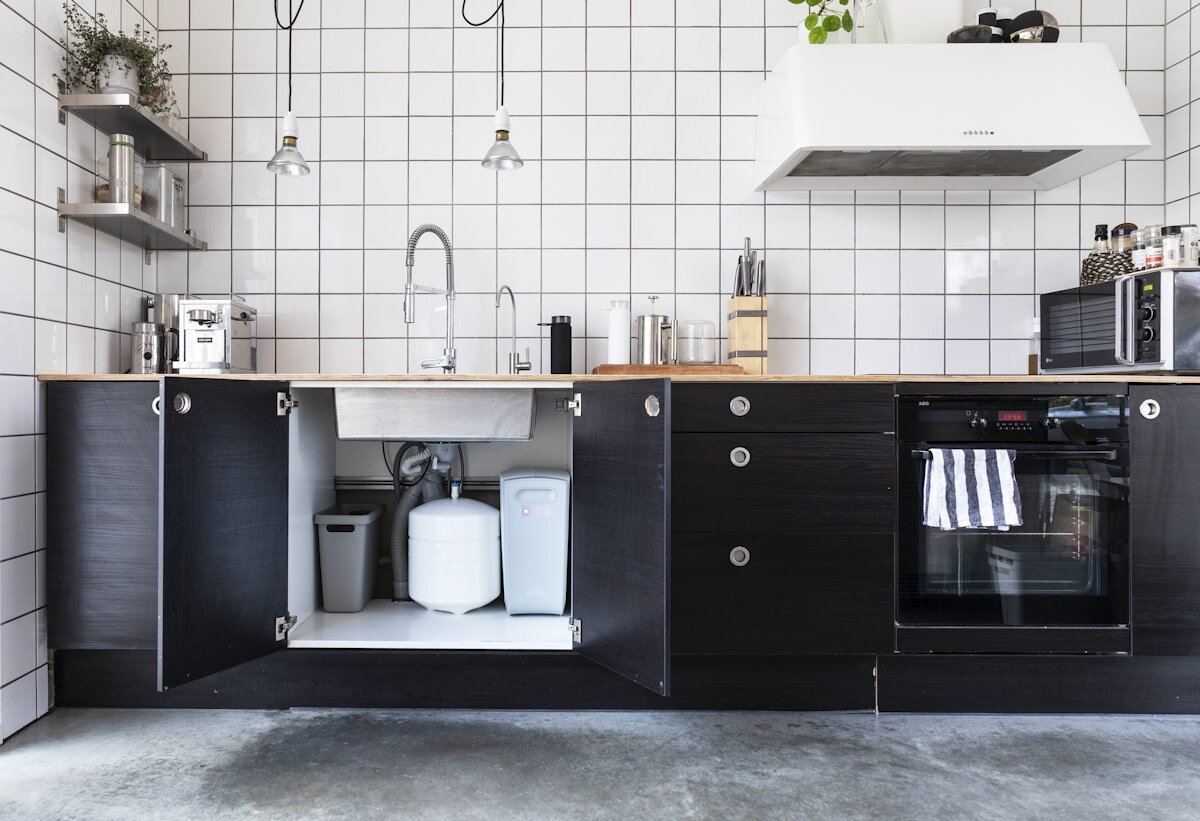
Australian tap water is among the safest in the world. But water quality varies by suburb more than most people realise. Hardness in Adelaide averages 97 mg/L, while Melbourne sits at a soft 30 mg/L. Chlorine levels range from barely detectable to 4.0 mg/L in parts of the Northern Territory. If you are searching for the best water filter in Australia, the answer depends on what is actually in your tap water.
This guide ranks six filters you can buy in Australia today, then explains the six filter technologies behind them and matches each to the water problem it solves. We use measured data from water utilities across Australia to show which cities and suburbs benefit most from filtration. If you are timing the purchase, our water filter deals page tracks the Prime Big Deal Days, Black Friday and Boxing Day sales and which cartridges to stock.
Our top picks at a glance
| Pick | Product | Best for | Price tier | Amazon AU rating |
|---|---|---|---|---|
| Best overall | iSpring RCC7AK 6-stage under-sink RO | Hard water, PFAS, fluoride | Premium | 4.6 ★ (13,756 ratings) |
| Best under-sink without RO | Waterdrop TSA fluoride and PFAS filter | Soft-water cities wanting more than taste | Mid-range | 4.4 ★ (2,237 ratings) |
| Best jug | BRITA Marella 2.4L (Maxtra+) | Chlorine taste in Sydney and Melbourne | Budget-friendly | 4.7 ★ (16,095 ratings) |
| Best jug for PFAS and fluoride | ZeroWater 2.8L 5-stage jug | RO-level results with no plumbing | Budget-friendly | 4.2 ★ (5,315 ratings) |
| Best for renters | Purewell 8.5L stainless gravity system | No plumbing, tank water, off-grid | Mid-range | 4.4 ★ (1,137 ratings) |
| Best for limescale | AO Smith salt-free whole-house descaler | Protecting hot water systems and appliances | Premium | 4.3 ★ (1,517 ratings) |
Ratings are Amazon Australia figures as at August 2026. Price tiers are a guide only; check the listing for the current price. Detailed reviews of each pick follow the data section below.
What Is Actually in Australian Tap Water?
Before choosing a filter, it helps to know what you are filtering. Australian water utilities test for dozens of parameters and publish the results. Here is how the major cities compare on the values that matter most for filtration decisions.
| Parameter | Sydney | Melbourne | Adelaide | Brisbane | Perth | ADWG Guideline |
|---|---|---|---|---|---|---|
| Hardness (mg/L) | 28–58 | 8–108 | 87–602 | 34–115 | 14–373 | 200 (aesthetic) |
| Free chlorine (mg/L) | 0.04–1.73 | 0.00–1.02 | 0.10–2.20 | 0.40–1.70 | Not published | 5 (health) |
| TDS (mg/L) | 46–158 | — | 25–976 | — | 44–1,371 | 600 (aesthetic) |
| Fluoride (mg/L) | 0.79–1.05 | 0.03–0.85 | 0.10–1.20 | 0.81–0.85 | 0.10–0.90 | 1.5 (health) |
A few things stand out. Adelaide and regional South Australia have the widest hardness range in the country. Suburbs like Padthaway (602 mg/L) and Geranium (575 mg/L) record hardness more than three times the ADWG aesthetic guideline of 200 mg/L. Perth’s outer regions also exceed the guideline, with the Great Southern zone reaching 373 mg/L. By contrast, Sydney, Melbourne, and Canberra have consistently soft water under 60 mg/L.
Chlorine and chloramine are present in all Australian tap water as disinfectants. Brisbane and South East Queensland have the highest combined chlorine levels nationally, with monochloramine averaging 2.80 mg/L against the ADWG guideline of 3 mg/L. Darwin shows the widest range at 0.00–4.00 mg/L free chlorine. All readings remain within ADWG health guidelines, but the taste and odour can be noticeable.
For a deeper look at chlorine levels by city, see our analysis of chlorine in Australian tap water.
Best Water Filters in Australia: Our Top Picks Reviewed
We chose these six from the products WaterScore already recommends on its suburb filter pages. Each one is available on Amazon Australia with a large enough rating count to mean something, and each solves a water problem that shows up in the utility data. These are not hands-on lab tests. They are matches between a product’s design and the measured water it will be treating.
1. Best overall: iSpring RCC7AK 6-stage under-sink reverse osmosis
Premium · 4.6 ★ from 13,756 Amazon AU ratings
The RCC7AK runs water through a sediment pre-filter, two carbon stages, the RO membrane, a carbon polish, and a final alkaline stage that puts some calcium and magnesium back so the water does not taste flat. The membrane reduces dissolved solids by up to 99%, which takes hardness minerals, fluoride, lead, and PFAS out in one pass.
It suits anyone on hard or high-TDS water. That means metro Adelaide (87–136 mg/L), regional South Australia, Perth’s northern and outer suburbs, and the remote Northern Territory towns where hardness passes 400 mg/L. It also suits households in soft-water cities that want fluoride and PFAS reduction from a single install.
The trade-offs are the usual RO ones. It needs a plumber or a confident DIYer, the storage tank takes up cupboard space, and two to four litres go to drain for every litre filtered. Pre-filters are due about once a year and the membrane every two to three years.
See the iSpring RCC7AK on Amazon
2. Best under-sink without RO: Waterdrop TSA fluoride and PFAS filter
Mid-range · 4.4 ★ from 2,237 Amazon AU ratings
The TSA is a compact under-sink system with no storage tank and no waste water. Waterdrop’s own test data claims reduction of fluoride, PFAS, chlorine, and lead through its multi-layer cartridge. It connects to the existing cold line, so installation is a spanner job rather than a plumbing job.
It is the pick for soft-water cities where hardness is not the problem, so RO’s waste water and tank are not worth it. Sydney, Melbourne, Brisbane, Hobart, and Canberra all fit. If you want fluoride reduction on top of chlorine taste, this is the cheaper and simpler route.
It does not reduce hardness or TDS in any meaningful way. Adelaide and outer Perth households should go straight to the RO pick above.
See the Waterdrop TSA on Amazon
3. Best jug: BRITA Marella 2.4L with Maxtra+ cartridges
Budget-friendly · 4.7 ★ from 16,095 Amazon AU ratings
The Marella fits a fridge door and takes the Maxtra+ cartridge sold in every Coles and Woolworths. Our Coles water filter jug guide compares the Brita and Philips cartridges the supermarkets sell. The cartridge reduces chlorine taste and odour, some of the carbonate hardness that forms kettle scale, and trace copper and lead.
This is all most Sydney, Melbourne, Hobart, and Canberra households need. The water in those cities is soft and well within every ADWG guideline. The only common complaint is chlorine, and a jug fixes that for under $100 with a cartridge change roughly every four weeks.
It does not touch fluoride or PFAS, and the hardness change is minor. In Brisbane, where monochloramine averages 2.80 mg/L, expect the cartridge to work harder and taste to return sooner.
See the BRITA Marella on Amazon
4. Best jug for PFAS and fluoride: ZeroWater 2.8L 5-stage jug
Budget-friendly · 4.2 ★ from 5,315 Amazon AU ratings
ZeroWater’s five-stage cartridge uses ion exchange to strip dissolved solids to near zero, and the jug ships with a TDS meter so you can watch it happen. The listing carries IAPMO certification for lead, PFAS, and fluoride reduction. For a jug, that is RO-level chemistry.
It suits renters and anyone who wants fluoride or PFAS reduction without touching the plumbing. In soft-water cities the cartridge lasts well because there is little TDS to remove.
The catch is the flip side of that strength. Because it removes everything, cartridge life collapses in hard water. On Adelaide or outer Perth supply, expect a fraction of the rated litres per cartridge, and the running cost climbs quickly. Some people also find fully demineralised water tastes flat.
See the ZeroWater jug on Amazon
5. Best for renters and off-grid: Purewell 8.5L stainless steel gravity system
Mid-range · 4.4 ★ from 1,137 Amazon AU ratings
A two-chamber stainless bench unit. Water drips from the top chamber through the filter elements into the bottom one, with no plumbing and no power. The 8.5 L capacity covers a family’s drinking water for a day. The elements are the standard gravity type: a ceramic outer shell that blocks sediment, bacteria, and cysts, with an activated carbon core for chlorine taste. Check the element specification on the listing before relying on it for untreated water.
It suits renters who cannot modify the kitchen, and rural properties on tank or bore water where microbial protection matters more than chemistry. Our guide to the best water filter for renters in Australia covers the no-plumbing options in more depth.
It is slow, at a couple of litres an hour, it takes bench space, and the elements need scrubbing. It does not reduce hardness.
See the Purewell gravity system on Amazon
6. Best for limescale: AO Smith salt-free whole-house descaler
Premium · 4.3 ★ from 1,517 Amazon AU ratings
An inline whole-house unit that conditions hardness minerals so they stay suspended instead of sticking to heating elements and glass. No salt, no electricity, no drain line. It is rated for about 2.3 million litres or six years before the media needs replacing.
It suits households on water above 120 mg/L who want to protect the hot water system, shower screens, and appliances across the whole house rather than just the kitchen tap. That is the metro Adelaide, regional SA, and northern Perth profile again. Our hardest water suburbs list shows where it matters most.
Be clear about what it is not. It does not soften water. The hardness reading stays the same, soap still lathers less, and a water hardness calculator will show no change. It reduces scale deposits; it does not remove calcium and magnesium. If you want soft water at every tap, an ion-exchange softener is the tool, at a higher price and with salt to manage. It needs a plumber to fit.
See the AO Smith descaler on Amazon
Six Water Filter Types for Australian Homes
Each filter technology targets different contaminants. Here is what each type does and where it fits.
Activated carbon
Carbon filters are the most popular choice in Australia. They use activated carbon (usually from coconut shell) to adsorb chlorine, chloramine, volatile organic compounds, and some pesticides. Available as benchtop jugs, under-sink units, and fridge-compatible cartridges.
Best for: Chlorine taste and odour, improving the flavour of already-safe mains water. A carbon filter is all most Sydney and Melbourne households need.
Limitations: Does not reduce hardness, TDS, or dissolved minerals. Standard carbon blocks do not remove fluoride.
Reverse osmosis
Reverse osmosis (RO) systems push water through a semi-permeable membrane that removes up to 99% of dissolved solids, including hardness minerals, sodium, lead, PFAS, and fluoride. Most under-sink RO units include a carbon pre-filter and a sediment filter.
Best for: Hard water areas (Adelaide, regional SA, Perth outer suburbs), high-TDS water, and households concerned about contaminants like PFAS or trihalomethanes.
Limitations: Wastes two to four litres of water for every litre filtered. Removes beneficial minerals, though some units include a remineralisation stage. Higher upfront and running costs than carbon filters.
Ceramic
Ceramic filters use a porous ceramic element (typically 0.2–0.5 micron) to physically block bacteria, cysts, and sediment. Often combined with an activated carbon core for chemical contaminant reduction.
Best for: Tank water or bore water where bacterial contamination is a concern. Useful in rural and remote Australian properties not connected to mains supply.
Limitations: Does not remove dissolved chemicals, chlorine, or hardness on its own. The ceramic element requires periodic scrubbing or replacement.
UV (ultraviolet)
UV systems expose water to ultraviolet light at 254 nm wavelength, which inactivates bacteria, viruses, and protozoa by damaging their DNA. UV does not add chemicals and does not change the water’s taste.
Best for: Rainwater tanks, bore water, and properties with untreated or partially treated water supplies. Common in rural and regional Australia.
Limitations: Only targets microorganisms. Does not remove chemicals, hardness, chlorine, or dissolved solids. Requires a pre-filter to remove sediment, since particles can shield bacteria from UV light. The lamp needs annual replacement.
Gravity-fed
Gravity-fed filters use the weight of the water to push it through one or more filter elements, typically ceramic, carbon, or a combination. No plumbing or electricity required. Popular benchtop models hold 5 to 15 litres.
Best for: Renters, camping, emergency preparedness, or anyone who wants filtered water without installation. Works off-grid.
Limitations: Slow flow rate (one to three litres per hour depending on the model). Limited capacity. Not suitable as a whole-house solution.
Inline
Inline filters connect directly to a water line, usually the cold water supply under the kitchen sink or behind a fridge. They are single-cartridge systems, typically activated carbon, that treat water at the point of use.
Best for: Quick, affordable filtration for a single tap. Popular for connecting to a dedicated drinking water tap or fridge water dispenser.
Limitations: Limited filter life compared to multi-stage systems. Treats one outlet only. Does not address hardness or TDS.
Filter Comparison: What They Remove, Cost, and Maintenance
This table compares the six filter types across the factors that matter most when choosing the best water filter in Australia.
| Filter Type | Chlorine | Hardness | Fluoride | PFAS | Bacteria | Upfront Cost | Annual Cost | Cartridge Life |
|---|---|---|---|---|---|---|---|---|
| Activated carbon | Yes | No | No | Some | No | $30–$400 | $40–$120 | 3–12 months |
| Reverse osmosis | Yes | Yes | Yes | Yes | Yes | $300–$800 | $100–$200 | 6–24 months |
| Ceramic | No | No | No | No | Yes | $100–$300 | $30–$60 | 6–12 months |
| UV | No | No | No | No | Yes | $200–$500 | $50–$100 | Lamp: 12 months |
| Gravity-fed | Yes | No | Some | Some | Yes | $200–$500 | $50–$100 | 6–12 months |
| Inline | Yes | No | No | Some | No | $50–$150 | $40–$80 | 3–6 months |
Carbon filters offer the best value for most Australian households on mains water. RO systems cost more but handle a wider range of contaminants, making them the stronger choice for hard water areas or where PFAS is a concern.
Which Filter Suits Your Water Problem?
Chlorine taste and odour
If your main complaint is a swimming-pool taste, a carbon filter is the simplest fix. This applies to most of Sydney, Melbourne, Brisbane, and Hobart, where water is soft and clean but carries residual chlorine from treatment. A benchtop jug or inline filter costs under $100 and removes more than 95% of free chlorine.
Brisbane households should choose a carbon filter rated for chloramine removal. South East Queensland uses monochloramine at levels averaging 2.80 mg/L, the highest nationally. Standard carbon reduces chloramine, but catalytic carbon is more effective.
Hard water and limescale
Hard water above 120 mg/L causes limescale on kettles, shower screens, and hot water systems. Above 200 mg/L, the buildup accelerates. Adelaide’s metro supply ranges from 87 to 136 mg/L (moderate), but regional SA suburbs exceed 400 mg/L. See why Adelaide has Australia’s hardest water for the full picture.
For drinking water, a benchtop or under-sink RO system removes hardness minerals effectively. For whole-house limescale protection, an ion-exchange water softener is the standard solution. Our guide to hard water vs soft water covers the differences in detail.
PFAS and chemical contaminants
PFAS (per- and polyfluoroalkyl substances) are detectable in some water supplies, particularly in areas near airports or defence sites. Current readings in the WaterScore database show all tested suburbs well below ADWG guidelines (max 22% of the PFOS+PFHxS limit). If you want extra protection, an RO system or a carbon block filter certified to NSF/ANSI 53 removes PFAS effectively.
Bacteria and microorganisms
If your property relies on rainwater tanks or a bore, UV disinfection or a ceramic filter provides protection against bacteria, including E. coli, and protozoa. Mains-supplied water in Australian cities is already disinfected and does not require additional microbial treatment.
Best Water Filter Recommendations by Australian City
Your city’s water profile determines which filter makes the most sense. Here are recommendations based on measured utility data.
| City | Water Profile | Recommended Filter | Why |
|---|---|---|---|
| Sydney | Soft (28–58 mg/L), moderate chlorine | Carbon (under-sink or inline) | Soft water, no hardness issues. Carbon handles chlorine taste. Check your Sydney suburb |
| Melbourne | Very soft (8–108 mg/L), low chlorine | Carbon (jug or inline) | Australia’s softest metro water. Minimal filtration needed. Check your Melbourne suburb |
| Adelaide | Moderate to hard (87–602 mg/L) | RO for drinking; softener for whole house | Hardness is the main issue. Metro is moderate; regional SA is extreme. Check your Adelaide suburb |
| Brisbane | Moderate (34–115 mg/L), high chloramine | Carbon rated for chloramine | Highest chloramine levels in Australia. Choose a filter that targets chloramine specifically. |
| Perth | Variable (14–373 mg/L), high TDS in outer regions | Carbon for metro; RO for outer suburbs | Metro Perth is moderate; Great Southern and Mid West regions need RO for high TDS. Check your Perth suburb |
| Hobart | Soft (6–153 mg/L), low chlorine | Carbon if desired | Clean, soft water from TasWater. Filtration is optional for taste preference. |
| Darwin | Variable (0–549 mg/L), wide chlorine range | RO for remote; carbon for Darwin CBD | Remote NT towns have extremely hard water. Darwin city is moderate. |
| Canberra | Soft (36–39 mg/L), consistent quality | Carbon if desired | Very consistent, soft water from Icon Water. Most households can skip filtration. |
For suburb-specific filter recommendations based on your actual water readings, use the water hardness calculator or search your suburb on WaterScore.
What You Can Do
-
Check your suburb’s water quality. Search your suburb on WaterScore to see actual measured values for hardness, chlorine, TDS, and other parameters. This tells you whether you need a filter and what type.
-
Match the filter to the problem. If your hardness is under 60 mg/L and chlorine under 0.5 mg/L, you may not need a filter at all. If hardness exceeds 120 mg/L or you dislike the chlorine taste, choose accordingly from the comparison table above.
-
Look for Australian certification. Filters sold in Australia should comply with AS/NZS 4348. Look for WaterMark certification for plumbed-in systems and NSF/ANSI 42 (taste and odour) or NSF/ANSI 53 (health contaminants) ratings on the cartridge.
-
Budget for ongoing costs. The purchase price is only the start. Factor in replacement cartridges, which typically cost $40 to $200 per year depending on the filter type. An RO system’s annual running cost is roughly double that of a carbon filter.
-
Contact your water utility. If you have questions about your water, your utility publishes annual water quality reports. Find yours on our water utility directory or check Sydney Water, SA Water, or your local provider directly.
Frequently Asked Questions
What is the best water filter for Australian tap water?
For most Australian households on mains water, an activated carbon filter (under-sink or benchtop) is the best starting point. It removes chlorine taste and odour, which is the most common complaint. If you live in a hard water area like Adelaide or regional SA, a reverse osmosis system handles both hardness and chemical contaminants. The right choice depends on your suburb’s specific water quality.
Do I need a water filter if my tap water meets ADWG guidelines?
Not necessarily. The Australian Drinking Water Guidelines set safe limits, and Australian tap water consistently meets them. A filter is a personal preference rather than a safety requirement for mains water. Common reasons to filter include improving taste, reducing chlorine odour, lowering hardness for appliance protection, or removing fluoride. If your suburb’s readings are well within guidelines, filtration is optional.
What type of water filter removes hard water minerals?
Reverse osmosis is the most effective point-of-use filter for reducing hardness in drinking water. An RO system removes calcium and magnesium ions that cause limescale. For whole-house hard water treatment (showers, laundry, hot water systems), an ion-exchange water softener is the standard solution. Standard carbon filters and ceramic filters do not reduce hardness.
Does a carbon filter remove fluoride from tap water?
No. Standard activated carbon filters do not remove fluoride. If you want to reduce fluoride, you need a reverse osmosis system, an activated alumina filter, or a bone char carbon filter. These options reduce fluoride by 90% or more. Australian tap water fluoride levels (0.6–1.0 mg/L in most cities) are well within the ADWG health guideline of 1.5 mg/L.
How often should I replace my water filter cartridge?
It depends on the filter type and your water quality. Carbon jug filters typically last one to three months. Under-sink carbon cartridges last six to twelve months. RO membranes last twelve to twenty-four months, though the pre-filters need replacing every six to twelve months. Harder or more sediment-heavy water shortens cartridge life. Follow the manufacturer’s schedule and replace earlier if you notice reduced flow rate or a return of chlorine taste.
What is the best water filter for hard water in Australia?
For drinking water, an under-sink reverse osmosis system such as the iSpring RCC7AK removes the calcium and magnesium that cause limescale. For the whole house, a salt-free descaler reduces scale on hot water systems and shower screens but does not lower the hardness reading. Hardness above 120 mg/L is where these start to pay for themselves, which covers metro Adelaide, regional SA, and Perth’s northern suburbs. Our Adelaide water hardness guide lists the readings suburb by suburb.
What is the best water filter for chlorine taste?
An activated carbon filter. A fridge jug such as the BRITA Marella removes most chlorine taste and odour for under $100. An under-sink carbon system does the same for a dedicated tap. Brisbane and South East Queensland use monochloramine, which standard carbon reduces more slowly, so look for a cartridge rated for chloramine there.
Is a jug filter enough for Sydney or Melbourne water?
For most households, yes. Sydney’s hardness sits between 28 and 58 mg/L and Melbourne’s between 8 and 108 mg/L, so there is no limescale problem to solve. Chlorine taste is the only common complaint, and a carbon jug handles it. If you also want fluoride or PFAS reduction, step up to a ZeroWater jug or an under-sink system. See the Sydney and Melbourne filter pages for suburb-level readings.
Summary
The best water filter for your Australian home depends on what is in your water, and that varies by suburb. Soft-water cities like Sydney, Melbourne, and Canberra need nothing more than a carbon filter for chlorine taste. Hard-water regions in SA, WA, and the NT benefit from reverse osmosis or a dedicated water softener. Ceramic and UV filters suit rural properties on tank or bore water.
Check your suburb’s water quality on WaterScore, compare it against the ADWG guidelines, and match the filter type to your actual water profile. For the hardest water suburbs in Australia, see our ranked list. The best water filter in Australia is the one that targets your specific water quality issue, not the most expensive option on the shelf.
Sources
- National Health and Medical Research Council, Australian Drinking Water Guidelines 6, Version 3.9, NHMRC, Canberra, 2024. nhmrc.gov.au
- SA Water, Water Quality Performance Results November 2025, SA Water, Adelaide, 2025.
- Sydney Water, Water Quality Report 2024–25, Sydney Water Corporation, Sydney, 2025. sydneywater.com.au
- Melbourne Water, Annual Water Quality Report 2024–25, Melbourne Water, Melbourne, 2025. melbournewater.com.au
- Standards Australia, AS/NZS 4348: Water Supply — Domestic type water treatment appliances, Standards Australia, Sydney, 2024.
- CHOICE, Do You Need a Tap Water Filter in Australia?, CHOICE Reviews, 2025. choice.com.au
Recommended filters for this topic
Hand-picked Amazon products relevant to this article.

Philips
Water Filter Jug 3.4L (X-Clean)
3.5 · 6 ratings on Amazon
Budget pick — ideal for chlorine, taste, and general soft-water areas.

Waterdrop
TSA Under-Sink Filter (Fluoride + PFAS)
4.4 · 2,237 ratings on Amazon
Best for fluoride + PFAS removal — NSF/ANSI 42 certified.

Waterdrop
WD-C1H Countertop RO (Hot & Ambient)
4.4 · 32 ratings on Amazon
Top pick for hard-water cities — removes 90%+ of dissolved minerals.

Berkey
Travel Water Filter (2× Black Elements)
4.5 · 3,034 ratings on Amazon
Gravity-fed — no plumbing, great for renters and travel.
Disclaimer: This article is for general informational purposes only and does not constitute medical advice, health recommendations, or professional guidance of any kind. Data referenced may not reflect current water conditions. For specific concerns about your drinking water, consult your local water utility, a licensed water testing laboratory, or a health professional. See our Terms of Use.
Written by

Water Infrastructure Analyst
Civil engineer and former SA Water/Melbourne Water analyst specialising in comparative water quality.
What You Can Do
Check the water quality in your area and find the right filter for your needs.
Sponsored Amazon link. Check Amazon for current price and availability.
Related Articles
Water Filter Melbourne: Do You Need One and Which Is Best?
Do you need a water filter in Melbourne? We break down hardness by zone, chlorine vs chloramine suburbs, and the best water filter for Melbourne tap water.
Best Water Filter for Renters in Australia (No Plumbing)
Best water filter for renters in Australia: jug, tap-mounted, benchtop and gravity options with no plumber or landlord consent, matched to your city's water.
Reverse Osmosis vs Carbon Filters: Which Is Right for You?
Reverse osmosis vs carbon filter: compare cost, contaminant removal, maintenance, and water waste to find the right filter for your Australian tap water.