Chlorine in Australian Tap Water: Should You Filter It?
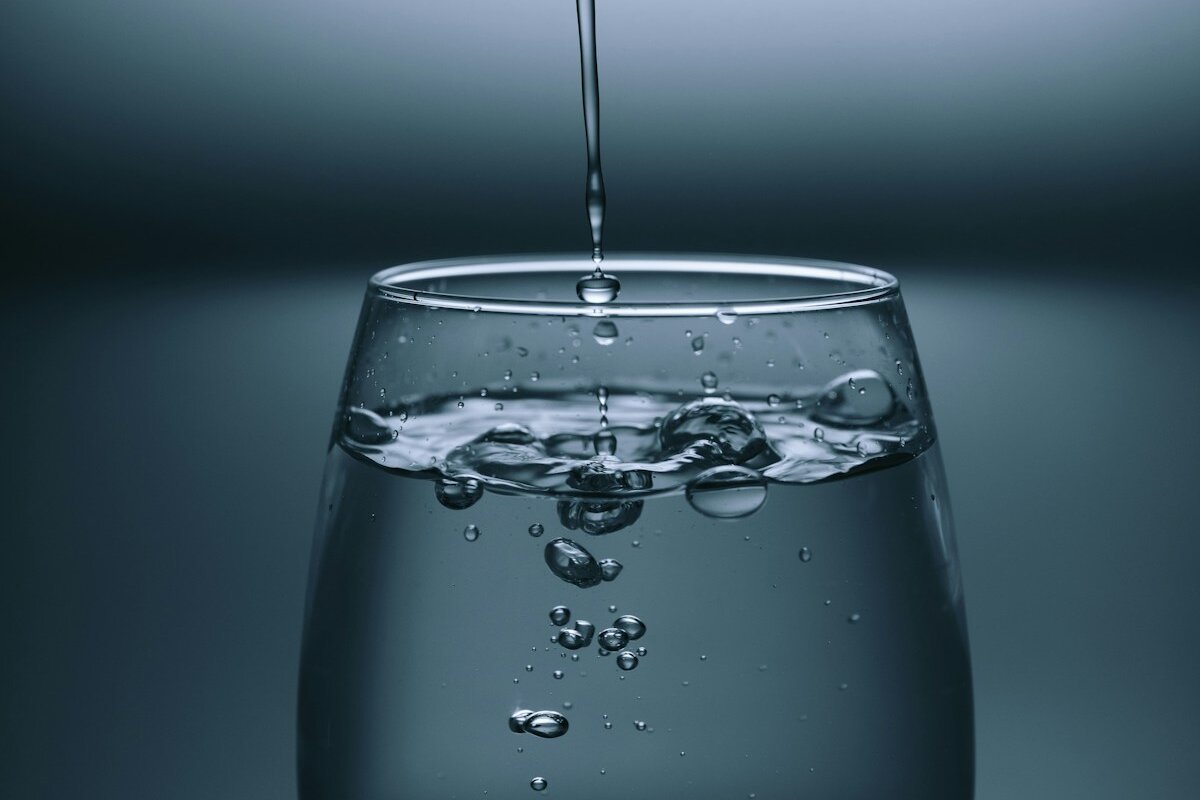
If you have ever filled a glass from the kitchen tap and noticed a swimming-pool smell, you are not alone. Chlorine in tap water is one of the most common water quality concerns raised by Australians, and “chlorine in tap water Australia” is a consistently popular search. The good news is that the chlorine in your drinking water is there for a reason, and at the levels used by Australian utilities, it is safe.
But how much chlorine is actually in your water? Does it vary between cities? And is filtering it out worth the cost? Below, we use real water quality data from utilities across Australia to answer these questions.
Why Australian Utilities Add Chlorine to Tap Water
Every public water supply in Australia uses some form of chemical disinfection, and chlorine is the most common choice. Without it, harmful bacteria such as E. coli and other pathogens could survive in the pipe network between the treatment plant and your tap.
The Australian Drinking Water Guidelines (ADWG), published by the NHMRC, set a health guideline value of 5 mg/L for free chlorine in drinking water. This is deliberately conservative. Most Australian utilities dose chlorine well below 1 mg/L at the point of consumption, which is a fraction of the safe limit.
Chlorination transformed public health in the 20th century. Before routine water disinfection, waterborne diseases such as cholera and typhoid were common causes of illness and death. Today, the World Health Organization considers water chlorination one of the most significant public health advances in history.
Chlorine vs Chloramine: What Is the Difference?
Australian utilities use two main types of disinfectant, and understanding the difference helps explain why your water may taste or smell different from a friend’s tap across town.
Free chlorine
Free chlorine is the traditional disinfectant. It is highly effective at killing bacteria and viruses and works quickly. The trade-off is that it breaks down faster in the pipe network, so it works best in areas with shorter distribution systems or closer to treatment plants. Free chlorine has a more noticeable taste and smell, which is the “swimming pool” odour some people detect.
The ADWG health guideline for free chlorine is 5 mg/L. Typical levels in Australian tap water range from 0.1 to 2.2 mg/L, well below that limit.
Chloramine (monochloramine)
Chloramine is formed by combining chlorine with a small amount of ammonia. The result is a more stable disinfectant that lasts longer as water travels through kilometres of pipes to reach outer suburbs. It produces less taste and odour than free chlorine, making it popular for larger distribution networks.
The ADWG sets a separate guideline of 3 mg/L for monochloramine. Several major utilities, including Sydney Water and Seqwater in South East Queensland, use chloramine in parts of their networks where water travels longer distances.
The key practical difference for consumers is that chloramine does not dissipate from water as easily as free chlorine. Leaving a jug of water in the fridge overnight will reduce free chlorine, but it has little effect on chloramine. A carbon filter handles both.
Chlorine Levels Across Australian Capital Cities
How much chlorine is actually in Australian tap water? We analysed water quality data from major utilities across the country. The table below shows average free chlorine levels, the range across supply zones, and how they compare to the ADWG limit of 5 mg/L.
| City | Utility | Avg Free Chlorine | Range | % of ADWG Limit | Disinfectant Type |
|---|---|---|---|---|---|
| Sydney | Sydney Water | 0.66 mg/L | 0.04–1.73 | 13% | Chlorine + chloramine |
| Melbourne | Yarra Valley Water, South East Water, Greater Western Water | 0.57 mg/L | 0.001–1.02 | 11% | Free chlorine |
| Adelaide | SA Water | 0.79 mg/L | 0.10–2.20 | 16% | Chlorine (some zones chloramine) |
| Brisbane/SEQ | Seqwater | 1.20 mg/L | 0.40–1.70 | 24% | Chlorine + chloramine |
| Canberra | Icon Water | 0.83 mg/L | 0.62–1.08 | 17% | Free chlorine |
| Hobart | TasWater | 0.86 mg/L | 0.41–1.25 | 17% | Free chlorine |
| Darwin | Power and Water | 1.04 mg/L | 0.00–4.00 | 21% | Free chlorine |
Data sourced from WaterScore’s database of utility water quality reports, 2024–25 reporting period.
No city comes close to the ADWG limit. The highest average belongs to Brisbane/SEQ at 1.20 mg/L, which is still just 24% of the guideline. Darwin shows the widest range (0.00 to 4.00 mg/L), reflecting the challenges of maintaining consistent disinfection across a tropical distribution network.
Melbourne records the lowest average free chlorine at 0.57 mg/L. Within Melbourne, Yarra Valley Water zones in the inner east average just 0.38 mg/L, while Greater Western Water zones in the western suburbs average 0.73 mg/L, reflecting the longer pipe runs to growth corridors.
Why Adelaide Has Higher Total Chlorine in Some Zones
Adelaide presents an interesting case. While free chlorine levels across metro Adelaide average 0.30 mg/L, some zones record much higher total chlorine readings. For example, the Summit zone (north-eastern Adelaide) shows free chlorine of just 0.10 mg/L but total chlorine of 3.90 mg/L. This gap indicates that SA Water uses chloramine in these zones, as chloramine registers in total chlorine measurements but not in free chlorine tests.
Regional SA Water zones such as Murray Bridge record the highest free chlorine levels at 2.20 mg/L, still well within the 5 mg/L ADWG limit but higher than what most capital city residents experience.
Trihalomethanes: The Chlorine Byproduct Worth Knowing About
When chlorine reacts with naturally occurring organic matter in the water, it can form disinfection byproducts called trihalomethanes (THMs). The ADWG sets a guideline of 0.25 mg/L for total THMs.
THMs are the main reason some health researchers have raised questions about chlorinated water. Long-term exposure to elevated THM levels has been associated with increased health risks in some epidemiological studies, though the concentrations found in Australian tap water are below the levels where most associations have been observed.
Here is how THM levels compare across cities with available data:
| City | Avg THMs (mg/L) | Range | % of ADWG Limit (0.25 mg/L) |
|---|---|---|---|
| Sydney | 0.084 | 0.030–0.138 | 34% |
| Melbourne | 0.057 | 0.018–0.162 | 23% |
| Canberra | 0.037 | 0.031–0.041 | 15% |
| Hobart/Tasmania | 0.048 | 0.002–0.141 | 19% |
| Perth | 0.043 | 0.001–0.141 | 17% |
Sydney records the highest average THM level at 0.084 mg/L (34% of the guideline), driven by zones like Orchard Hills where chlorine reacts with organic matter from the Warragamba catchment. Even this highest reading is well within safe limits.
Chloramine-treated water generally produces fewer THMs than water treated with free chlorine, which is one reason utilities choose chloramine for certain supply zones.
Does Chlorine in Tap Water Affect Your Health?
At the concentrations used in Australian drinking water, chlorine does not pose a health risk. The ADWG guideline of 5 mg/L includes a substantial safety margin, and most Australian tap water contains less than 1.5 mg/L.
Some people are more sensitive to chlorine taste and smell than others. This is a matter of personal perception rather than a safety concern. If the taste bothers you, there are practical steps you can take (see below).
For people with specific health conditions, such as those on kidney dialysis or those keeping fish tanks, chlorine and chloramine in water require special attention. Dialysis machines must use dechlorinated water, and both chlorine and chloramine are toxic to fish and aquatic life at tap water concentrations.
Should You Filter Chlorine Out of Your Tap Water?
This is where personal preference meets practicality. From a safety standpoint, you do not need to filter chlorine out of Australian tap water. The levels are safe for drinking, cooking, and bathing.
However, there are valid reasons to filter:
Taste and smell. If the chlorine taste bothers you, a carbon filter will remove it. This is the most common reason Australians install water filters.
Reducing THMs. Activated carbon filters also reduce trihalomethanes and other disinfection byproducts.
Aquarium and homebrew use. Chlorine and chloramine must be removed before use in fish tanks or home brewing. Carbon filtration or dedicated dechlorinators handle this effectively.
Skin and hair sensitivity. Some people report that filtered shower water improves dry skin or hair conditions, though clinical evidence for this is limited.
Which Filters Remove Chlorine?
Not all water filters are equal when it comes to chlorine removal:
- Activated carbon filters (benchtop jugs, under-sink, fridge filters): Effective against both chlorine and chloramine. The most practical choice for most households.
- Reverse osmosis (RO) systems: Remove chlorine along with a wide range of other contaminants including fluoride, lead, and TDS.
- Sediment filters: Do not remove chlorine. These only filter out physical particles.
- UV filters: Do not remove chlorine. These target microbial contaminants.
For suburb-specific filter recommendations, check our best water filter guides which match filter types to your local water profile.
What You Can Do
Whether or not you choose to filter, here are practical steps to manage chlorine in your tap water:
-
Let it breathe. Fill a glass jug and leave it in the fridge for an hour or two. Free chlorine dissipates naturally when exposed to air. This does not work for chloramine.
-
Use a carbon filter. A benchtop or under-sink carbon filter removes both chlorine and chloramine effectively. Replace cartridges according to the manufacturer’s schedule to maintain performance.
-
Run the tap before drinking. Water that has been sitting in your household pipes absorbs more chlorine taste from the residual disinfectant. Running the cold tap for 10 to 15 seconds flushes fresher water through.
-
Check your suburb’s chlorine levels. Look up your address on WaterScore to see which supply zone serves you and what the latest chlorine readings show. Suburbs closer to treatment plants typically have higher residual chlorine.
-
Use cold water for drinking. Hot water systems can concentrate dissolved substances and are more likely to leach metals from pipes and fittings. Always draw drinking water from the cold tap.
-
Contact your utility if something changes. A sudden increase in chlorine taste or smell may indicate planned pipe maintenance or a localised water quality event. Sydney Water, SA Water, and other utilities provide online alerts for works in your area.
Frequently Asked Questions
Is chlorine in tap water safe to drink in Australia?
Yes. Australian water utilities add chlorine or chloramine at levels well below the ADWG health guideline of 5 mg/L. Typical free chlorine levels across major cities range from 0.04 to 2.2 mg/L, which is a small fraction of the safe limit. The health benefits of disinfection in preventing waterborne disease far outweigh any concerns about chlorine at these concentrations.
What is the difference between chlorine and chloramine in tap water?
Free chlorine is a fast-acting disinfectant that dissipates relatively quickly. Chloramine (monochloramine) is formed by combining chlorine with ammonia. It lasts longer in the pipe network, making it useful for suburbs far from treatment plants. Both are safe at the levels used in Australian water supplies. Sydney, Brisbane, and parts of Adelaide use chloramine in zones with longer distribution networks.
Why does my tap water smell like chlorine?
The chlorine smell comes from residual free chlorine used to disinfect the water. It is more noticeable in areas closer to treatment plants or where free chlorine rather than chloramine is used. Filling a jug and refrigerating it for an hour allows the chlorine to dissipate naturally. A carbon filter also removes the taste and smell.
Does boiling water remove chlorine?
Yes. Boiling water for one to two minutes drives off free chlorine. However, boiling is less effective at removing chloramine, which requires a longer boil time of around 20 minutes or a carbon filter for practical removal. For everyday drinking water, a jug filter or under-sink carbon filter is more convenient than boiling.
What type of water filter removes chlorine in tap water Australia?
Activated carbon filters, including benchtop jugs, under-sink units, and fridge filters, effectively remove both chlorine and chloramine. Reverse osmosis systems also remove chlorine along with a broader range of contaminants. Standard sediment filters do not remove chlorine. Check our filter guide for recommendations matched to your water profile.
Summary
Chlorine in tap water Australia is a topic that concerns many households, but the data shows there is no safety issue. Every major Australian city maintains chlorine levels well below the ADWG guideline of 5 mg/L, with most averaging under 1 mg/L. Some utilities use chloramine instead of or alongside free chlorine to maintain disinfection across longer pipe networks, and trihalomethanes formed as byproducts remain within safe limits across all tested cities.
If the taste or smell bothers you, a simple carbon filter is the most practical solution. But from a health perspective, the chlorine in your Australian tap water is doing exactly what it should: keeping your drinking water free from harmful microorganisms.
For specific chlorine readings in your suburb, search your address on WaterScore or visit your utility’s water quality page.
Sources
- Australian Drinking Water Guidelines, NHMRC
- Drinking Water Quality Annual Report, Sydney Water
- Drinking Water Quality Data, SA Water
- Guidelines for Drinking-water Quality, World Health Organization
- Disinfection By-products in Drinking Water, NHMRC (Chapter 10)
- Water Quality Reports, Seqwater
- WaterScore City Water Quality Data, WaterScore
Recommended filters for this topic
Hand-picked Amazon products relevant to this article.

Philips
Water Filter Jug 3.4L (X-Clean)
3.5 · 6 ratings on Amazon
Budget pick — ideal for chlorine, taste, and general soft-water areas.

Waterdrop
TSA Under-Sink Filter (Fluoride + PFAS)
4.4 · 2,237 ratings on Amazon
Best for fluoride + PFAS removal — NSF/ANSI 42 certified.

Waterdrop
WD-C1H Countertop RO (Hot & Ambient)
4.4 · 32 ratings on Amazon
Top pick for hard-water cities — removes 90%+ of dissolved minerals.

Berkey
Travel Water Filter (2× Black Elements)
4.5 · 3,034 ratings on Amazon
Gravity-fed — no plumbing, great for renters and travel.
Disclaimer: This article is for general informational purposes only and does not constitute medical advice, health recommendations, or professional guidance of any kind. The health and safety information discussed should not be used as a substitute for consultation with qualified health professionals. Data referenced may not reflect current water conditions. For specific concerns about your drinking water, consult your local water utility, a licensed water testing laboratory, or a health professional. See our Terms of Use.
Written by

Environmental Health Writer
Science journalist covering water infrastructure and environmental health across Australia.
Reviewed by

Lead Water Quality Analyst
Environmental scientist and water quality researcher with a PhD from the University of Melbourne.
What You Can Do
Check the water quality in your area and find the right filter for your needs.
Sponsored Amazon link. Check Amazon for current price and availability.
Related Articles
Water Filter Sydney: Do You Need One and Which Is Best?
Looking for a water filter in Sydney? We break down what's actually in your tap water, chloramine vs chlorine zones, and the best filter for your suburb.
Does Boiling Water Remove Chlorine, Fluoride and Other Contaminants?
Does boiling water remove chlorine, fluoride, lead or PFAS? An Australian guide with what boiling does, what it doesn't, and what actually works.
Coles Water Filter Jugs: Are Brita and Philips Worth It?
Coles water filter jugs explained: what Brita Marella, Maxtra Pro and Philips cartridges really remove, cost per litre, and which Australian cities they suit.