Hard Water vs Soft Water: What's the Difference?
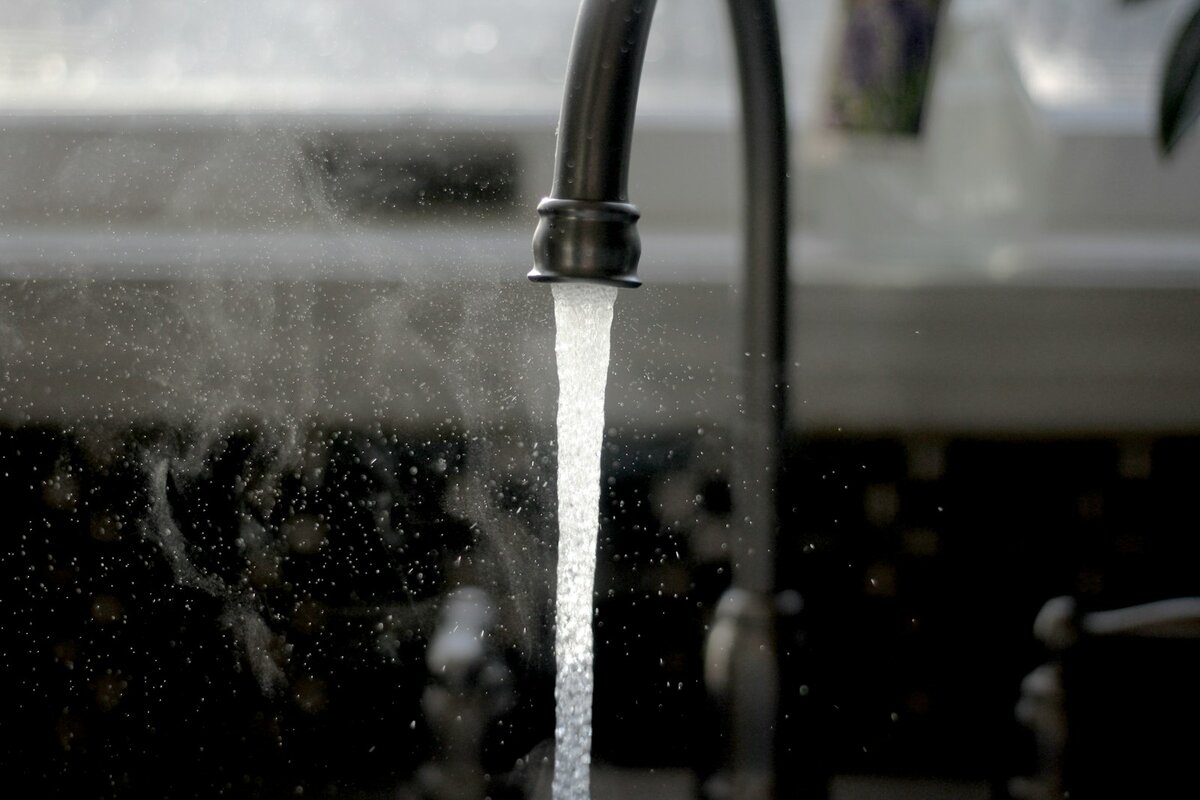
Filling your glass in Melbourne feels different to filling it in Adelaide. The water looks the same, but one leaves white residue on your kettle while the other doesn’t. The reason is hard water vs soft water, and in Australia the gap between cities is dramatic. Melbourne’s tap water averages just 17 mg/L hardness, while Adelaide sits around 102 mg/L. Some regional South Australian towns exceed 600 mg/L.
This guide explains what hard water and soft water actually mean, where each type is found across Australia, and what the difference means for your health, home, and hip pocket.
What Makes Water Hard or Soft?
Water hardness measures the concentration of dissolved calcium and magnesium in your tap water. These minerals dissolve as water flows through limestone, sandstone, and other mineral-rich rock formations underground or along riverbeds.
Hard water has high levels of these minerals. Soft water has low levels.
The terms have nothing to do with how the water physically feels. They come from early observations that certain water made it “hard” to get soap to lather. Water high in calcium and magnesium reacts with soap molecules to form an insoluble curd instead of suds. Soft water, with fewer minerals, lets soap work as expected.
There are actually two types of hardness. Temporary hardness is caused by dissolved bicarbonates and can be removed by boiling. That white powder in the bottom of your kettle after boiling is precipitated calcium carbonate. Permanent hardness comes from dissolved sulfates and chlorides of calcium and magnesium. Boiling won’t remove it. Most Australian water contains a mix of both.
In practical terms:
- Soft water (below 60 mg/L): Soap lathers easily, no limescale, clean taste
- Moderately hard water (60–120 mg/L): Minor scale on kettles over time, slightly reduced soap lathering
- Hard water (120–200 mg/L): Visible scale buildup, soap issues, noticeable mineral taste
- Very hard water (above 200 mg/L): Significant scale on appliances and pipes
The Hardness Scale: Understanding the Numbers
Water hardness in Australia is measured in milligrams per litre (mg/L) of calcium carbonate equivalent. The Australian Drinking Water Guidelines (ADWG) set 200 mg/L as the aesthetic guideline. This is not a safety limit. Water above 200 mg/L is safe to drink but may cause noticeable scale buildup and affect taste.
| Classification | Hardness (mg/L CaCO₃) | What to expect |
|---|---|---|
| Soft | 0–60 | No scale, soap lathers well |
| Moderately hard | 60–120 | Minor scale on kettles over time |
| Hard | 120–200 | Visible scale, soap issues, mineral taste |
| Very hard | Above 200 | Heavy scale, appliance wear, strong mineral taste |
Most Australian capital cities fall into the soft to moderately hard range. The exceptions are Adelaide, parts of Perth, and Brisbane, which regularly see readings above 60 mg/L.
Hard Water vs Soft Water Across Australia
Water hardness varies more across Australia than many people realise. Using data from WaterScore’s database of utility reports, here is how the capital cities compare:
| City | Typical Hardness (mg/L) | Classification | Water Source |
|---|---|---|---|
| Melbourne | 8–29 | Soft | Protected mountain catchments |
| Hobart | 17–49 | Soft | Reservoir and river catchments |
| Canberra | 37–38 | Soft | Cotter and Googong reservoirs |
| Sydney | 29–57 | Soft | Warragamba Dam, other catchments |
| Darwin | 39–71 | Soft to moderate | Borefields and surface dams |
| Gold Coast | ~34 | Soft | Hinze Dam |
| Perth | 29–204 | Soft to very hard | Mix of dams, bores, desalination |
| Adelaide | 97–111 | Moderately hard | Murray River, reservoirs, desalination |
| Brisbane | ~115 | Moderately hard | Wivenhoe and North Pine dams |
| Alice Springs | 215–217 | Very hard | Borefields (groundwater) |
The pattern is clear. Cities that rely on protected surface catchments collecting rainwater (Melbourne, Hobart, Sydney) tend to have soft water. Cities drawing from rivers that flow through mineral-rich country (Adelaide) or from underground bores (Perth, Alice Springs) get harder water.
At the extremes, Melbourne’s Healesville zone records just 8 mg/L, while regional SA towns like Padthaway reach 602 mg/L and Geranium hits 575 mg/L. That’s a 75-fold difference within the same country.
You can check the hardness for your specific suburb using our water hardness calculator.
Why Some Australian Water Is Harder Than Others
The geology between the rain and your tap determines hardness.
Melbourne’s water comes from closed catchments in the Yarra Ranges, where rainfall collects with minimal contact with mineral-bearing rock. The result is naturally soft water that Melbourne Water barely needs to treat for hardness. It’s one of the softest metropolitan water supplies in the world.
Adelaide’s story is the opposite. SA Water draws heavily from the Murray River, which travels over 2,500 km through farmland and limestone country before reaching South Australia. By the time it arrives at Adelaide’s treatment plants, the water carries a significant mineral load that standard treatment processes don’t remove (and aren’t designed to, since these minerals are safe to consume).
Seasonal variation adds another layer of complexity for Adelaide residents. During dry summers and droughts, Murray River flows drop and mineral concentrations increase. An Adelaide suburb that measures 97 mg/L hardness in winter may see levels rise by late summer. Regional SA towns further along the supply chain can see even bigger swings.
The Adelaide Desalination Plant produces very soft water, and when it operates at higher capacity, Adelaide’s overall hardness drops. But in years when the city relies more heavily on the Murray, hardness climbs back up.
Perth has the widest variation of any capital. Some suburbs receive water from surface dams (soft), while others get groundwater from the Gnangara or Jandakot mounds (harder). Perth’s two desalination plants produce soft water, so the blend changes by area and season. A suburb in Perth’s north might measure 200 mg/L while one near the coast sits at 30 mg/L.
Sydney Water supplies most of Greater Sydney with water sourced from large dams, primarily Warragamba. Sydney’s hardness ranges from 29 mg/L (Nepean supply zone) to 57 mg/L (Orchard Hills), keeping the city firmly in the soft category.
For a detailed comparison of two cities at opposite ends of the hardness spectrum, see our Adelaide vs Melbourne water quality comparison.
How Hard Water Affects Your Home
The practical differences between hard water and soft water show up across daily life in the home.
Scale buildup. Calcium and magnesium precipitate out of hard water when heated, forming white limescale on any surface the water touches. Kettles, hot water systems, dishwashers, and coffee machines are all affected. In areas above 150 mg/L, visible scale appears within weeks of buying a new kettle. In soft water areas like Melbourne, the same kettle may stay clean for years.
Energy costs. Scale acts as an insulator on heating elements. A hot water element coated in just 3 mm of limescale uses around 25% more energy to heat the same amount of water. Over the lifespan of a hot water system, that adds up. Hard water areas tend to see shorter appliance lifespans and higher energy bills.
Soap and cleaning. Hard water reduces soap lathering because calcium reacts with soap molecules to form a sticky scum. You’ll use more detergent, shampoo, and dishwashing liquid to get the same result. Clothes washed in hard water may feel stiffer and colours may fade faster. Soft water needs less soap and rinses cleaner.
Plumbing. Over years, hard water scale can narrow pipe diameter, reduce water pressure, and put extra stress on hot water systems. In Adelaide, where hardness is consistently above 90 mg/L, many plumbers recommend periodic flushing of hot water systems to manage buildup.
Spots and streaks. Hard water leaves white mineral deposits on glass shower screens, tiles, and freshly washed cars. Soft water dries without marks. If you’ve ever noticed white spots on your dishes after running the dishwasher, hard water is likely the cause.
Hard Water vs Soft Water: Effects on Your Body
Both hard and soft water are safe to drink. The health effects are minor, but worth understanding.
Mineral intake. Hard water contributes calcium and magnesium to your diet. A litre of water at 150 mg/L hardness provides a small but measurable amount of these minerals. Some research suggests populations drinking harder water may have slightly lower rates of cardiovascular disease, though the evidence is not conclusive enough to base health recommendations on.
Skin and hair. This is where many people notice a difference. Hard water can leave a film of mineral deposits on skin and hair after washing. Some dermatologists note that hard water may worsen eczema and dry skin conditions, particularly in children. Research published in The Lancet found associations between water hardness and childhood eczema prevalence, though other environmental factors also play a role.
Soft water rinses more cleanly, leaving skin and hair feeling smoother. People moving from Adelaide to Melbourne often comment on how different their hair feels after the first shower.
Taste. Hard water has a noticeable mineral flavour, sometimes described as earthy or slightly chalky. Soft water tastes cleaner and more neutral. Taste preference is personal. Some people enjoy the mineral taste; others find it off-putting. Tea enthusiasts often prefer soft water, as minerals in hard water can affect the flavour of brewed tea and coffee.
Neither hard nor soft water poses a health risk at the levels found in Australian tap water. The ADWG hardness guideline of 200 mg/L is aesthetic, not health-based. If you’re concerned about specific parameters in your area, check your suburb’s full water quality profile on WaterScore.
How to Test Your Water Hardness
There are several ways to find out whether your tap water is hard or soft.
Check WaterScore. The fastest option. Look up your suburb to see hardness, TDS, pH, and other parameters based on actual utility data. You can check your suburb right now.
Use a TDS metre. A handheld TDS metre costs $15–30 from Bunnings or online. While TDS measures all dissolved solids (not just hardness minerals), it gives a useful rough indicator. Soft water areas typically show TDS readings under 100 mg/L; hard water areas sit above 200 mg/L.
Water hardness test strips. Available from pool supply shops or online for about $10–15 per pack. Dip the strip in your tap water and compare the colour change to the chart. These give a reading in mg/L or ppm (parts per million, which is equivalent to mg/L) that maps directly to the hardness classifications listed above.
Your utility’s annual report. Water utilities publish annual drinking water quality reports. SA Water, Sydney Water, and other utilities list hardness by supply zone, so you can find data specific to your area.
What You Can Do
Understanding the difference between hard water and soft water is the first step. Here are practical actions based on your situation.
- Look up your suburb’s water profile on WaterScore. Check pages like Adelaide water quality or Melbourne water quality to see exact hardness, TDS, and other readings for your area.
- Consider a water filter if hardness is above 120 mg/L. Carbon filters improve taste and remove chlorine but don’t reduce hardness. For that, you need a reverse osmosis system or ion exchange softener. See our guide to the best water filter for Adelaide for suburb-specific recommendations.
- Descale appliances regularly if your hardness is above 100 mg/L. White vinegar works well for kettles and showerheads. Run a descaling cycle through your dishwasher and coffee machine every few months.
- Try a shower filter if you’re renting and can’t install a whole-house system. Shower filters with KDF or vitamin C media can reduce chlorine and some minerals, helping with dry skin and hair.
- Use our hardness calculator to convert between measurement units and understand what your reading means. Try the water hardness calculator.
- Contact your water utility if you have questions about your local supply. Most utilities publish water quality data online and have customer service teams who can explain readings specific to your zone.
Frequently Asked Questions
What is the difference between hard water and soft water?
Hard water contains higher levels of dissolved calcium and magnesium, typically above 60 mg/L. Soft water has low mineral content, usually below 60 mg/L. The difference affects taste, soap lathering, and limescale buildup on appliances. In Australia, cities like Melbourne (8–29 mg/L) have soft water, while Adelaide (97–111 mg/L) has moderately hard water.
Is hard water safe to drink in Australia?
Yes. Hard water is safe to drink. The Australian Drinking Water Guidelines set 200 mg/L as an aesthetic guideline for hardness, not a health limit. The calcium and magnesium in hard water are minerals your body needs. Even regional towns with very hard water (above 200 mg/L) meet health-based safety standards.
How can I check if my water is hard or soft?
The easiest way is to look up your suburb on WaterScore to see actual hardness readings from utility reports. You can also buy a TDS metre from a hardware store for around $15–30, or pick up water hardness test strips from a pool supply shop. Your water utility publishes annual quality reports with hardness data by supply zone.
Does hard water damage household appliances?
Hard water causes limescale buildup in kettles, hot water systems, dishwashers, and pipes over time. This reduces heating efficiency and can shorten appliance lifespan. A hot water element coated in scale uses around 25% more energy. Regular descaling with white vinegar helps manage the problem, especially in areas above 100 mg/L.
What type of water filter removes hardness?
Standard carbon filters don’t remove hardness minerals. To reduce water hardness, you need a reverse osmosis (RO) system for drinking water or a whole-house ion exchange water softener. Benchtop and under-sink RO systems start from around $200–350 in Australia. For suburb-specific filter advice, see our best water filter recommendations. Whether you’re dealing with hard water vs soft water issues, the right filter depends on your local hardness level and budget.
Summary
Hard water vs soft water comes down to mineral content, specifically calcium and magnesium. Soft water (below 60 mg/L) causes no scale and lets soap work properly. Hard water (above 120 mg/L) leads to limescale, soap scum, and a noticeable mineral taste. Both are safe to drink.
Across Australia, the range is wide. Melbourne sits at just 8–29 mg/L, Adelaide at 97–111 mg/L, and some regional SA towns exceed 600 mg/L. The difference is driven by water source: protected mountain catchments produce soft water, while rivers flowing through limestone country and underground bores deliver harder water.
If you’re in a hard water area, check your suburb’s profile on WaterScore and consider whether a filter, regular descaling, or a water softener makes sense for your household. Understanding hard water vs soft water is the first step to managing it.
Sources
- NHMRC & NRMMC. (2022). Australian Drinking Water Guidelines 6. nhmrc.gov.au
- SA Water. (2024). Drinking Water Quality Data. sawater.com.au
- Melbourne Water. (2024). Water Quality Annual Report. melbournewater.com.au
- Sydney Water. (2024). Water Quality Reports. sydneywater.com.au
- Water Corporation (WA). (2024). Drinking Water Quality Annual Report. watercorporation.com.au
- McNally, N.J. et al. (1998). “Atopic eczema and domestic water hardness.” The Lancet, 352(9127), pp. 527–531.
Recommended filters for this topic
Hand-picked Amazon products relevant to this article.

iSpring
RCC7AK 6-Stage Under-Sink RO (with Alkaline Re-min)
4.6 · 13,756 ratings on Amazon

Purewell
8.5L Stainless Steel Gravity System
4.4 · 1,137 ratings on Amazon
Disclaimer: This article is for general informational purposes only and does not constitute medical advice, health recommendations, or professional guidance of any kind. Data referenced may not reflect current water conditions. For specific concerns about your drinking water, consult your local water utility, a licensed water testing laboratory, or a health professional. See our Terms of Use.
Written by

Water Infrastructure Analyst
Civil engineer and former SA Water/Melbourne Water analyst specialising in comparative water quality.
What You Can Do
Check the water quality in your area and find the right filter for your needs.
Sponsored Amazon link. Check Amazon for current price and availability.
Related Articles
Australia's Hardest Water Suburbs: Where Limescale Wins
Hardest water suburbs in Australia ranked with actual mg/L readings. See the 20 suburbs exceeding ADWG guidelines and what limescale means for your home.
Why Does My Kettle Have White Residue in Australia?
Why does my kettle have white residue? It's limescale from hard water minerals. See how your Australian city's water hardness affects your kettle.
Best Water Filter Australia (2026): Top Picks for Tap Water
Best water filter Australia 2026: six ranked picks for chlorine taste, hard water, PFAS and renters, matched to real suburb data from Australian utilities.