Australia's Hardest Water Suburbs: Where Limescale Wins
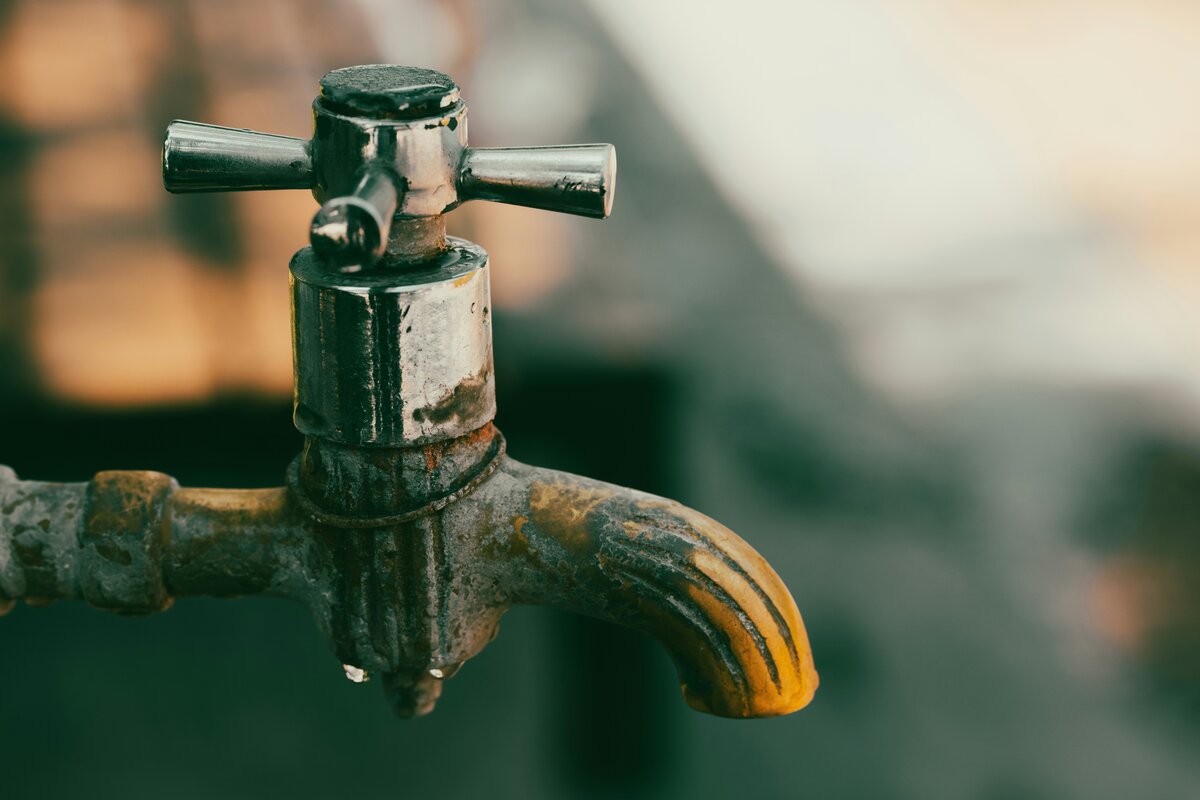
Padthaway, a small town in South Australia’s Limestone Coast, records water hardness of 602 mg/L. That is three times the Australian Drinking Water Guidelines aesthetic limit of 200 mg/L. A kettle in Padthaway coats itself in white scale within days. This is the reality for residents in the hardest water suburbs in Australia.
Using measured data from water utility reports, we ranked the suburbs with the hardest water in Australia. The results show a clear pattern: regional South Australian towns supplied by limestone groundwater dominate the list, with 28 suburbs recording hardness above the ADWG guideline. Here are the numbers.
How We Ranked the Hardest Water Suburbs in Australia
Every reading in this article comes from SA Water’s water quality performance data for the December 2024 to November 2025 reporting period. SA Water tests each supply zone across dozens of parameters, including hardness measured as calcium carbonate (CaCO₃) in mg/L.
We pulled the hardness reading for every suburb in our database and sorted from highest to lowest. The ADWG sets 200 mg/L as the aesthetic guideline for hardness. Water above this level is classified as “very hard” and typically causes noticeable limescale buildup, reduced soap performance, and taste differences.
SA Water’s data provides the most detailed suburb-level hardness readings in Australia. As more utilities publish granular data, we will expand these rankings nationally.
Australia’s 20 Hardest Water Suburbs
These suburbs all exceed the ADWG 200 mg/L aesthetic guideline, with some recording more than double that level.
| Rank | Suburb | State | Hardness (mg/L) | Times Over ADWG |
|---|---|---|---|---|
| 1 | Padthaway | SA | 602 | 3.0× |
| 2 | Geranium | SA | 575 | 2.9× |
| 3 | Quorn | SA | 460 | 2.3× |
| 4 | Watinuma | SA | 458 | 2.3× |
| 5 | Pipalyatjara | SA | 449 | 2.2× |
| 6 | Tarpeena | SA | 418 | 2.1× |
| 7 | Amata | SA | 374 | 1.9× |
| 8 | Millicent | SA | 374 | 1.9× |
| 9 | Nangwarry | SA | 372 | 1.9× |
| 10 | Melrose | SA | 366 | 1.8× |
| 11 | Kalka | SA | 366 | 1.8× |
| 12 | Naracoorte | SA | 355 | 1.8× |
| 13 | Kalangadoo | SA | 340 | 1.7× |
| 14 | Penola | SA | 320 | 1.6× |
| 15 | Lucindale | SA | 319 | 1.6× |
| 16 | Parachilna | SA | 288 | 1.4× |
| 17 | Mount Burr | SA | 285 | 1.4× |
| 18 | Elliston | SA | 284 | 1.4× |
| 19 | Arno Bay | SA | 275 | 1.4× |
| 20 | Bordertown | SA | 272 | 1.4× |
Data source: SA Water quality performance results, December 2024 – November 2025. ADWG aesthetic guideline: 200 mg/L.
The gap between the hardest and softest suburbs in Australia is stark. Padthaway at 602 mg/L is 100 times harder than some Adelaide Hills suburbs that record just 6 mg/L.
Hardest Water Suburbs by Region
The 20 hardest water suburbs cluster in four distinct regions of South Australia. Each region’s geology tells the story.
Limestone Coast (South East SA)
The Limestone Coast lives up to its name. Eleven of the top 20 hardest water suburbs sit in this region.
| Suburb | Hardness (mg/L) |
|---|---|
| Padthaway | 602 |
| Geranium | 575 |
| Tarpeena | 418 |
| Millicent | 374 |
| Nangwarry | 372 |
| Naracoorte | 355 |
| Kalangadoo | 340 |
| Penola | 320 |
| Lucindale | 319 |
| Mount Burr | 285 |
| Bordertown | 272 |
These towns draw water from bores drilled into the Gambier Limestone and Dilwyn Formation aquifers. Groundwater in this region has been dissolving calcium and magnesium carbonates for millennia. The result: hardness readings that dwarf anything seen in metropolitan water supplies.
For more on South Australia’s water, see our article on why Adelaide has Australia’s hardest water.
APY Lands (Far North SA)
Four remote communities in the Anangu Pitjantjatjara Yankunytjatjara (APY) Lands appear in the top 20.
| Suburb | Hardness (mg/L) |
|---|---|
| Watinuma | 458 |
| Pipalyatjara | 449 |
| Amata | 374 |
| Kalka | 366 |
These communities rely entirely on groundwater bores. The arid terrain in the far north of SA means surface water is scarce. Underground aquifers here pass through ancient metamorphic and sedimentary rock formations rich in calcium-bearing minerals.
Flinders Ranges and Mid North
Three Flinders Ranges towns make the list.
| Suburb | Hardness (mg/L) |
|---|---|
| Quorn | 460 |
| Melrose | 366 |
| Parachilna | 288 |
The Flinders Ranges are made of folded sedimentary rock including limestone, dolomite, and sandstone. Groundwater bores in this region tap into formations that have been mineralising water for hundreds of thousands of years. Quorn at 460 mg/L is the third hardest suburb in our database.
Eyre Peninsula and West Coast
Two west coast towns round out the top 20.
| Suburb | Hardness (mg/L) |
|---|---|
| Elliston | 284 |
| Arno Bay | 275 |
These coastal towns source water from local aquifers where limestone and calcareous sandstone dominate the geology. The Eyre Peninsula’s water supply has long been one of SA Water’s most challenging networks due to limited freshwater sources.
Why These Suburbs Have the Hardest Water
Three factors explain why the hardest water suburbs in Australia are concentrated in regional South Australia.
Groundwater dominance. Every suburb in the top 20 relies on groundwater bores rather than surface water reservoirs. When water sits underground in limestone formations for years or decades, it dissolves far more calcium and magnesium than fast-flowing surface water. Capital cities like Melbourne and Hobart use protected surface catchments, which is why their water stays soft.
Limestone geology. South Australia’s south-east and mid-north regions sit on thick limestone beds. The Gambier Limestone in the South East is up to 150 metres thick in places. Groundwater passing through this rock becomes saturated with calcium carbonate, pushing hardness well above 200 mg/L.
Arid climate. Low rainfall means less dilution. In the APY Lands and Flinders Ranges, the water table is replenished slowly. Groundwater has more time in contact with mineral-rich rock, concentrating dissolved minerals. In contrast, high-rainfall catchments in Victoria’s Yarra Ranges flush fresh, mineral-light water into reservoirs year-round.
How Capital Cities Compare
To put these regional readings in context, here is how Australian capital city water supplies typically measure.
| City | Typical Hardness (mg/L) | Classification |
|---|---|---|
| Melbourne | 8–29 | Soft |
| Hobart | 17–49 | Soft |
| Canberra | 37–38 | Soft |
| Sydney | 29–57 | Soft |
| Darwin | 39–71 | Soft to moderate |
| Adelaide (metro) | 87–136 | Moderate to hard |
| Brisbane | ~115 | Moderate |
| Perth | 29–204 | Soft to very hard |
Source: WaterScore database, water utility reports 2024–25.
Even Adelaide’s hardest metro zone (Barossa at 138 mg/L) is less than a quarter of Padthaway’s 602 mg/L. Capital city residents rarely encounter the kind of extreme hardness that regional groundwater-fed towns deal with daily. For a detailed look at Adelaide metro zones, see our Adelaide hard water article.
Perth is the only capital with comparable variation. Perth’s groundwater bores on the Gnangara Mound produce water up to 204 mg/L, while desalinated supply sits below 30 mg/L. Check Perth water hardness for suburb-specific readings.
What Hardness Above 200 mg/L Means for Your Home
At the levels recorded in these suburbs, hard water goes beyond a minor annoyance.
Rapid limescale buildup. At 400–600 mg/L, kettles, hot water systems, and showerheads develop heavy white scale within days. The calcium precipitates out when water is heated, coating any surface it touches. Residents in Padthaway and Geranium report needing to descale kettles weekly.
Higher energy bills. Scale on heating elements acts as an insulator. Just 1.5 mm of limescale reduces heating efficiency by about 12%. At 3 mm, the penalty reaches 25%. In a town with 600 mg/L hardness, hot water systems work harder and cost more to run.
Soap and detergent waste. Hard water reacts with soap to form an insoluble scum instead of lather. Households in very hard water areas typically use 50–70% more detergent, shampoo, and dishwashing liquid compared to soft-water areas. Clothes washed in very hard water feel stiffer and colours fade faster.
Plumbing wear. Over years, scale narrows pipes, restricts flow, and stresses hot water units. Plumbers in regional SA report replacing hot water elements and showerheads far more often than their metro counterparts.
Skin and hair. Some dermatology research suggests hard water may aggravate eczema and dry skin conditions. The mineral residue left on skin after showering can cause irritation for sensitive individuals.
What You Can Do
If you live in one of Australia’s hardest water suburbs, these steps can reduce the impact.
- Check your suburb’s water profile on WaterScore. Look up your town to see hardness, TDS, pH, and other readings. Start with Adelaide or search for your specific suburb.
- Install a reverse osmosis system for drinking water. RO removes 90–99% of dissolved minerals, turning 600 mg/L water into soft drinking water. Benchtop systems start from $200–350.
- Consider a whole-house water softener if your hardness exceeds 300 mg/L. Ion exchange softeners replace calcium and magnesium with sodium, preventing scale throughout the home. See our guide to the best water filter for Adelaide for options that suit hard water areas.
- Descale appliances regularly. White vinegar dissolves calcium buildup. Soak showerheads monthly and run a descaling cycle through your kettle, dishwasher, and coffee machine.
- Use our water hardness calculator to convert between mg/L, grains per gallon, and German degrees (°dH). This helps when comparing Australian readings with international products rated in different units.
- Contact SA Water for information about your local supply zone and any planned infrastructure upgrades.
Frequently Asked Questions
Which suburb has the hardest water in Australia?
Padthaway in South Australia records the highest hardness at 602 mg/L, more than three times the ADWG aesthetic guideline of 200 mg/L. The reading comes from SA Water’s 2024–25 water quality data. Padthaway’s supply relies on groundwater drawn from limestone aquifers in the Limestone Coast region.
Is very hard water safe to drink in Australia?
Yes. The ADWG sets 200 mg/L as an aesthetic guideline, not a health limit. Calcium and magnesium are minerals your body needs. Even at 600 mg/L, the water is safe to drink. The main issues are taste, limescale buildup on appliances, and reduced soap lathering.
Why does South Australia have the hardest water suburbs in Australia?
Many regional SA towns draw water from underground bores that tap into limestone aquifers. As groundwater moves through limestone over thousands of years, it dissolves calcium and magnesium carbonates. The Limestone Coast region in the South East, APY Lands in the far north, and Flinders Ranges all sit on geology that produces very hard groundwater.
Do I need a water softener if my hardness is above 200 mg/L?
A softener is not required for health, but it can reduce limescale, improve soap lathering, and extend appliance life. At 200–400 mg/L, a benchtop reverse osmosis system handles drinking water well. Above 400 mg/L, a whole-house ion exchange softener makes a bigger difference for showers, laundry, and hot water systems.
How does water hardness vary between suburbs in the same state?
Dramatically. South Australia ranges from 6 mg/L in some Adelaide Hills suburbs to 602 mg/L in Padthaway. The difference comes down to water source. Suburbs supplied by surface reservoirs tend to have softer water. Those relying on groundwater bores, especially in limestone country, have much harder water. Use our suburb search to compare specific areas.
Summary
The hardest water suburbs in Australia are concentrated in regional South Australia, where groundwater bores tap into limestone aquifers. Padthaway tops the list at 602 mg/L, more than three times the ADWG aesthetic guideline of 200 mg/L. Twenty-eight suburbs in our database exceed this guideline, with the Limestone Coast, APY Lands, and Flinders Ranges regions recording the highest readings. While this water is safe to drink, the limescale, soap waste, and appliance wear at these levels is significant. A reverse osmosis filter or whole-house softener makes a real difference for residents in the hardest water suburbs in Australia. Check your suburb’s profile on WaterScore to see how your water compares.
Sources
- SA Water. (2025). Water Quality Performance Results (December 2024 – November 2025). sawater.com.au
- NHMRC & NRMMC. (2022). Australian Drinking Water Guidelines 6. nhmrc.gov.au
- Department for Environment and Water. (2024). South Australia’s Groundwater Resources. environment.sa.gov.au
- World Health Organization. (2011). Hardness in Drinking-water: Background document for development of WHO Guidelines. who.int
- Melbourne Water. (2024). Water Quality Annual Report. melbournewater.com.au
- Water Corporation. (2024). Drinking Water Quality Annual Report: Perth Region. watercorporation.com.au
- McNally, N.J. et al. (1998). “Atopic eczema and domestic water hardness.” The Lancet, 352(9127), pp. 527–531.
Recommended filters for this topic
Hand-picked Amazon products relevant to this article.

iSpring
RCC7AK 6-Stage Under-Sink RO (with Alkaline Re-min)
4.6 · 13,756 ratings on Amazon

Purewell
8.5L Stainless Steel Gravity System
4.4 · 1,137 ratings on Amazon
Disclaimer: This article is for general informational purposes only and does not constitute medical advice, health recommendations, or professional guidance of any kind. Data referenced may not reflect current water conditions. For specific concerns about your drinking water, consult your local water utility, a licensed water testing laboratory, or a health professional. See our Terms of Use.
Written by

Environmental Health Writer
Science journalist covering water infrastructure and environmental health across Australia.
What You Can Do
Check the water quality in your area and find the right filter for your needs.
Sponsored Amazon link. Check Amazon for current price and availability.
Related Articles
Hard Water vs Soft Water: What's the Difference?
Hard water vs soft water explained for Australians. See how hardness varies by city and suburb, its effects on your home, and what you can do about it.
Brisbane vs Melbourne Water Hardness Compared
Brisbane's water is over 4x harder than Melbourne's at 81 mg/L vs 18 mg/L. See zone-by-zone data, practical impacts and filter advice for both cities.
Why Does My Kettle Have White Residue in Australia?
Why does my kettle have white residue? It's limescale from hard water minerals. See how your Australian city's water hardness affects your kettle.