Tap Water Quality in Quorn, SA
Postcode 5433 · Supplied by SA Water via Quorn
Quality Score
About Quorn
Quorn is a suburb of 1,232 residents in South Australia (postcode 5433). The median age is 53. It falls within the SA Water area. Neighbouring suburbs include Saltia, Emeroo, Bruce, Stephenston.
Most residents own outright (44%), while 31% own their home with a mortgage, while 20% rent. The median household income is $52,884 per year. The top countries of birth for residents are United Kingdom (56%), Nepal (9%), and New Zealand (7%).
Tap water in Quorn is supplied by SA Water. The suburb receives water via the Quorn supply zone.
Water quality summary
Based on 2025 water quality reports, Quorn achieves a WaterScore of 8.7 out of 10, rated excellent overall. Water hardness measures 460 mg/L, classified as very hard. Residents may notice limescale buildup on appliances and fixtures. The pH level is 7.2, which is within the ADWG guideline range of 6.5–8.5. The water is fluoridated at 0.6 mg/L, within the recommended range of 0.6–1.1 mg/L for dental health, well under the ADWG maximum of 1.5 mg/L. Chlorine, used for disinfection, measures 1.1 mg/L — well within the ADWG guideline of 5 mg/L. Some residents may notice a slight taste, which can be reduced by refrigerating water or using a carbon filter. Turbidity is 0.12 NTU, indicating clear water, within the ADWG guideline of 5 NTU. E. coli was not detected in testing, meeting the ADWG standard for microbiological safety.
Census Data
Suburb snapshot
Population
Median Age
Median Income
Owner-occupied
460/200 mg/L
286% above South Australia avg
439% above national avg
Recommended filters for Quorn
Products matched to your water profile

iSpring
RCC7AK 6-Stage Under-Sink RO (with Alkaline Re-min)
4.6 · 13,756 ratings on Amazon
Ideal for Quorn — reduces hardness from 460 mg/L, removes chlorine taste and odour.
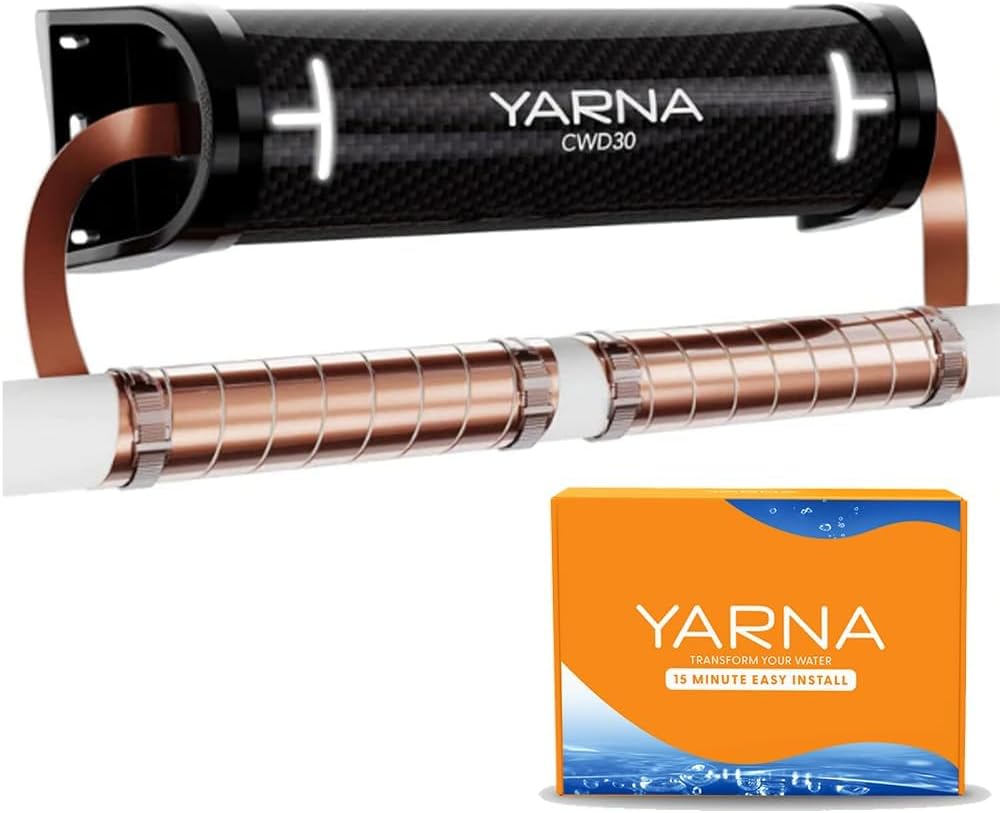
YARNA
Capacitive Electronic Water Descaler (Whole House)
4 · 538 ratings on Amazon
Ideal for Quorn — helps reduce limescale buildup from hard water (460 mg/L) without removing hardness minerals.

BRITA
Marella 2.4L Fridge Water Filter Jug (Maxtra+)
4.7 · 16,095 ratings on Amazon
Ideal for Quorn — removes chlorine taste and odour.
Comparison
How Quorn compares
Compared to South Australia and national averages
| Metric | Quorn | SA Avg | National Avg |
|---|---|---|---|
| Hardness | 460 mg/L | 119.3 mg/L | 85.3 mg/L |
| pH | 7.2 | 8.6 | 7.8 |
| Fluoride | 0.6 mg/L | 0.5 mg/L | 0.7 mg/L |
| Chlorine | 1.1 mg/L | — | — |
| Turbidity | 0.12 NTU | 0.1 NTU | 0.4 NTU |
| TDS | — | 341.5 mg/L | 275.7 mg/L |
Full Results
Detailed water quality data
All values compared against Australian Drinking Water Guidelines (ADWG)
| Parameter | Value | Unit | ADWG Guideline | Status |
|---|---|---|---|---|
| Alkalinity | 416 | mg/L | No limit | Measured |
| Aluminium | 0.001 | mg/L | < 0.2 | Good |
| Calcium | 72.9 | mg/L | No limit | Measured |
| Chloride | 387 | mg/L | < 250 | Exceeds |
| Free Chlorine | 1.1 | mg/L | < 5 | Good |
| Total Chlorine | 1.2 | mg/L | < 5 | Good |
| Colour | 1 | HU | < 15 | Good |
| Copper | 0.0136 | mg/L | < 2 | Good |
| E. coli | 0 | cfu/100mL | < 0 | Compliant |
| Fluoride | 0.6 | mg/L | < 1.5 | Good |
| Hardness | 460 | PPM or mg/L | < 200 | Exceeds |
| Iron | 0.0007 | mg/L | < 0.3 | Good |
| Lead | 0.0005 | mg/L | < 0.01 | Good |
| Magnesium | 67.6 | mg/L | No limit | Measured |
| Manganese | 0.0001 | mg/L | < 0.1 | Good |
| Nitrate | 0.5 | mg/L | < 50 | Good |
| pH | 7.2 | pH units | 6.5 – 8.5 | Normal |
| Sodium | 232 | mg/L | < 180 | Exceeds |
| Sulfate | 79.3 | mg/L | < 500 | Good |
| Turbidity | 0.12 | NTU | < 5 | Good |
Safety
Safety assessment
Of 20 parameters tested, several exceed Australian Drinking Water Guidelines: Chloride (387 mg/L), Hardness (460 PPM or mg/L), Sodium (232 mg/L). E. coli was not detected, meeting the ADWG standard for microbiological safety.
Based on comparison with Australian Drinking Water Guidelines (ADWG)
Explained
What these numbers mean
Very hard (460 mg/L)
Water Hardness
Your water is very hard, meaning significant limescale buildup is likely on appliances, fixtures, and heating elements. Soap will struggle to lather, and you may notice dry skin or dull hair after washing. Regular descaling of kettles, dishwashers, and hot water systems is strongly recommended.
Normal Range
pH Level
pH of 7.2 is within the ideal range of 6.5–8.5. The ADWG recommends pH between 6.5 and 8.5 for drinking water.
Fluoridated
Fluoride
Fluoride at 0.6 mg/L. Within the recommended 0.6–1.1 mg/L range for dental health.
Chlorine
Disinfection
Chlorine measured at 1.1 mg/L, well within the ADWG guideline of 5 mg/L. Used for disinfection to keep water safe. May affect taste slightly — refrigerating water or using a carbon filter can help.
Learn more about these measurements in our water quality glossary — including Hardness , pH , Fluoride , and ADWG guidelines .
Advice
Practical tips for residents
Reduce Chlorine Taste
Quorn's chlorine level is 1.1 mg/L. An activated carbon jug filter or benchtop unit can noticeably reduce chlorine taste and odour from tap water.
Descale Appliances Regularly
With very hard water at 460 mg/L, descale your kettle, showerhead, and hot water system every few months using white vinegar to maintain efficiency.
Fluoride in Your Water
Fluoride measures 0.6 mg/L in Quorn. Australian guidelines allow up to 1.5 mg/L. This is added by utilities to support dental health in the community.
Get water quality alerts
We'll email you when Quorn's water data is updated.
FAQ
Frequently asked questions
Is tap water safe to drink in Quorn?
How hard is the water in Quorn?
What water utility supplies Quorn?
Does Quorn water have fluoride?
What is the water quality score for Quorn?
What is the population of Quorn?
Supplier
Water utility
- Utility
- SA Water
- Supply Zone
- Quorn
- Data Source
- SA Water — water quality performance results november 2025
Nearby
Nearby suburbs
Same water utility, similar water quality
Similar Quality
Suburbs with similar water quality
Suburbs scoring between 7.7 and 9.7
Utility reports average the grid — not your home
Quorn's water meets ADWG standards at the source, but old pipes, roof tanks, and ageing plumbing can add lead, copper or bacteria before the water reaches your tap. These won't show up in your utility report.
Check your own tap before buying a filter or assuming the suburb average matches your home.

Tetra
EasyStrips 6-in-1 Water Test (100 strips)
4.6 · 8,650 ratings on Amazon
Tests 6 parameters in 60 seconds: hardness, chlorine, pH, nitrate, nitrite, alkalinity. Cheapest way to verify your utility data.
Test my tap →Sponsored Amazon link. Check Amazon for current price and availability.

Heavy Metals
Drinking Water Test Kit (Lead, Copper, Iron, Mercury)
4.2 · 250 ratings on Amazon
20 tests. Detects lead, copper, iron, mercury — the things utility reports miss. Mobile-app results, EPA-standard thresholds.
Check metals kit →Sponsored Amazon link. Check Amazon for current price and availability.
Guides for Adelaide and SA
In-depth articles on the water supply that serves Quorn
Cite
Cite this page
Free to quote and reuse with a credit to WaterScore and a link to this page. Journalists and researchers can find key figures and contacts on our press and data page.
WaterScore. (2026). Tap water quality in Quorn, SA [Data set]. Compiled from SA Water data (2025 report). https://waterscore.com.au/water-quality/quorn-sa/
Embed
Add Quorn, SA water data to your website
For plumbers, filter suppliers, cafés and real estate agents. Paste this code into your page to show the badge below, which links back to this report.
Related
Explore more
Related pages for Quorn, SA
Disclaimer: The information on this page is for general informational purposes only and does not constitute medical advice, health recommendations, or professional guidance. Water quality data is sourced from SA Water (2025 report) and reflects conditions at the time of utility testing — it may not reflect real-time water quality at your tap. Actual water quality can vary due to local plumbing, seasonal changes, and distance from the treatment plant. For specific health concerns, consult a qualified health professional. For the most current water quality information, contact your local water utility directly. See our Terms of Use.