Is Tap Water Safe to Drink in Adelaide? (2026)
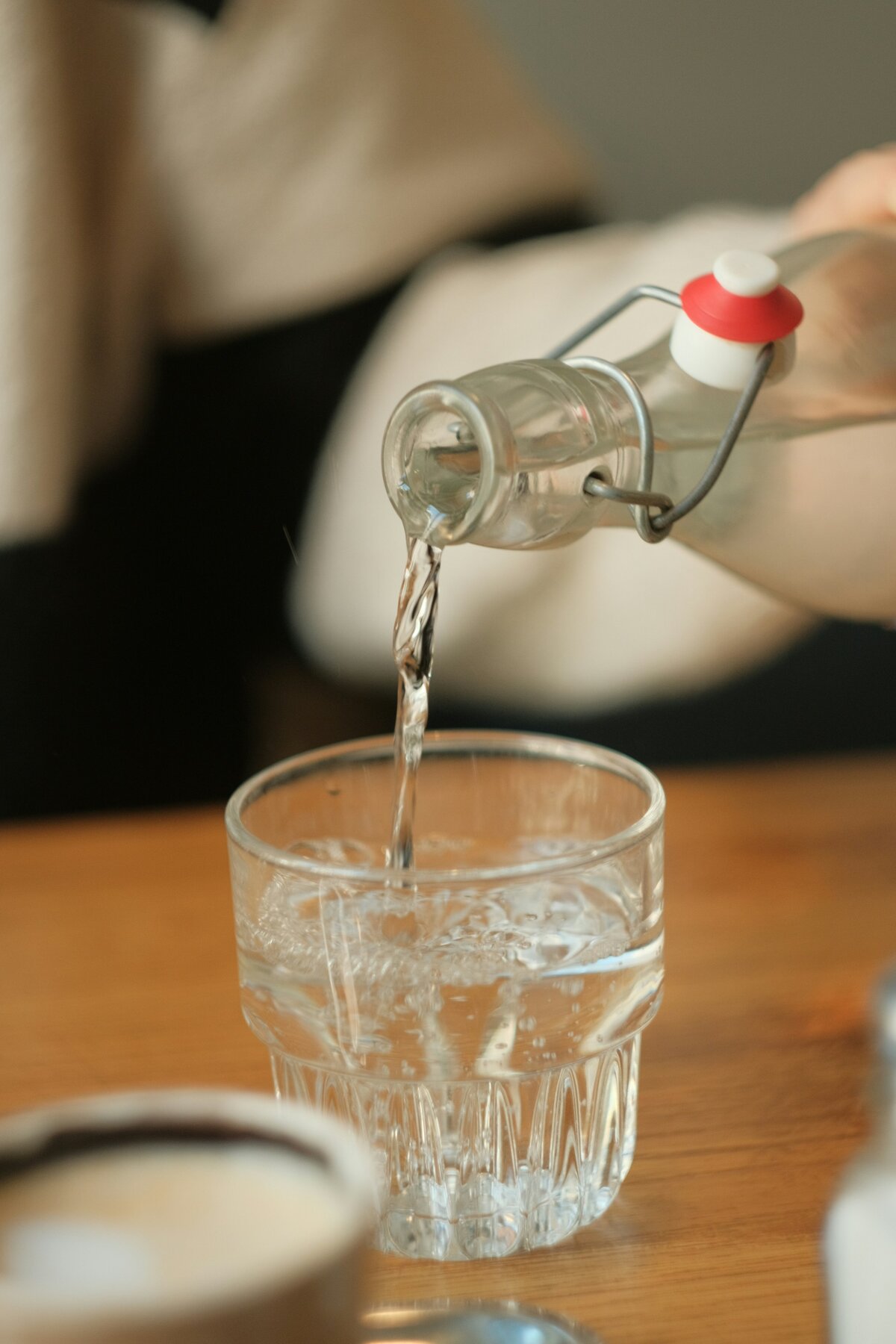
“Is tap water safe to drink in Adelaide?” is a fair question, especially if you have noticed the mineral taste or limescale buildup that comes with the city’s famously hard water. The short answer is yes. Adelaide’s tap water meets the Australian Drinking Water Guidelines across all 12 metropolitan supply zones, and every health-based parameter sits well within safe limits.
Adelaide’s water is different from what you will find in Sydney or Melbourne. It is harder, it carries more dissolved minerals, and it comes from very different sources. Below, we break down actual water quality readings from SA Water’s monitoring data so you can see exactly what is in your glass and how it compares to national guidelines.
Where Adelaide’s Tap Water Comes From
Adelaide’s drinking water comes from three main sources, and the blend changes depending on rainfall and demand.
The Murray River is the single largest source, supplying up to 40% of Adelaide’s water in a typical year and considerably more during drought. Water is pumped from the Murray at Mannum and Murray Bridge, then piped to reservoirs around the city. The Murray’s long journey through agricultural and pastoral land means it carries higher mineral loads than the mountain catchments that supply Sydney or Melbourne.
Mount Lofty Ranges reservoirs make up the second major source. A network of reservoirs including Mount Bold, Happy Valley, Myponga, and Millbrook collect rainwater from the hills east of the city. This water tends to be softer and lower in TDS than Murray River water.
The Adelaide Desalination Plant at Port Stanvac can supply up to 100 gigalitres per year. Desalinated water has very low mineral content and is blended into the network to reduce overall hardness during dry periods.
SA Water operates 12 supply zones across metropolitan Adelaide, each receiving a different blend of these three sources. That blend determines the mineral profile your suburb receives.
Is Tap Water Safe to Drink in Adelaide? What the Data Shows
The most direct way to answer whether tap water is safe to drink in Adelaide is to look at the numbers. We analysed SA Water’s water quality monitoring data covering all 12 metro supply zones. Every health-based parameter tested sits within ADWG guidelines.
Here are the key readings averaged across the network:
| Parameter | Average | Range | ADWG Guideline | % of Limit |
|---|---|---|---|---|
| Fluoride | 0.56 mg/L | 0.40–0.70 | 1.5 mg/L | 37% |
| Free chlorine | 0.32 mg/L | 0.10–0.60 | 5 mg/L | 6% |
| Hardness | 110 mg/L | 87–138 | 200 mg/L | 55% |
| TDS | 339 mg/L | 263–480 | 600 mg/L | 57% |
| Turbidity | 0.11 NTU | 0.05–0.25 | 5 NTU | 2% |
| Aluminium | 0.032 mg/L | 0.01–0.05 | 0.2 mg/L | 16% |
| Lead | 0.0004 mg/L | <0.001 | 0.01 mg/L | 4% |
No health-based parameter exceeds 57% of its guideline limit. Turbidity, a measure of water clarity, sits at just 2% of the maximum, indicating effective treatment at SA Water’s filtration plants.
E. coli was not detected in any supply zone during the reporting period, meeting the ADWG requirement of zero detection per 100 mL sample.
The two parameters that stand out are hardness and TDS. Both sit higher than you would see in Sydney or Melbourne, but these are aesthetic guidelines rather than health limits. Adelaide’s water has more dissolved minerals because it draws from the Murray River rather than from protected mountain catchments.
Fluoride in Adelaide Tap Water
SA Water has added fluoride to Adelaide’s drinking water since 1971, in line with SA Health’s fluoridation policy. The aim is to reduce tooth decay across the population.
Across Adelaide’s 12 metro supply zones, fluoride levels average 0.56 mg/L, with a maximum of 0.70 mg/L. This is well below the ADWG health guideline of 1.5 mg/L.
Adelaide’s fluoride levels are lower than Sydney’s average of 1.02 mg/L and broadly similar to Melbourne’s 0.75 mg/L average. The World Health Organization sets its fluoride guideline at 1.5 mg/L, and Adelaide sits comfortably below both national and international thresholds.
If you prefer to reduce fluoride in your drinking water, a reverse osmosis system is the most effective option. Standard carbon filters do not remove fluoride.
Chlorine and Chloramine: How Adelaide Disinfects Its Water
SA Water uses a two-stage disinfection process. Free chlorine is applied at the treatment plant to kill bacteria and pathogens. Chloramine (formed by adding a small amount of ammonia to chlorinated water) is then used as a secondary disinfectant to maintain protection as water travels through the pipe network to your tap.
Free chlorine levels across the metro network average 0.32 mg/L, with a range of 0.10 to 0.60 mg/L. This is well under the ADWG guideline of 5 mg/L. Chloramine residual brings the total chlorine average to 1.19 mg/L, with higher levels in zones that have longer distribution networks.
Chloramine has a milder taste and smell than free chlorine, which is one reason Adelaide’s tap water may seem less “chemical” than water in some outer suburbs of Sydney or Melbourne where free chlorine is the sole disinfectant. The Murray River source adds a mineral flavour that many Adelaide residents notice more than any disinfectant.
If the taste bothers you, filling a jug and leaving it in the fridge for a few hours can help. A carbon water filter also reduces both chlorine and chloramine effectively.
How Hard Is Adelaide’s Water?
Adelaide has the hardest tap water of any major city on the Australian mainland. Hardness ranges from 87 to 138 mg/L across metro supply zones, placing most of the city in the “moderately hard” category (61–120 mg/L) with some fringe zones classified as “hard” (121–180 mg/L).
| Zone | Hardness (mg/L) | Classification |
|---|---|---|
| Anstey Hill (north-east) | 87 | Moderately hard |
| Summit (hills) | 89 | Moderately hard |
| Southern metro | 92 | Moderately hard |
| Central metro | 97 | Moderately hard |
| Eastern metro | 97 | Moderately hard |
| Happy Valley | 102 | Moderately hard |
| Western metro | 104 | Moderately hard |
| Northern metro | 111 | Moderately hard |
| Barossa (Gawler) | 129 | Hard |
| Myponga metro (outer south) | 136 | Hard |
All zones sit below the ADWG aesthetic guideline of 200 mg/L. Hardness is not a health risk at any level found in Adelaide’s water. Calcium and magnesium are minerals your body needs. The practical effects are scale buildup on kettles and showerheads, reduced soap lathering, and spotting on glassware.
Compare Adelaide to other capitals: Sydney ranges from 28 to 58 mg/L (soft), Melbourne from 8 to 44 mg/L (soft), and Brisbane from 43 to 81 mg/L (soft to moderately hard). Even Adelaide’s softest zone at 87 mg/L is harder than Sydney’s hardest suburb.
For a detailed suburb-by-suburb breakdown, see our water hardness in Adelaide guide or read why Adelaide has Australia’s hardest water. You can also convert between hardness units using the water hardness calculator.
PFAS, Sodium, and Trace Contaminants
PFAS
PFAS (per- and polyfluoroalkyl substances) are an area of growing attention in Australian water supplies. SA Water began PFAS testing across its supply network in September 2024, testing for both PFOS + PFHxS and PFOA at all metro supply zones.
All results to date show non-detectable levels of PFAS in Adelaide’s drinking water. SA Water continues routine monitoring and publishes results on its website. The updated 2025 ADWG guidelines set health values of 0.07 µg/L for PFOS + PFHxS and 0.56 µg/L for PFOA. For more on how PFAS affects Australian water supplies, see our PFAS explainer.
Sodium
Adelaide’s water contains more sodium than most other capital cities, averaging 66 mg/L with a peak of 106 mg/L in some zones. This is below the ADWG aesthetic guideline of 180 mg/L.
For context, Sydney’s sodium levels sit around 15–25 mg/L and Melbourne’s around 5–10 mg/L. The higher sodium in Adelaide reflects the Murray River’s mineral load. At these concentrations, sodium in drinking water contributes a fraction of the daily intake most Australians get from food. People on sodium-restricted diets should be aware of this contribution, though the levels remain within guidelines.
Trace metals
Iron averages 0.015 mg/L (5% of the 0.3 mg/L aesthetic guideline) and manganese averages 0.002 mg/L (2% of the 0.1 mg/L guideline). Aluminium averages 0.032 mg/L (16% of the 0.2 mg/L guideline). Copper sits at 0.014 mg/L against a guideline of 2 mg/L.
Lead averages 0.0004 mg/L across the network, just 4% of the ADWG health guideline of 0.01 mg/L. Lead contamination in drinking water typically comes from household plumbing rather than the water supply. Homes built before 1980 may have lead solder or brass fittings that can leach small amounts into standing water. Running the cold tap for 30 seconds before drinking helps flush any accumulated metals from your pipes.
How Water Quality Varies Across Adelaide
SA Water’s 12 metro supply zones receive different blends of Murray River, reservoir, and desalinated water. This creates measurable differences depending on where you live.
| Characteristic | Lowest Zone | Highest Zone |
|---|---|---|
| Hardness | Anstey Hill (87 mg/L) | Myponga metro (136 mg/L) |
| TDS | Anstey Hill (263 mg/L) | Myponga metro (468 mg/L) |
| Fluoride | 0.40 mg/L | 0.70 mg/L |
| Free chlorine | 0.10 mg/L | 0.60 mg/L |
| Sodium | 40 mg/L | 106 mg/L |
Zones closer to the Mount Lofty Ranges reservoirs (Anstey Hill, Summit) tend to record lower mineral readings. Zones receiving a higher proportion of Murray River water (Northern metro, Western metro) or those on longer pipe networks (Myponga metro, Barossa) record higher values. All readings remain within ADWG guidelines regardless of zone.
Suburbs in the central metro zone, including Adelaide CBD, Unley, Glenelg, and Aberfoyle Park, sit in the middle of the range at 97 mg/L hardness. Northern suburbs like Salisbury and Elizabeth receive harder water at 111 mg/L, while Golden Grove and Tea Tree Gully in the north-east benefit from the softer Anstey Hill supply at 87 mg/L.
You can look up your suburb’s specific supply zone and water quality readings on our Adelaide water quality page.
What You Can Do
Adelaide’s tap water is safe, but there are practical steps you can take to get the best quality water at home:
-
Check your suburb’s water quality. Look up your address on WaterScore to see which supply zone serves you and what the latest readings show.
-
Flush your taps in the morning. If water has been sitting in your pipes overnight, run the cold tap for 30 seconds before drinking. This is especially worthwhile in older homes where plumbing fittings may contain lead solder or brass.
-
Consider a carbon filter for taste. A benchtop or under-sink carbon filter can reduce chloramine taste and the mineral flavour from Murray River source water. Check our best water filter recommendations for Adelaide for options suited to your water profile.
-
Use cold water for drinking and cooking. Hot water systems may leach trace metals from pipes and fittings at higher rates than cold water. Always draw water for consumption from the cold tap.
-
Manage hard water effects. If you notice scale on your kettle or showerhead, regular descaling with white vinegar keeps them working well. For persistent buildup in high-hardness zones, a whole-house water softener is worth considering. See our hard water vs soft water guide for more options.
-
Compare two suburbs side by side. The suburb comparison tool puts Adelaide suburbs next to each other, or against another city, on hardness, chlorine, fluoride and overall score.
Frequently Asked Questions
Is tap water safe to drink in Adelaide?
Yes. Adelaide’s tap water meets all Australian Drinking Water Guidelines across every metro supply zone. Testing data from SA Water shows that every health-based parameter sits well within ADWG limits. Hardness and TDS are higher than Sydney or Melbourne but these are aesthetic characteristics, not health concerns. You can check your suburb’s specific readings on our Adelaide water quality page.
Why does Adelaide tap water taste different from Sydney or Melbourne?
Adelaide draws much of its water from the Murray River, which carries higher levels of dissolved minerals than the protected mountain catchments supplying Sydney and Melbourne. This gives Adelaide’s water a more mineral taste. SA Water uses chloramine for disinfection, which has a milder taste than free chlorine. Leaving water in a jug in the fridge can improve the taste further.
Does Adelaide add fluoride to its water?
Yes. SA Water has fluoridated Adelaide’s drinking water since 1971. Fluoride levels average 0.56 mg/L across metro supply zones, well below the ADWG health guideline of 1.5 mg/L. This is lower than Sydney’s fluoride levels, which average 1.02 mg/L. A reverse osmosis filter is the most effective way to reduce fluoride if you prefer to.
Is Adelaide water hard or soft?
Adelaide has moderately hard water. Hardness ranges from 87 to 138 mg/L across metro supply zones, making it the hardest capital city water on the Australian mainland. Compare that to Sydney (28–58 mg/L) and Melbourne (8–44 mg/L). The hardness is safe to drink but may cause scale on appliances. For suburb-specific data, see our water hardness in Adelaide guide.
Do I need a water filter in Adelaide?
You do not need a filter for safety. Adelaide’s water meets all health guidelines. A carbon filter can improve taste by reducing chloramine residual. If you find the mineral content noticeable, a reverse osmosis system reduces TDS and hardness. If your home has older brass fittings, a filter may also reduce trace metals from your plumbing. See our filter guide for Adelaide for recommendations.
Does Adelaide tap water contain PFAS?
SA Water began PFAS testing across its supply network in September 2024. All results to date show non-detectable levels of PFAS in Adelaide’s drinking water. SA Water continues routine monitoring in line with the updated ADWG guidelines for PFAS. For more on PFAS in Australian water, see our PFAS explainer.
Summary
Is tap water safe to drink in Adelaide? The data says yes. Every health-based parameter tested across SA Water’s 12 metro supply zones falls within ADWG guidelines, with most readings sitting at a fraction of the allowable limit. Adelaide’s water is harder and more mineral-rich than what you will find in Sydney or Melbourne, a result of drawing from the Murray River rather than protected mountain catchments. Those differences affect taste and scale buildup but not safety. Fluoride is added at controlled levels for dental health, chloramine disinfection keeps microbial risks to a minimum, and PFAS testing shows non-detectable levels. For specific readings in your suburb, check your water quality report on WaterScore.
Sources
- Your Tap Water, SA Water
- SA Water Performance Results, SA Water
- Australian Drinking Water Guidelines, NHMRC
- Fluoride in Water, SA Health
- PFAS and Drinking Water, SA Water
- Adelaide Water Quality Data, WaterScore
Recommended filters for this topic
Hand-picked Amazon products relevant to this article.

iSpring
RCC7AK 6-Stage Under-Sink RO (with Alkaline Re-min)
4.6 · 13,756 ratings on Amazon

Berkey
Travel Water Filter (2× Black Elements)
4.5 · 3,034 ratings on Amazon
Disclaimer: This article is for general informational purposes only and does not constitute medical advice, health recommendations, or professional guidance of any kind. The health and safety information discussed should not be used as a substitute for consultation with qualified health professionals. Data referenced may not reflect current water conditions. For specific concerns about your drinking water, consult your local water utility, a licensed water testing laboratory, or a health professional. See our Terms of Use.
Written by

Environmental Health Writer
Science journalist covering water infrastructure and environmental health across Australia.
Reviewed by

Water Infrastructure Analyst
Civil engineer and former SA Water/Melbourne Water analyst specialising in comparative water quality.
What You Can Do
Check the water quality in your area and find the right filter for your needs.
Sponsored Amazon link. Check Amazon for current price and availability.
Related Articles

Is Tap Water Safe to Drink in Melbourne? (2026)
Is tap water safe to drink in Melbourne? We analyse actual water quality data from three retail water companies covering fluoride, chlorine, hardness, and contaminants across Melbourne's supply zones.
Is Tap Water Safe to Drink in Sydney? (2026)
Is tap water safe to drink in Sydney? We analyse actual water quality data across 13 supply zones covering fluoride, chlorine, hardness, and contaminants.
Is Tap Water Safe to Drink in Brisbane? (2026)
Is Brisbane tap water safe? We analyse actual water quality data for fluoride, chlorine, hardness, and contaminants across Brisbane's supply zones.