Is Tap Water Safe to Drink in Brisbane? (2026)
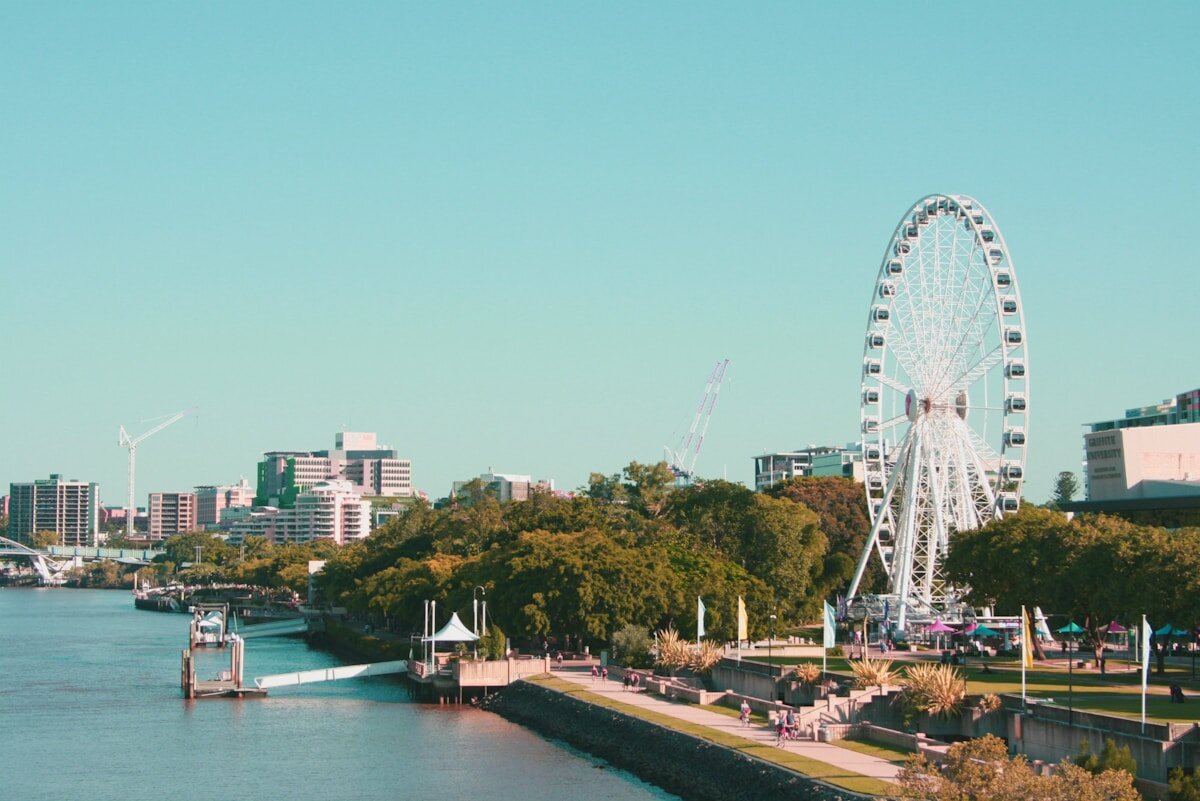
Brisbane’s tap water is safe to drink. Seqwater, the bulk water authority for South East Queensland, conducts almost 400,000 water quality tests each year and publishes monthly results. Every health-related parameter falls within the Australian Drinking Water Guidelines. But “safe” covers a lot of ground, and Brisbane residents regularly search for specifics about what’s actually in their water, especially after seasonal taste changes or heavy rainfall events.
We’ve pulled the latest data from WaterScore’s database and official Seqwater reports to break down exactly what’s in Brisbane’s tap water and how it compares to national guidelines.
Where Brisbane’s Drinking Water Comes From
Brisbane’s water is part of the SEQ Water Grid, a network of 12 dams, two desalination plants, and interconnecting pipelines serving the entire South East Queensland region. The main supply for Brisbane comes from Wivenhoe Dam (the region’s largest), Somerset Dam, and North Pine Dam.
Seqwater treats the raw water at several treatment plants before handing it to Urban Utilities, the distribution utility responsible for getting treated water to Brisbane homes and businesses. The treatment process includes coagulation, flocculation, sedimentation, filtration, and chlorine disinfection. Fluoride is added at the treatment stage.
Because the water grid is interconnected, Brisbane can draw from multiple sources depending on dam levels and demand. This flexibility is a strength, but it also means water quality can vary slightly depending on which dam is contributing the most to the supply at any given time.
Is Tap Water Safe to Drink in Brisbane? What the Data Shows
The most direct way to answer whether tap water is safe to drink in Brisbane is to look at the numbers. Here are the key parameters for the Brisbane supply zone from WaterScore’s latest data:
| Parameter | Brisbane Zone | ADWG Guideline | Status |
|---|---|---|---|
| Hardness | 114.8 mg/L | 200 mg/L (aesthetic) | Within guideline |
| Fluoride | 0.85 mg/L | 1.5 mg/L | 57% of limit |
| Free chlorine | 1.10 mg/L | 5 mg/L | 22% of limit |
| Total chlorine | 3.00 mg/L | — | — |
| Turbidity | 0.3 NTU | 5 NTU | 6% of limit |
| Sodium | 43.5 mg/L | 180 mg/L (aesthetic) | 24% of limit |
| Calcium | 23.8 mg/L | — | — |
| Conductivity | 497.2 µS/cm | — | — |
No health-related parameter exceeds its guideline limit. Turbidity at 0.3 NTU indicates effective filtration. Fluoride sits at 57% of the health limit.
Seqwater’s monthly water quality reports confirm 100% compliance with ADWG health guidelines across the SEQ region.
How Brisbane Water Quality Varies by Zone
Not all of South East Queensland drinks the same water. The SEQ Water Grid serves several zones with slightly different quality profiles. Here’s how the key zones compare:
| Zone | Hardness (mg/L) | Fluoride (mg/L) | Free Chlorine (mg/L) | Turbidity (NTU) |
|---|---|---|---|---|
| Brisbane | 114.8 | 0.85 | 1.10 | 0.3 |
| Redland | 85.2 | 0.83 | 1.10 | 0.4 |
| Logan | 70.2 | 0.85 | 1.30 | 0.4 |
| Moreton | 53.0 | 0.81 | 0.40 | 0.3 |
| Sunshine Coast | 52.3 | 0.83 | 1.60 | 0.4 |
| Gold Coast | 33.9 | 0.81 | 1.70 | 0.3 |
Brisbane city has the hardest water in the SEQ region at 114.8 mg/L, while the Gold Coast has the softest at 33.9 mg/L. All zones meet ADWG guidelines. The variation comes from which dams and treatment plants supply each area and the geology of each catchment.
Suburbs like Paddington, Toowong, Chermside, Bulimba, and Sunnybank all share the Brisbane zone data. Wynnum, being closer to the bayside, falls under the Redland zone with slightly softer water at 85.2 mg/L.
Fluoride in Brisbane Tap Water
Brisbane’s water is fluoridated at around 0.85 mg/L, consistent with Queensland Health’s target range for dental health benefits. This sits below the ADWG health guideline of 1.5 mg/L.
Queensland reintroduced mandatory water fluoridation for large supplies in 2008. Since then, dental health data has shown improvements in childhood tooth decay rates across the state.
If you prefer to reduce fluoride in your drinking water, a reverse osmosis system is the most effective option. Standard carbon filters do not remove fluoride.
Chlorine: Why Brisbane Water Can Taste Different
Seqwater uses chlorine as the primary disinfectant for Brisbane’s water supply. Free chlorine levels in the Brisbane zone average 1.10 mg/L, well under the ADWG health guideline of 5 mg/L.
Chlorine levels can vary depending on where you are in the distribution network. Homes closer to a treatment plant may notice a slightly stronger chlorine taste than those at the end of a long pipe run, where chlorine has had more time to dissipate.
If the chlorine taste bothers you, two simple fixes work well:
- Fill a jug and leave it in the fridge for a few hours. The chlorine dissipates naturally.
- Use a carbon filter. A benchtop or under-sink model will remove residual chlorine effectively. Check our best water filter for Brisbane for recommendations.
Brisbane Water Hardness: Moderately Hard
Brisbane’s hardness of 114.8 mg/L classifies it as moderately hard water. That puts it above Sydney (43 mg/L average) and Melbourne (18 mg/L average), but below Adelaide (103–170 mg/L in many suburbs).
At this level, you may notice:
- Some white scale on kettles and showerheads
- Slightly reduced soap lathering compared to soft water cities
- A mild mineral taste
Brisbane’s hardness is well below the 200 mg/L ADWG aesthetic guideline. It’s not a health concern. If scale buildup bothers you, regular descaling with white vinegar handles it. For a more detailed breakdown, see our water hardness in Brisbane article or use the water hardness calculator to convert between measurement units.
Seasonal Taste and Odour Changes
Brisbane residents occasionally notice their tap water tasting earthy or grassy. This is caused by naturally occurring compounds called MIB (methylisoborneol) and geosmin, produced by algae in the dam catchments. Hot weather followed by heavy rain creates conditions that boost algal growth.
In late 2024, parts of Brisbane, Ipswich, Logan, and Redlands experienced noticeable taste and odour changes after a period of hot, rainy weather. Seqwater confirmed the water remained safe to drink throughout and adjusted treatment processes to manage the issue.
These events are temporary and do not affect the safety of the water supply. If you notice an earthy taste, it’s an aesthetic issue rather than a health concern. A carbon filter with the tap water will remove the taste.
What You Can Do
-
Check your suburb’s water quality. Look up your address on WaterScore’s Brisbane page to see which zone serves you and what the latest readings show.
-
Flush your taps in the morning. If water has been sitting in your pipes overnight, run the cold tap for 30 seconds before drinking. This is worthwhile in older homes where brass fittings may contain trace metals.
-
Consider a carbon filter for taste. A benchtop or under-sink carbon filter removes chlorine taste and seasonal earthy flavours. See our best water filter for Brisbane page for options matched to your water profile. For ranked product picks, see our guide to the best water filters in Australia.
-
Use cold water for drinking and cooking. Hot water systems can leach trace metals from pipes and fittings at higher rates. Always draw water for consumption from the cold tap.
-
Check Seqwater’s monthly reports. Seqwater publishes detailed water quality data every month. If you notice a change in taste or appearance, check their site for any alerts.
-
Compare two suburbs side by side. The suburb comparison tool puts Brisbane suburbs next to each other, or against another city, on hardness, chlorine, fluoride and overall score.
Frequently Asked Questions
Is tap water safe to drink in Brisbane?
Yes. Brisbane’s tap water meets all Australian Drinking Water Guidelines. Seqwater conducts almost 400,000 water quality tests annually and publishes monthly reports. All health-related parameters are within ADWG limits.
Is Brisbane water hard or soft?
Brisbane has moderately hard water. The Brisbane supply zone records hardness of 114.8 mg/L, which falls in the “moderately hard” category (61–120 mg/L). Surrounding zones like the Gold Coast are softer at 33.9 mg/L. Brisbane’s hardness is well below the 200 mg/L ADWG aesthetic guideline. See our Brisbane water hardness article for suburb-level detail.
Does Brisbane tap water contain fluoride?
Yes. Brisbane’s water is fluoridated at around 0.85 mg/L, within the Queensland Health target range and below the ADWG health guideline of 1.5 mg/L. Fluoride is added to reduce tooth decay across the population.
Why does Brisbane tap water sometimes taste earthy?
Seasonal taste and odour changes are caused by naturally occurring compounds called MIB and geosmin. These are produced by algae in dam catchments, especially after hot and rainy weather. The water remains safe to drink during these events. Seqwater adjusts treatment to manage the issue.
Do I need a water filter in Brisbane?
You do not need a filter for safety. Brisbane’s water meets all health guidelines. A carbon filter can improve taste by reducing residual chlorine. If you want to reduce hardness or fluoride, a reverse osmosis system is more effective. See our filter recommendations for Brisbane.
Where does Brisbane’s drinking water come from?
Brisbane’s water comes from the SEQ Water Grid, a network of dams, weirs, and interconnecting pipelines across South East Queensland. The main sources include Wivenhoe Dam, Somerset Dam, and North Pine Dam. Seqwater treats the water before Urban Utilities distributes it to Brisbane homes.
Summary
Is tap water safe to drink in Brisbane? Yes. Every health-related parameter in Brisbane’s water supply sits within ADWG guidelines, backed by almost 400,000 tests per year. The water is moderately hard at 114.8 mg/L, fluoridated at 0.85 mg/L, and disinfected with chlorine at levels well below health limits. Seasonal taste changes from algal compounds are cosmetic, not safety concerns. For specific readings in your suburb, check your water quality report on WaterScore.
Sources
- Seqwater — Water Quality Report, Seqwater
- Seqwater — Taste and Odour Update, Seqwater
- NHMRC — Australian Drinking Water Guidelines (ADWG), NHMRC
- Queensland Health — Water Fluoridation, Queensland Health
- Urban Utilities — Water Quality, Urban Utilities
- WaterScore — Brisbane Water Quality Data, WaterScore
Recommended filters for this topic
Hand-picked Amazon products relevant to this article.

iSpring
RCC7AK 6-Stage Under-Sink RO (with Alkaline Re-min)
4.6 · 13,756 ratings on Amazon

Nakii
Water Filter Pitcher (WQA Certified, 150 Gallons)
4.4 · 6,827 ratings on Amazon
Disclaimer: This article is for general informational purposes only and does not constitute medical advice, health recommendations, or professional guidance of any kind. The health and safety information discussed should not be used as a substitute for consultation with qualified health professionals. Data referenced may not reflect current water conditions. For specific concerns about your drinking water, consult your local water utility, a licensed water testing laboratory, or a health professional. See our Terms of Use.
Written by

Environmental Health Writer
Science journalist covering water infrastructure and environmental health across Australia.
Reviewed by

Lead Water Quality Analyst
Environmental scientist and water quality researcher with a PhD from the University of Melbourne.
What You Can Do
Check the water quality in your area and find the right filter for your needs.
Sponsored Amazon link. Check Amazon for current price and availability.
Related Articles

Is Tap Water Safe to Drink in Melbourne? (2026)
Is tap water safe to drink in Melbourne? We analyse actual water quality data from three retail water companies covering fluoride, chlorine, hardness, and contaminants across Melbourne's supply zones.
Is Tap Water Safe to Drink in Sydney? (2026)
Is tap water safe to drink in Sydney? We analyse actual water quality data across 13 supply zones covering fluoride, chlorine, hardness, and contaminants.
Is Tap Water Safe to Drink in Adelaide? (2026)
Is tap water safe to drink in Adelaide? We analyse SA Water's data across 12 supply zones covering hardness, chloramine, fluoride, PFAS, and contaminants.