Is Tap Water Safe to Drink in Sydney? (2026)
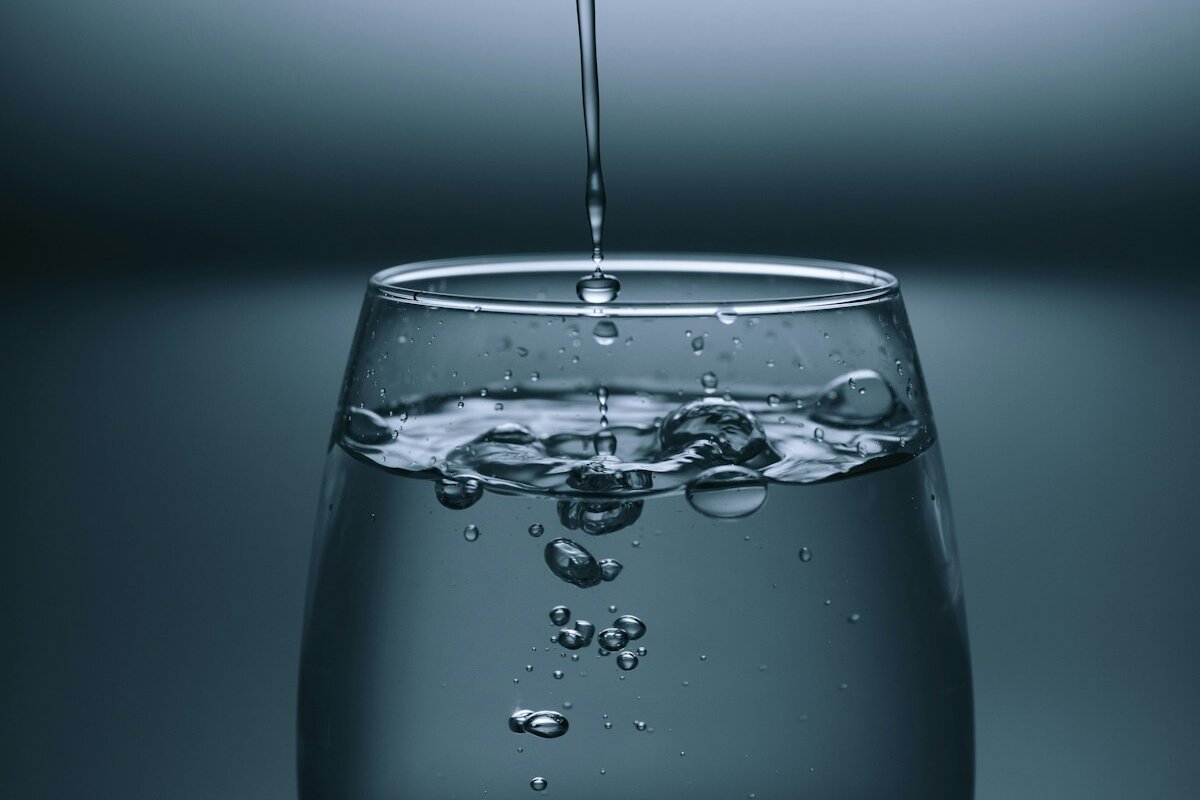
“Is tap water safe to drink in Sydney?” is one of the most searched water quality questions in Australia. Whether you have just moved to the city, you are visiting, or you have noticed a chlorine taste from the kitchen tap, the short answer is yes. Sydney’s tap water meets the Australian Drinking Water Guidelines across all 13 supply zones, and the data backs that up.
But “safe” deserves more than a one-word answer. Below, we break down actual water quality readings from Sydney Water’s quarterly reports so you can see exactly what is in your glass and how it compares to national guidelines.
Where Sydney’s Tap Water Comes From
Sydney’s drinking water starts in a network of protected catchments stretching across 16,000 square kilometres of bushland west and south of the city. Warragamba Dam supplies roughly 80% of Sydney’s raw water, with the Upper Nepean, Shoalhaven, and Blue Mountains catchments making up the rest.
Raw water is treated at nine filtration plants before entering the distribution network. The treatment process includes coagulation, flocculation, sedimentation, filtration, and disinfection. Depending on your suburb, the treated water travels through one of 13 delivery systems (known as supply zones) before it reaches your tap.
This zone-based system means water quality can vary slightly depending on which treatment plant and delivery system serves your address. We cover those differences in detail below.
Is Tap Water Safe to Drink in Sydney? What the Data Shows
The most direct way to answer whether tap water is safe to drink in Sydney is to look at the numbers. We analysed Sydney Water’s quarterly drinking water quality reports for 2024-25, covering all 13 supply zones. Every single parameter tested sits within ADWG guidelines.
Here are the key readings averaged across the network:
| Parameter | Average | Range | ADWG Guideline | % of Limit |
|---|---|---|---|---|
| Fluoride | 1.02 mg/L | 0.96–1.05 | 1.5 mg/L | 68% |
| Free chlorine | 0.66 mg/L | 0.04–1.73 | 5 mg/L | 13% |
| Hardness | 42.7 mg/L | 27.6–57.7 | 200 mg/L | 21% |
| pH | 7.78 | 7.60–7.90 | 6.5–8.5 | In range |
| TDS | 124 mg/L | 64.5–158 | 600 mg/L | 21% |
| Turbidity | 0.13 NTU | 0.10–0.19 | 5 NTU | 3% |
| Trihalomethanes | 0.084 mg/L | 0.03–0.14 | 0.25 mg/L | 34% |
No parameter exceeds 68% of its guideline limit. Turbidity, a measure of water clarity, sits at just 3% of the maximum. That indicates effective filtration at the treatment plants.
E. coli was not detected in any supply zone during the 2024-25 reporting period, meeting the ADWG requirement of zero detection per 100 mL sample.
Fluoride in Sydney Tap Water
Sydney Water adds fluoride to all its drinking water supplies, in line with NSW Health’s fluoridation policy. The target concentration sits between 0.9 and 1.5 mg/L, with the aim of reducing tooth decay across the population.
Across Sydney’s 13 supply zones, fluoride levels are remarkably consistent. The average is 1.02 mg/L, with a narrow range of 0.96 to 1.05 mg/L. This is well below the ADWG health guideline of 1.5 mg/L, the level above which long-term exposure may increase the risk of dental fluorosis.
The World Health Organization also sets its fluoride guideline at 1.5 mg/L. Sydney’s levels sit comfortably below both national and international thresholds.
If you prefer to reduce fluoride in your drinking water, a reverse osmosis system is the most effective option. Standard carbon filters do not remove fluoride.
Chlorine and Chloramine: How Sydney Disinfects Its Water
Sydney Water uses two different disinfectants depending on which supply zone serves your area. Understanding the difference explains why tap water can taste different in different parts of the city.
Free chlorine is used in zones closer to treatment plants or with shorter distribution networks. These include Cascade (Blue Mountains), Illawarra (Wollongong region), Macarthur (Campbelltown), Nepean (Camden), North Richmond, Orchard Hills (Penrith), and Warragamba. Free chlorine levels in these zones range from 0.74 to 1.73 mg/L, well under the ADWG limit of 5 mg/L.
Chloramine (monochloramine) is used in zones with longer pipe networks where the disinfectant needs to persist without breaking down. These include Potts Hill (inner west and eastern suburbs), Prospect East, Prospect North (Parramatta), Prospect South, Ryde (North Sydney, Chatswood), and Woronora (Sutherland). Chloramine levels range from 0.07 to 1.97 mg/L, with an average of 0.93 mg/L against the ADWG limit of 3 mg/L.
Both disinfectants are safe at these concentrations. Free chlorine has a stronger taste and smell, which is why residents in outer suburbs like Penrith or the Blue Mountains may notice it more than those in chloraminated zones like Parramatta or Manly.
If the chlorine taste bothers you, filling a jug and leaving it in the fridge for a few hours allows the free chlorine to dissipate naturally. A carbon water filter also removes both chlorine and chloramine effectively.
How Hard Is Sydney’s Water?
Sydney has soft water. Hardness levels range from 27.6 to 57.7 mg/L across the network, with every zone falling below the 60 mg/L soft water threshold.
| Zone | Hardness (mg/L) | Classification |
|---|---|---|
| Cascade (Blue Mountains) | 27.6 | Soft |
| Nepean (Camden) | 29.2 | Soft |
| Illawarra (Wollongong) | 31.3 | Soft |
| Ryde (North Shore) | 42.5 | Soft |
| Prospect North (Parramatta) | 46.2 | Soft |
| Potts Hill (Inner West/East) | 47.8 | Soft |
| Prospect East | 50.5 | Soft |
| Orchard Hills (Penrith) | 57.0 | Soft |
Compare this to Adelaide, where hardness ranges from 87 to 138 mg/L (moderate), or Perth, which spans 29 to 204 mg/L depending on the suburb. Sydney’s soft water means less limescale on kettles and showerheads, and soap lathers more easily.
You can check your suburb’s specific reading on our Sydney water quality page or use the water hardness calculator to convert between units. For more on how hardness affects your home, see our hard water vs soft water guide.
PFAS, Trihalomethanes, and Trace Metals
PFAS
PFAS (per- and polyfluoroalkyl substances) are a growing concern for water supplies in Australia and worldwide. Sydney Water’s data shows PFOS + PFHxS levels averaging 0.0015 µg/L across the network, just 2.2% of the updated 2025 ADWG guideline of 0.07 µg/L. PFOA levels are even lower at 0.0003 µg/L against a guideline of 0.56 µg/L.
NSW Health confirmed in 2025 that all NSW public drinking water supplies meet the updated PFAS guidelines. A UNSW study published in August 2025 identified additional types of PFAS in Sydney’s water at trace levels, but all measured concentrations remained within safe limits. Long-term health effects of PFAS exposure at low levels are still being studied, and current evidence suggests that concentrations in Sydney’s supply may pose minimal risk.
Trihalomethanes
Trihalomethanes (THMs) are disinfection by-products that form when chlorine reacts with organic matter in the water. Sydney’s THM levels average 0.084 mg/L. The highest reading of 0.138 mg/L (at Orchard Hills) sits at 55% of the ADWG guideline of 0.25 mg/L.
Long-term exposure to high THM levels may be associated with increased health risks, though the concentrations found in Sydney’s water are below the levels where such associations have been observed in studies.
Trace metals
Iron and manganese are present at minimal levels across the network. Iron averages 0.01 mg/L (3% of the 0.3 mg/L aesthetic guideline) and manganese averages 0.002 mg/L (2% of the 0.1 mg/L guideline). Aluminium averages 0.02 mg/L against the 0.2 mg/L guideline.
Lead is not routinely reported in Sydney Water’s supply zone data because lead contamination typically originates from household plumbing rather than the water supply. Homes built before 1980 may have lead solder or brass fittings that can leach small amounts of lead into standing water. Running the cold tap for 30 seconds before drinking helps flush any accumulated metals from your pipes.
How Water Quality Varies Across Sydney
Not all of Sydney’s water is identical. The 13 supply zones draw from different catchments and treatment plants, and use different disinfection methods. Here are some of the more notable differences:
| Characteristic | Lowest Zone | Highest Zone |
|---|---|---|
| Hardness | Cascade (27.6 mg/L) | Orchard Hills (57.0 mg/L) |
| TDS | Nepean (69.5 mg/L) | Orchard Hills (156.7 mg/L) |
| THMs | Cascade (0.044 mg/L) | Orchard Hills (0.128 mg/L) |
| Free chlorine | Potts Hill (0.04 mg/L) | Orchard Hills (1.73 mg/L) |
The Orchard Hills zone (covering Penrith and surrounds) tends to record higher readings across several parameters, though everything remains well within ADWG limits. The Cascade zone in the Blue Mountains consistently records the lowest concentrations for most parameters.
You can look up your suburb’s specific supply zone and water quality readings on our Sydney water quality page.
What You Can Do
Sydney’s tap water is safe, but there are practical steps you can take to get the best quality water at home:
-
Check your suburb’s water quality. Look up your address on WaterScore to see which supply zone serves you and what the latest readings show.
-
Flush your taps in the morning. If water has been sitting in your pipes overnight, run the cold tap for 30 seconds before drinking. This is especially worthwhile in older homes where plumbing fittings may contain lead solder or brass.
-
Consider a carbon filter for taste. A benchtop or under-sink carbon filter can reduce chlorine taste and odour. Check our best water filter recommendations for Sydney for options suited to your water profile. For ranked product picks, see our guide to the best water filters in Australia.
-
Use cold water for drinking and cooking. Hot water systems may leach trace metals from pipes and fittings at higher rates than cold water. Always draw water for consumption from the cold tap.
-
Report changes to Sydney Water. Discoloured water, unusual taste, or a strong chemical smell may indicate a local issue such as pipe maintenance. Sydney Water’s website has a reporting tool and real-time alerts for planned work in your area.
-
Compare two suburbs side by side. The suburb comparison tool puts Sydney suburbs next to each other, or against another city, on hardness, chlorine, fluoride and overall score.
Frequently Asked Questions
Is tap water safe to drink in Sydney?
Yes. Sydney’s tap water meets all Australian Drinking Water Guidelines across every supply zone. Testing data from 2024-25 shows that every measured parameter sits well within ADWG limits, with most readings below 35% of the maximum guideline value.
Does Sydney Water add fluoride to the water?
Yes. Sydney Water fluoridates all drinking water supplies. Fluoride levels average 1.02 mg/L across the network, within the NSW Health target range of 0.9 to 1.5 mg/L and below the ADWG health guideline of 1.5 mg/L.
Why does my Sydney tap water taste like chlorine?
Sydney Water uses two types of disinfectant depending on your location. Outer suburbs such as Penrith and the Blue Mountains receive free chlorine, while inner suburbs like Parramatta and Chatswood receive chloramine. Both are safe at the levels used, but free chlorine is more noticeable in taste and smell. A carbon water filter or leaving water in a jug in the fridge can reduce the taste.
Do I need a water filter in Sydney?
You do not need a filter for safety. Sydney’s water meets all health guidelines. A carbon filter may improve taste by reducing residual chlorine or chloramine. If your home has older brass fittings, a filter may also reduce trace metals that leach from your own plumbing. See our filter guide for Sydney for recommendations.
Is Sydney’s water hard or soft?
Sydney has soft water. Hardness ranges from 28 to 58 mg/L across the network, well below the 60 mg/L soft water threshold. This means less limescale buildup on appliances and better soap lathering compared to cities like Adelaide. Use the water hardness calculator to convert between measurement units.
Summary
Is tap water safe to drink in Sydney? The data says yes. Every parameter tested across Sydney Water’s 13 supply zones falls within ADWG guidelines, with most readings sitting at a small fraction of the allowable limit. Fluoride is added at controlled levels for dental health, disinfection keeps microbial risks minimal, and Sydney’s naturally soft water is gentle on both your pipes and your skin. For specific readings in your suburb, check your water quality report on WaterScore.
Sources
- Safe Drinking Water, Sydney Water
- Quarterly Drinking Water Quality Reports, Sydney Water
- Australian Drinking Water Guidelines, NHMRC
- Drinking Water and Public Health, NSW Health
- PFAS and Drinking Water, NSW Government
- More Types of PFAS in Sydney Tap Water Than Previously Thought, UNSW (2025)
- Sydney Water Quality Data, WaterScore
Recommended filters for this topic
Hand-picked Amazon products relevant to this article.

iSpring
RCC7AK 6-Stage Under-Sink RO (with Alkaline Re-min)
4.6 · 13,756 ratings on Amazon

BRITA
Marella 2.4L Fridge Water Filter Jug (Maxtra+)
4.7 · 16,095 ratings on Amazon
Disclaimer: This article is for general informational purposes only and does not constitute medical advice, health recommendations, or professional guidance of any kind. The health and safety information discussed should not be used as a substitute for consultation with qualified health professionals. Data referenced may not reflect current water conditions. For specific concerns about your drinking water, consult your local water utility, a licensed water testing laboratory, or a health professional. See our Terms of Use.
Written by

Environmental Health Writer
Science journalist covering water infrastructure and environmental health across Australia.
Reviewed by

Lead Water Quality Analyst
Environmental scientist and water quality researcher with a PhD from the University of Melbourne.
What You Can Do
Check the water quality in your area and find the right filter for your needs.
Sponsored Amazon link. Check Amazon for current price and availability.
Related Articles

Is Tap Water Safe to Drink in Melbourne? (2026)
Is tap water safe to drink in Melbourne? We analyse actual water quality data from three retail water companies covering fluoride, chlorine, hardness, and contaminants across Melbourne's supply zones.
Is Tap Water Safe to Drink in Adelaide? (2026)
Is tap water safe to drink in Adelaide? We analyse SA Water's data across 12 supply zones covering hardness, chloramine, fluoride, PFAS, and contaminants.
Is Tap Water Safe to Drink in Brisbane? (2026)
Is Brisbane tap water safe? We analyse actual water quality data for fluoride, chlorine, hardness, and contaminants across Brisbane's supply zones.