Brisbane vs Melbourne Water Hardness Compared
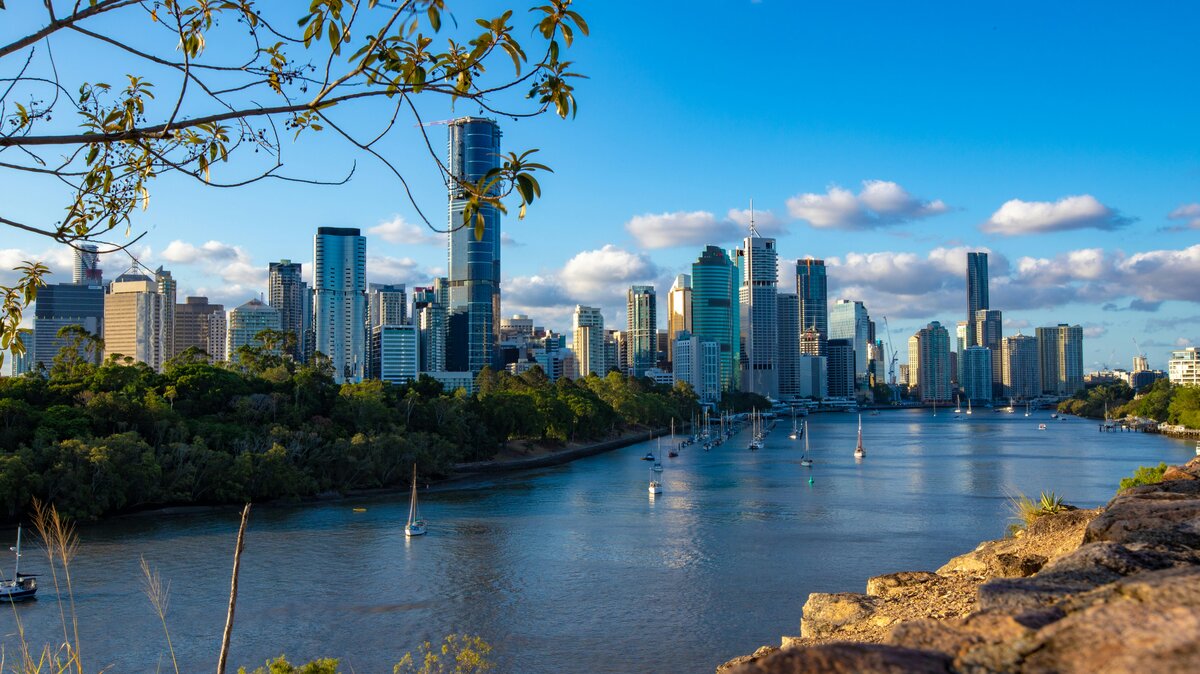
Brisbane’s tap water averages 81 mg/L of hardness, compared to Melbourne’s 18 mg/L. That makes Brisbane’s water roughly 4.5 times harder. If you’ve lived in both cities, you’ve probably noticed the difference at the kettle, the shower screen, or the soap dispenser.
Both cities sit well under the ADWG aesthetic guideline of 200 mg/L, and neither has hardness levels that pose a health concern. But the practical gap between 18 and 81 mg/L is real. Here’s what the data shows and what it means for your home.
Side-by-Side Comparison
| Parameter | Brisbane (metro avg) | Melbourne (metro avg) | ADWG Guideline |
|---|---|---|---|
| Hardness | 81 mg/L | 18 mg/L | 200 mg/L (aesthetic) |
| Range | 53 – 115 mg/L | 15 – 29 mg/L | — |
| Classification | Moderately hard | Soft | — |
| Bulk water authority | Seqwater | Melbourne Water | — |
Brisbane’s moderately hard classification means you’ll notice scale buildup and reduced soap lathering, particularly in inner suburbs. Melbourne’s soft water produces almost no scale, even after months.
Brisbane: Hardness by Supply Zone
Greater Brisbane is served by four main supply zones, each fed by a different treatment plant. The range across zones is substantial.
| Zone | Treatment Plant | Hardness (mg/L) | Classification |
|---|---|---|---|
| Brisbane | Mt Crosby WTP | 114.8 | Moderately hard |
| Redland | Capalaba WTP | 85.2 | Moderately hard |
| Logan | Mt Crosby WTP | 70.2 | Moderately hard |
| Moreton | North Pine WTP | 53.0 | Soft |
The inner Brisbane zone covers about 100 suburbs from Paddington to Sunnybank, all at 114.8 mg/L. Head north to North Lakes or Redcliffe in the Moreton zone and the reading drops to 53 mg/L. Someone in Chermside has water more than twice as hard as someone in North Lakes, even though they’re 20 km apart.
For the full suburb breakdown, see our Brisbane water hardness guide.
Melbourne: Hardness by Supply Zone
Melbourne’s metro water is distributed by three retail utilities: South East Water, Yarra Valley Water, and Greater Western Water. Every metro zone is soft.
| Zone | Utility | Hardness (mg/L) | Classification |
|---|---|---|---|
| Dandenong | South East Water | 15 | Soft |
| Richmond | South East Water | 16 | Soft |
| Kew | Yarra Valley Water | 17 | Soft |
| Coburg/Strathmore | Yarra Valley Water | 18 | Soft |
| Brighton | South East Water | 20 | Soft |
| Eltham | Yarra Valley Water | 29 | Soft |
Eltham at 29 mg/L is Melbourne’s hardest metro zone, and it’s still softer than every zone in Brisbane. The exception is outer Melbourne. Suburbs managed by Greater Western Water like Gisborne (108 mg/L) and Macedon (107 mg/L) draw from groundwater and reach levels comparable to inner Brisbane.
For the full data, see our Melbourne water hardness guide.
Why the Difference?
Geology tells the whole story. Standard water treatment doesn’t significantly change hardness levels in either city.
Brisbane draws most of its supply from Wivenhoe Dam on the Brisbane River. The catchment drains basalt formations and alluvial river flats, rock types that release calcium and magnesium readily. Seqwater’s Mt Crosby Water Treatment Plant treats this mineral-rich water but doesn’t strip out hardness minerals. What enters the plant largely reaches your tap.
Melbourne sources water from protected mountain catchments in the Yarra Ranges. Melbourne Water manages about 157,000 hectares of forested catchment, closed to agriculture and public access. Rainwater filters through shallow soil over mudstone and siltstone, which release very little calcium or magnesium. The water arrives at treatment plants already naturally soft.
What This Means at Home
| Impact | Brisbane (81 mg/L avg) | Melbourne (18 mg/L avg) |
|---|---|---|
| Kettle scale | White buildup within weeks | Minimal, even after months |
| Soap lathering | Reduced, especially in Brisbane zone | Lathers freely |
| Shower screens | Soap scum builds up faster | Easy to keep clean |
| Skin and hair | May feel drier after showering | Softer feel, cleaner rinse |
| Hot water system | Annual flush recommended | Less maintenance needed |
If you’re moving from Melbourne to Brisbane, expect to use a bit more soap and detergent. Your kettle will need descaling every few months. In the inner Brisbane zone (115 mg/L), these effects are more noticeable than in the Moreton zone (53 mg/L).
Moving the other way, you’ll find soap lathers more easily and your kettle stays cleaner for longer. For a broader look at the daily differences, see our hard water vs soft water guide.
Do You Need a Filter?
In Melbourne: A water softener is unnecessary. At 15–29 mg/L, hardness causes no practical problems. If chlorine taste bothers you, a carbon filter is the best option. Check our Melbourne filter recommendations.
In Brisbane: It depends on your zone. In the Moreton zone (53 mg/L), you don’t need a softener. In the inner Brisbane zone (115 mg/L), a reverse osmosis system or water softener is worth considering if persistent scale or dry skin is a concern. For most households, a carbon filter for chloramine taste plus regular descaling is enough. See our Brisbane filter recommendations.
For a detailed filter comparison, see our reverse osmosis vs carbon filters guide.
What You Can Do
- Check your suburb’s reading. Look up your specific suburb for Brisbane or Melbourne to see exact hardness data from your supply zone.
- Test at the tap. A TDS meter ($15–$30 from Bunnings) gives a quick snapshot. For hardness specifically, grab a liquid drop test kit or test strips.
- Choose the right filter. Carbon for taste, reverse osmosis for hardness reduction. Match your filter to your suburb’s water profile with our Brisbane or Melbourne filter pages.
- Descale regularly. Inner Brisbane zone residents should descale kettles quarterly with white vinegar. Melbourne residents can do it once or twice a year.
- Use the hardness calculator to convert between mg/L, ppm, German degrees, and other common scales.
Frequently Asked Questions
Does Brisbane have hard water?
Brisbane has moderately hard water. The inner-city Brisbane zone averages 114.8 mg/L, while northern suburbs in the Moreton zone measure 53 mg/L. The city-wide average is about 81 mg/L, which sits in the moderately hard range (61–120 mg/L). It’s harder than Sydney or Melbourne but softer than Adelaide or Perth.
Is Melbourne water hard or soft?
Melbourne has very soft water. Metro suburbs range from 15 to 29 mg/L, with a city-wide average of 18 mg/L. That’s well under the 60 mg/L soft water threshold. Some outer suburbs managed by Greater Western Water reach up to 108 mg/L, but metro Melbourne is consistently soft.
Is Brisbane water harder than Melbourne?
Yes, by a wide margin. Brisbane averages 81 mg/L compared to Melbourne’s 18 mg/L, roughly 4.5 times harder. Even Brisbane’s softest zone (Moreton at 53 mg/L) is harder than Melbourne’s hardest metro zone (Eltham at 29 mg/L).
Do I need a water softener if I move from Melbourne to Brisbane?
Not necessarily. Brisbane’s water is moderately hard at 53–115 mg/L but still well under the 200 mg/L ADWG aesthetic guideline. If you move to the inner Brisbane zone (115 mg/L), you may notice more scale and less lather. A carbon filter for taste is usually enough. A dedicated water softener is optional and mainly worthwhile for the Brisbane zone.
Why is Melbourne water so much softer than Brisbane?
The difference comes down to geology. Melbourne’s water flows from protected mountain catchments in the Yarra Ranges, where mudstone and siltstone release very little mineral content. Brisbane’s supply comes from Wivenhoe Dam, where basalt and alluvial soils dissolve more calcium and magnesium. Standard treatment doesn’t change hardness levels in either city.
Summary
Brisbane water hardness averages 81 mg/L (moderately hard) while Melbourne averages 18 mg/L (soft). The 4.5x difference is driven by geology: Brisbane’s basalt catchments load the water with minerals that Melbourne’s protected forest catchments don’t. Both cities sit well within ADWG guidelines. Melbourne residents rarely need to think about water hardness. Brisbane residents in the inner zone may benefit from a filter or regular descaling, but a water softener is optional for most households.
Sources
- Seqwater — Monthly Water Quality Reports, Seqwater
- Melbourne Water — Water Quality, Melbourne Water
- NHMRC — Australian Drinking Water Guidelines (ADWG), NHMRC
- WaterScore — Brisbane Water Hardness Data, WaterScore
- WaterScore — Melbourne Water Quality Data, WaterScore
Recommended filters for this topic
Hand-picked Amazon products relevant to this article.

iSpring
RCC7AK 6-Stage Under-Sink RO (with Alkaline Re-min)
4.6 · 13,756 ratings on Amazon

Berkey
Royal 3.25 Gal (with Fluoride Filters)
4.5 · 1,628 ratings on Amazon
Disclaimer: This article is for general informational purposes only and does not constitute medical advice, health recommendations, or professional guidance of any kind. Data referenced may not reflect current water conditions. For specific concerns about your drinking water, consult your local water utility, a licensed water testing laboratory, or a health professional. See our Terms of Use.
Written by

Water Infrastructure Analyst
Civil engineer and former SA Water/Melbourne Water analyst specialising in comparative water quality.
Reviewed by

Environmental Health Writer
Science journalist covering water infrastructure and environmental health across Australia.
What You Can Do
Check the water quality in your area and find the right filter for your needs.
Sponsored Amazon link. Check Amazon for current price and availability.
Related Articles
Australia's Hardest Water Suburbs: Where Limescale Wins
Hardest water suburbs in Australia ranked with actual mg/L readings. See the 20 suburbs exceeding ADWG guidelines and what limescale means for your home.
Water Hardness in Brisbane: Suburb-by-Suburb Data
Brisbane water hardness ranges from 53 to 115 mg/L across supply zones. Check suburb-by-suburb data for every area in Greater Brisbane and South East QLD.
Water Hardness in Melbourne: Suburb-by-Suburb Data
Melbourne water hardness runs 8 to 108 mg/L — soft in the east, moderately hard in the north-west. Check the figure for your suburb and supply zone.