Reverse Osmosis vs Carbon Filters: Which Is Right for You?
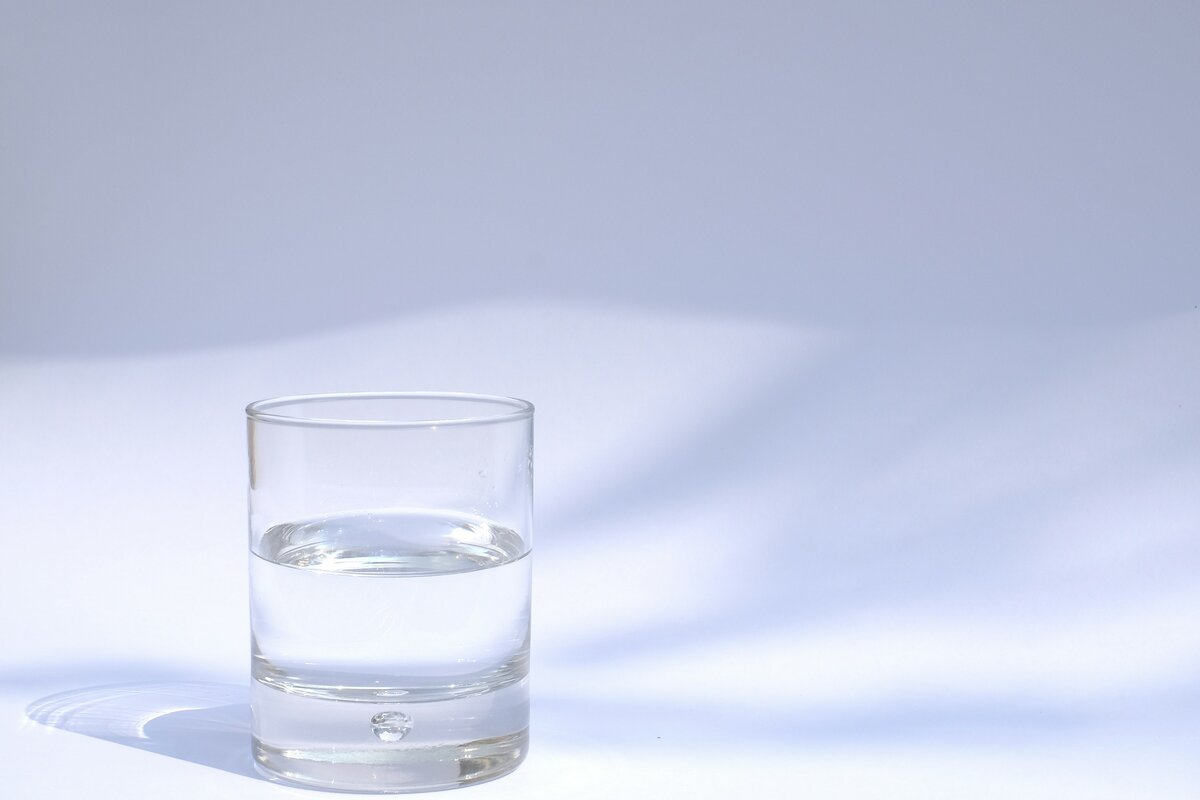
If you are comparing a reverse osmosis vs carbon filter for your home, you are asking the right question. These two technologies dominate the Australian residential water filter market, but they solve different problems. A carbon filter targets taste and odour. A reverse osmosis system removes dissolved solids, hardness minerals, and a wider range of contaminants. The right choice depends on what is actually in your tap water, and that varies dramatically across Australian suburbs.
This guide breaks down how each technology works, what it removes, what it costs, and when each one makes sense. We use real water quality data from Australian utilities to help you decide.
How Carbon Filters and Reverse Osmosis Systems Work
Understanding the technology behind each filter type explains why they remove different contaminants.
Activated carbon filtration
Carbon filters use granular or block activated carbon, typically made from coconut shell, to adsorb chemicals from water. As water passes through the carbon, chlorine, chloramine, volatile organic compounds (VOCs), and some pesticides bind to the carbon surface. The process is called adsorption: contaminants stick to the carbon rather than being physically blocked.
Carbon filters come in several forms: benchtop jugs, under-sink cartridges, inline fridge filters, and whole-house units. They do not change the mineral content of water, which means hardness, TDS, fluoride, and dissolved metals pass through unchanged.
Reverse osmosis filtration
Reverse osmosis (RO) pushes water through a semi-permeable membrane with pores around 0.0001 microns, small enough to block dissolved ions, molecules, and particles. The membrane rejects up to 99% of dissolved solids, including calcium, magnesium, sodium, lead, PFAS, fluoride, and nitrate.
Most under-sink RO systems are multi-stage units that include a sediment pre-filter, a carbon pre-filter (to protect the membrane from chlorine damage), the RO membrane itself, and a carbon post-filter for final polishing. Some models add a remineralisation stage to restore calcium and magnesium for taste.
Reverse Osmosis vs Carbon Filter: Side-by-Side Comparison
This table compares the two filter types across the factors that matter most when choosing between a reverse osmosis vs carbon filter system.
| Factor | Carbon Filter | Reverse Osmosis |
|---|---|---|
| Chlorine removal | Yes (95%+) | Yes (via carbon pre-filter) |
| Hardness removal | No | Yes (90–99%) |
| TDS reduction | No | Yes (90–99%) |
| Fluoride removal | No | Yes (90–95%) |
| PFAS removal | Some (carbon block only) | Yes (95%+) |
| Bacteria removal | No | Yes |
| Upfront cost | $30–$400 | $300–$800 |
| Annual cartridge cost | $40–$120 | $100–$200 |
| Wastewater | None | 2–4 L per 1 L filtered |
| Installation | Simple (DIY for most) | Under-sink plumbing (professional recommended) |
| Flow rate | High (standard tap pressure) | Slow (fills a tank, then dispenses) |
| Cartridge replacement | Every 3–12 months | Membrane every 12–24 months; pre-filters every 6–12 months |
| Mineral retention | Yes (minerals pass through) | No (removes minerals unless remineralised) |
The key difference: carbon filters improve taste and remove chemical disinfectants, while RO systems strip nearly everything from the water. Carbon is simpler, cheaper, and wastes no water. RO is more thorough but comes with higher costs and water waste.
When a Carbon Filter Is Enough
For the majority of Australian households on mains water, an activated carbon filter is all you need. Here is when carbon makes sense.
Your water is soft
If your suburb’s hardness is under 60 mg/L, there is no limescale problem to solve. Carbon handles the chlorine taste without removing the beneficial minerals already in your water. This covers most of Sydney (28–58 mg/L), Melbourne (8–29 mg/L in most zones), Hobart, and Canberra.
Check your suburb’s hardness on WaterScore or use the water hardness calculator to see where your water sits.
Your main concern is chlorine taste
Chlorine in Australian tap water ranges from barely detectable to 2.2 mg/L, all well within the ADWG health guideline of 5 mg/L. A carbon filter removes more than 95% of free chlorine and significantly reduces the swimming-pool taste and odour.
Brisbane households should look for a carbon filter rated for chloramine removal. South East Queensland uses monochloramine at levels averaging 2.80 mg/L, the highest nationally. Catalytic carbon is more effective than standard activated carbon at breaking down chloramine.
You want a low-maintenance, affordable option
A benchtop carbon jug costs as little as $30. An under-sink carbon cartridge system runs $150 to $400 installed. Cartridge replacement every 6 to 12 months costs $40 to $120 per year. There is no wastewater, no electricity needed, and no complex plumbing. For renters, a benchtop jug or gravity-fed carbon filter requires zero installation.
When Reverse Osmosis Is Worth the Investment
RO systems cost more and waste water, but they solve problems that carbon filters cannot. Here is when RO is the right choice.
Your water is hard or very hard
Water above 120 mg/L hardness is classified as hard, and above 200 mg/L is very hard. At these levels, limescale builds up on kettles, hot water systems, and taps. Carbon filters do nothing for hardness. An RO system removes 90 to 99% of calcium and magnesium at the point of use.
Adelaide’s metro supply ranges from 87 to 136 mg/L (moderate to hard). Regional South Australia is where the numbers get extreme: Padthaway records 602 mg/L and Geranium reaches 575 mg/L, more than three times the ADWG aesthetic guideline. Perth’s outer regions also exceed the guideline, with Great Southern reaching 373 mg/L. For these areas, RO is not optional, it is practical.
For the full picture, see our ranked list of Australia’s hardest water suburbs.
You want to remove fluoride
Standard carbon filters do not remove fluoride. If you prefer to reduce fluoride in your drinking water, RO removes 90 to 95% of it. Australian fluoride levels (0.6–1.0 mg/L in most cities) are within the ADWG health guideline of 1.5 mg/L, so this is a personal preference rather than a safety concern.
You are concerned about PFAS or trace contaminants
PFAS (per- and polyfluoroalkyl substances) and other trace contaminants like trihalomethanes are present at low levels in some water supplies. While Australian readings are within guidelines, households near airports, defence sites, or industrial areas may want additional protection. An RO membrane blocks PFAS at 95% or higher removal rates. Carbon block filters also reduce PFAS, but RO is more consistent.
Your TDS is elevated
Total dissolved solids above 600 mg/L (the ADWG aesthetic guideline) affect taste and can leave residue. SA Water zones in the Limestone Coast and Eyre Peninsula regions record TDS above 900 mg/L. Perth’s outer zones reach 1,371 mg/L. An RO system is the only point-of-use filter that meaningfully reduces TDS.
What Australian Water Data Tells You About Choosing a Filter
Your suburb’s water profile determines which filter makes sense. Here is how the two technologies map to Australian capital cities based on utility data in the WaterScore database.
| City | Hardness Range | TDS Range | Recommended Filter | Why |
|---|---|---|---|---|
| Sydney | 28–58 mg/L (soft) | 46–158 mg/L | Carbon | Soft water, low TDS. Carbon handles chlorine. Check your suburb |
| Melbourne | 8–108 mg/L (soft to moderate) | — | Carbon | Very soft in most zones. No hardness problem. Check your suburb |
| Adelaide metro | 87–136 mg/L (moderate) | 25–340 mg/L | Carbon or RO | Metro is moderate. RO for households above 120 mg/L. Check your suburb |
| Adelaide regional | 200–602 mg/L (hard to very hard) | 400–976 mg/L | RO | Extreme hardness. Carbon will not help with limescale. |
| Brisbane | 34–115 mg/L (soft to moderate) | — | Carbon (catalytic) | High chloramine. Choose a filter rated for chloramine removal. |
| Perth metro | 14–109 mg/L (soft to moderate) | 44–350 mg/L | Carbon | Metro water is manageable with carbon. Check your suburb |
| Perth outer | 109–373 mg/L (hard to very hard) | 350–1,371 mg/L | RO | Outer regions exceed ADWG guidelines for hardness and TDS. |
| Hobart | 6–153 mg/L (soft) | — | Carbon if desired | Clean, soft water. Filtration is optional. |
| Darwin | 0–549 mg/L (variable) | — | Carbon for city; RO for remote | Remote NT towns have extreme hardness. Darwin city is moderate. |
The pattern is clear: soft-water cities need nothing more than carbon. Hard-water regions need RO for the drinking water tap and potentially a whole-house water softener for showers and appliances. For a broader look at filter types beyond these two, see our guide to the best water filters for Australian tap water.
Using Both: When a Combined System Makes Sense
You do not have to choose one or the other. Most RO systems already include carbon filters as part of their multi-stage design. The carbon pre-filter protects the RO membrane from chlorine damage (chlorine degrades thin-film composite membranes), while the carbon post-filter polishes the taste of the filtered water.
For households in hard water areas like Adelaide or regional WA, running a dedicated carbon filter on additional taps (kitchen, fridge) alongside an under-sink RO system for drinking water can be a practical compromise. The carbon filters are cheap to maintain and handle the chlorine taste on taps where you do not need full TDS reduction.
What You Can Do
-
Check your suburb’s water quality. Search your suburb on WaterScore to see measured values for hardness, chlorine, TDS, and other parameters. If hardness is under 60 mg/L and TDS under 300 mg/L, a carbon filter is likely sufficient.
-
Match the filter to the problem. Use the comparison table above to identify which contaminants matter in your area. If your only concern is chlorine taste, do not pay for RO. If your hardness exceeds 120 mg/L or TDS exceeds 600 mg/L, RO is the practical choice.
-
Consider the total cost. A carbon filter costs $30 to $400 upfront and $40 to $120 per year in cartridges. An RO system costs $300 to $800 upfront and $100 to $200 per year, plus additional water costs from wastewater. Over five years, a carbon filter costs roughly $230 to $1,000 total versus $800 to $1,800 for RO.
-
Check for Australian certification. Look for filters compliant with AS/NZS 4348 and WaterMark certified for plumbed-in systems. NSF/ANSI 42 covers taste and odour reduction (carbon), while NSF/ANSI 58 covers RO system performance.
-
Ask your water utility. Sydney Water, SA Water, Melbourne Water, and other utilities publish annual water quality reports. These confirm what is in your water and help you decide whether a reverse osmosis vs carbon filter is the right comparison for your situation.
Frequently Asked Questions
Is reverse osmosis better than a carbon filter for Australian tap water?
It depends on your water quality. For most Australian households on soft mains water (under 60 mg/L hardness), a carbon filter handles chlorine taste and odour effectively at a fraction of the cost. Reverse osmosis is the better choice if your suburb has hard water above 120 mg/L, elevated TDS, or if you want to remove fluoride and trace contaminants like PFAS.
Does a carbon filter remove hardness from tap water?
No. Activated carbon filters do not remove calcium and magnesium, the minerals that cause water hardness and limescale. If your water hardness exceeds 120 mg/L, you need a reverse osmosis system for drinking water or an ion-exchange water softener for whole-house treatment. See our guide to hard water vs soft water for more on how hardness affects your home.
How much water does a reverse osmosis system waste?
A standard under-sink RO system produces two to four litres of wastewater for every litre of filtered water. High-efficiency models reduce this to a 1:1 ratio. In a household filtering 10 litres of drinking water per day, a standard RO system would use an extra 20 to 40 litres daily. This is worth factoring into your water bill, particularly in drought-prone areas.
Can I use a carbon filter and reverse osmosis together?
Yes, and most RO systems already include carbon pre-filters and post-filters as standard. The carbon stage removes chlorine and chloramine before water reaches the RO membrane, which extends the membrane’s lifespan. A combined system gives you the broadest contaminant removal across chemical, mineral, and microbial categories.
What is cheaper to run: reverse osmosis or a carbon filter?
Carbon filters are significantly cheaper. Annual cartridge costs run between $40 and $120 for carbon versus $100 to $200 for reverse osmosis. RO systems also add to your water bill through wastewater. Over five years, a carbon filter costs roughly $230 to $1,000 total (including the unit), while an RO system runs $800 to $1,800. For households on soft, clean mains water, a carbon filter delivers excellent value without the extra cost.
Summary
The reverse osmosis vs carbon filter decision comes down to your water quality. If your suburb has soft water under 60 mg/L hardness and your main concern is chlorine taste, a carbon filter is the simpler, cheaper, and more water-efficient choice. If you live in a hard water area like Adelaide, regional SA, or Perth’s outer zones, or you want to remove fluoride, PFAS, or elevated TDS, a reverse osmosis system handles what carbon cannot.
Check your suburb on WaterScore, compare it to the ADWG guidelines, and use the comparison table above to match the right filter to your water. For suburb-specific filter recommendations, visit your best water filter page or explore our full water filter guide.
Sources
- National Health and Medical Research Council, Australian Drinking Water Guidelines 6, Version 3.9, NHMRC, Canberra, 2024.
- SA Water, Water Quality Performance Results November 2025, SA Water, Adelaide, 2025.
- Sydney Water, Water Quality Report 2024–25, Sydney Water Corporation, Sydney, 2025.
- Water Services Association of Australia, Occasional Paper 34: Membrane Performance and Monitoring, WSAA, Melbourne, 2023.
- Standards Australia, AS/NZS 4348: Water Supply — Domestic type water treatment appliances, Standards Australia, Sydney, 2024.
- NSF International, NSF/ANSI 58: Reverse Osmosis Drinking Water Treatment Systems, NSF International, Ann Arbor, 2023.
- CHOICE, Water Filter Reviews and Buying Guide, CHOICE Reviews, 2025.
- World Health Organization, Calcium and Magnesium in Drinking-water: Public Health Significance, WHO, Geneva, 2009.
Recommended filters for this topic
Hand-picked Amazon products relevant to this article.

Philips
Water Filter Jug 3.4L (X-Clean)
3.5 · 6 ratings on Amazon
Budget pick — ideal for chlorine, taste, and general soft-water areas.

Waterdrop
TSA Under-Sink Filter (Fluoride + PFAS)
4.4 · 2,237 ratings on Amazon
Best for fluoride + PFAS removal — NSF/ANSI 42 certified.

Waterdrop
WD-C1H Countertop RO (Hot & Ambient)
4.4 · 32 ratings on Amazon
Top pick for hard-water cities — removes 90%+ of dissolved minerals.

Berkey
Travel Water Filter (2× Black Elements)
4.5 · 3,034 ratings on Amazon
Gravity-fed — no plumbing, great for renters and travel.
Disclaimer: This article is for general informational purposes only and does not constitute medical advice, health recommendations, or professional guidance of any kind. Data referenced may not reflect current water conditions. For specific concerns about your drinking water, consult your local water utility, a licensed water testing laboratory, or a health professional. See our Terms of Use.
Written by

Environmental Health Writer
Science journalist covering water infrastructure and environmental health across Australia.
What You Can Do
Check the water quality in your area and find the right filter for your needs.
Sponsored Amazon link. Check Amazon for current price and availability.
Related Articles
Best Water Filter Australia (2026): Top Picks for Tap Water
Best water filter Australia 2026: six ranked picks for chlorine taste, hard water, PFAS and renters, matched to real suburb data from Australian utilities.
Water Filter Sydney: Do You Need One and Which Is Best?
Looking for a water filter in Sydney? We break down what's actually in your tap water, chloramine vs chlorine zones, and the best filter for your suburb.
Water Filter Melbourne: Do You Need One and Which Is Best?
Do you need a water filter in Melbourne? We break down hardness by zone, chlorine vs chloramine suburbs, and the best water filter for Melbourne tap water.