Does Brisbane Have Hard Water?
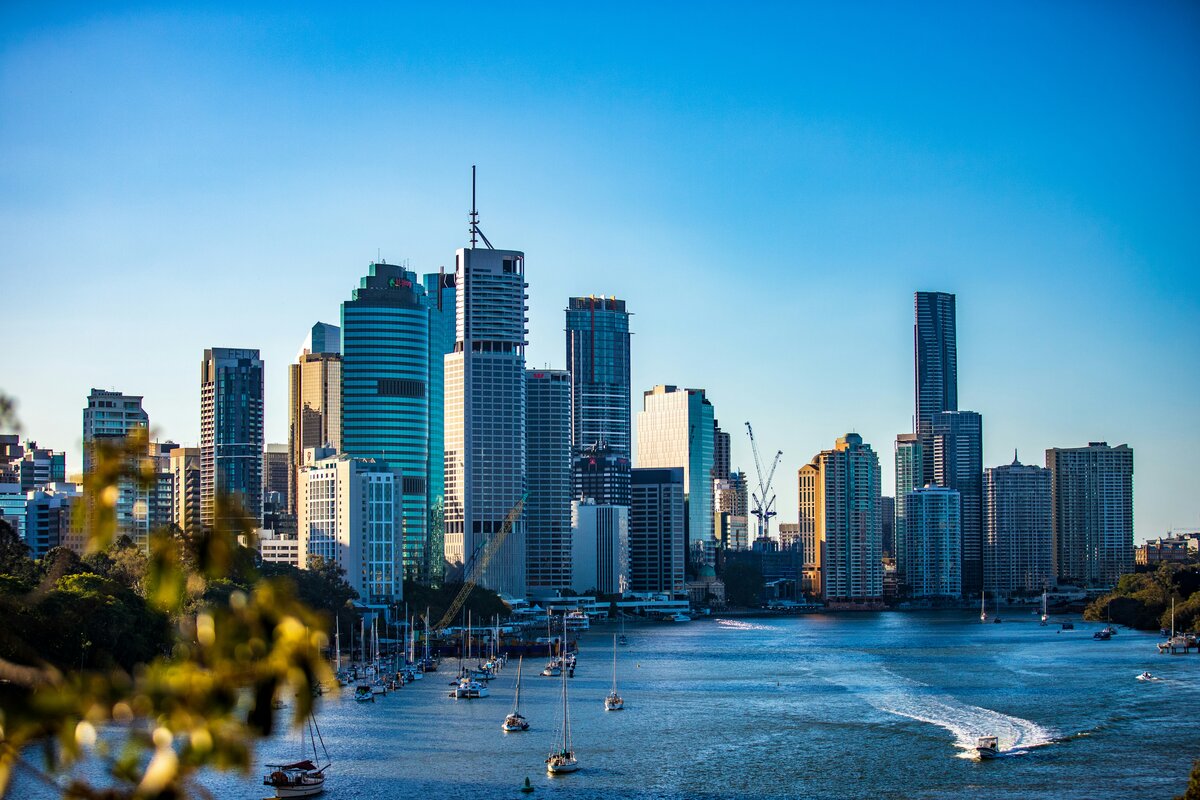
Yes. Brisbane has moderately hard water in most suburbs, and in the inner city it’s some of the hardest water of any east coast capital.
Hardness in Brisbane ranges from 53 mg/L in the northern suburbs to 114.8 mg/L in the Brisbane central zone. The city-wide average across Greater Brisbane sits around 81 mg/L, which puts Brisbane firmly in the “moderately hard” category. That’s nearly twice the hardness of Sydney and roughly four times Melbourne.
If you’ve moved to Brisbane from Melbourne or Sydney and noticed white scale creeping onto your kettle, or shampoo not lathering the way it used to, you’re not imagining things. Here’s how hard Brisbane’s water actually is, why it varies so much across the city, and what it means for your home.
How Hard Is Brisbane’s Water?
Brisbane’s tap water is distributed through four main supply zones, each served by a different treatment plant. Hardness varies significantly depending on which zone feeds your address:
| Supply Zone | Treatment Plant | Hardness (mg/L) | Classification |
|---|---|---|---|
| Brisbane | Mt Crosby WTP | 114.8 | Moderately hard |
| Redland | Capalaba WTP | 85.2 | Moderately hard |
| Logan | Mt Crosby WTP | 70.2 | Moderately hard |
| Moreton | North Pine WTP | 53.0 | Soft |
Average across Greater Brisbane: 80.8 mg/L.
The Brisbane supply zone is the biggest and includes about 100 inner and middle-ring suburbs. Everyone from Paddington and New Farm to Sunnybank and Annerley gets the same 114.8 mg/L water from Mt Crosby Water Treatment Plant.
Head 20 kilometres north to North Lakes or Redcliffe, and the hardness drops to 53 mg/L — soft water, comparable to Sydney. Same city, very different water.
Brisbane vs Other Australian Cities
Here’s where Brisbane sits on the Australian hardness spectrum:
| City | Average Hardness (mg/L) | Classification |
|---|---|---|
| Melbourne | 18 | Soft |
| Gold Coast | 34 | Soft |
| Canberra | 38 | Soft |
| Sydney | 43 | Soft |
| Brisbane (metro) | 81 | Moderately hard |
| Adelaide | 103 | Moderately hard |
| Perth | 150+ | Hard to very hard |
Brisbane is the hardest of the eastern capitals and the only one classified as moderately hard overall. Someone in Toowong is drinking water closer in character to Adelaide’s than to Sydney’s, despite being on the east coast. It’s a geological quirk more than anything else.
Why Brisbane’s Water Is Harder
Most of Brisbane’s water starts in Wivenhoe Dam on the Brisbane River. The catchment drains a mix of basalt formations and alluvial river flats, and those volcanic and sedimentary rocks are rich in calcium and magnesium. As rainfall runs off the landscape, it dissolves those minerals and carries them into the dam.
The Mt Crosby Water Treatment Plant has been pulling raw water from this source since 1893. Standard treatment — coagulation, filtration, chloramine disinfection, fluoride addition — doesn’t remove mineral content. What arrives at the plant largely arrives at your tap.
North Pine Dam tells a different story. Its catchment sits on sandstone geology with far lower mineral content, so the water leaves the plant at just 53 mg/L. That’s why suburbs like Redcliffe, Caboolture, and Bribie Island get softer water than the rest of the city. The geological boundary between the two catchments explains nearly all of the Brisbane water hardness variation you see across the metro area.
For the wider South East Queensland picture, see our full Brisbane water hardness suburb-by-suburb breakdown.
What Moderately Hard Water Means for Your Home
At 53–115 mg/L, Brisbane’s water sits in the range where hardness starts having noticeable effects in daily life — especially in the Brisbane and Redland zones.
Scale on kettles and appliances. In the inner Brisbane zone, white limescale builds up on kettle elements, tap aerators, and showerheads over a few months. A quarterly descale with white vinegar keeps things running properly. Hot water systems are more affected because heating accelerates mineral deposition. In the Moreton zone at 53 mg/L, scale buildup is minimal.
Soap and cleaning. Hard water reacts with soap to form scum, so dishwashing liquid, shampoo, and laundry detergent all lather less easily. Shower screens develop film faster. Many Brisbane residents end up using slightly more dishwasher detergent than they would in Sydney.
Skin and hair. People with sensitive skin or eczema sometimes notice that Brisbane’s moderately hard water feels less gentle than soft water. The residue from calcium and magnesium can leave hair feeling heavier.
Taste. At 53–115 mg/L, Brisbane’s water has a faint mineral character rather than the neutral taste of Melbourne or Sydney water. Most people find it clean and perfectly pleasant, especially since SEQ uses chloramine disinfection, which produces less of the pool-water taste that free chlorine can create.
Do You Need a Water Softener?
It depends on your zone.
Brisbane zone (115 mg/L): A softener is optional but worth considering if scale buildup on appliances bothers you, or if you have sensitive skin. For drinking water, a reverse osmosis system reduces hardness along with chloramine and other dissolved solids. Benchtop RO systems start from around $200–$350.
Redland zone (85 mg/L) and Logan zone (70 mg/L): Softeners are overkill for most households. A carbon filter handles taste and a regular kettle descale is cheaper than installing whole-house treatment.
Moreton zone (53 mg/L): You don’t need a softener. If chloramine taste bothers you, a carbon filter is all you need.
Standard carbon filters handle chloramine taste and odour but do not remove hardness minerals. For hardness reduction you need either an ion-exchange softener (whole-house) or reverse osmosis (point-of-use). See our reverse osmosis vs carbon filters comparison for the trade-offs.
What You Can Do
- Look up your suburb’s exact reading on WaterScore’s Brisbane water hardness page to confirm which zone serves your address.
- Use the water hardness calculator to convert between mg/L, ppm, and German degrees if you’re comparing to overseas filter specs.
- Test at home. A TDS meter from Bunnings ($15–$30) gives you a quick read on dissolved solids. For hardness specifically, grab a liquid drop test kit.
- Descale regularly if you’re in the Brisbane or Redland zones. A quarterly kettle descale keeps elements efficient.
- Match a filter to your zone. See our best water filter for Brisbane for recommendations based on your suburb’s water profile.
- Contact your retailer. Urban Utilities publishes water quality data and can send a report for your specific address.
Frequently Asked Questions
Does Brisbane have hard or soft water?
Brisbane has moderately hard water in most metro suburbs. The inner Brisbane supply zone averages 114.8 mg/L, while the northern Moreton zone averages 53 mg/L. The city-wide average sits around 81 mg/L, putting Brisbane in the moderately hard classification.
Is Brisbane water harder than Sydney or Melbourne?
Yes. Brisbane’s metro average is about 81 mg/L, compared to Sydney at 43 mg/L and Melbourne at 18 mg/L. Brisbane’s hardest zone (114.8 mg/L) is nearly three times harder than Sydney’s hardest suburb and over six times harder than most of Melbourne.
Why does Brisbane have hard water?
Brisbane draws most of its water from Wivenhoe Dam via the Mt Crosby treatment plant. The Brisbane River catchment drains basalt and alluvial soils that release calcium and magnesium into the water supply. Softer northern suburbs are served by North Pine Dam, which sits on a sandstone catchment with lower mineral content.
Do I need a water softener in Brisbane?
For most suburbs, no. Brisbane’s water is moderately hard but well under the 200 mg/L ADWG aesthetic guideline. If you live in the inner Brisbane zone at 115 mg/L and deal with persistent scale on kettles and showerheads, a softener or reverse osmosis system may be worth considering. For Moreton zone suburbs at 53 mg/L, it’s unnecessary.
Is Brisbane’s hard water safe to drink?
Yes. Water hardness is an aesthetic parameter, not a health risk. Calcium and magnesium in hard water contribute to dietary mineral intake. Brisbane’s tap water meets all ADWG health-based guidelines and is safe to drink straight from the tap.
Summary
So, does Brisbane have hard water? Yes, but how hard depends on where you live. Inner suburbs served by Mt Crosby get moderately hard water at 114.8 mg/L, while the northern Moreton zone gets soft water at just 53 mg/L. For most of the city, you’ll notice scale on appliances and slightly reduced soap lathering, but the water is safe, within guidelines, and nothing to worry about. A quarterly descale and a carbon filter for taste cover most households.
Sources
- Seqwater — Monthly Water Quality Reports, Seqwater
- Urban Utilities — Drinking Water Quality, Urban Utilities
- NHMRC — Australian Drinking Water Guidelines, NHMRC
- WHO — Hardness in Drinking-Water: Background Document, WHO
- WaterScore — Brisbane Water Quality Data, WaterScore
Recommended filters for this topic
Hand-picked Amazon products relevant to this article.

iSpring
RCC7AK 6-Stage Under-Sink RO (with Alkaline Re-min)
4.6 · 13,756 ratings on Amazon

Berkey
Royal 3.25 Gal (with Fluoride Filters)
4.5 · 1,628 ratings on Amazon
Disclaimer: This article is for general informational purposes only and does not constitute medical advice, health recommendations, or professional guidance of any kind. Data referenced may not reflect current water conditions. For specific concerns about your drinking water, consult your local water utility, a licensed water testing laboratory, or a health professional. See our Terms of Use.
Written by

Environmental Health Writer
Science journalist covering water infrastructure and environmental health across Australia.
Reviewed by

Water Infrastructure Analyst
Civil engineer and former SA Water/Melbourne Water analyst specialising in comparative water quality.
What You Can Do
Check the water quality in your area and find the right filter for your needs.
Sponsored Amazon link. Check Amazon for current price and availability.
Related Articles
Water Hardness in Brisbane: Suburb-by-Suburb Data
Brisbane water hardness ranges from 53 to 115 mg/L across supply zones. Check suburb-by-suburb data for every area in Greater Brisbane and South East QLD.
Brisbane vs Melbourne Water Hardness Compared
Brisbane's water is over 4x harder than Melbourne's at 81 mg/L vs 18 mg/L. See zone-by-zone data, practical impacts and filter advice for both cities.
Water Hardness on the Gold Coast: Suburb-by-Suburb Data
Gold Coast water hardness is soft at 35 to 45 mg/L across 124 suburbs, rising to 66 to 90 mg/L in the Logan-fed north. See every zone, why it is soft, and what it means at home.