Water Hardness in Sydney: Suburb-by-Suburb Data
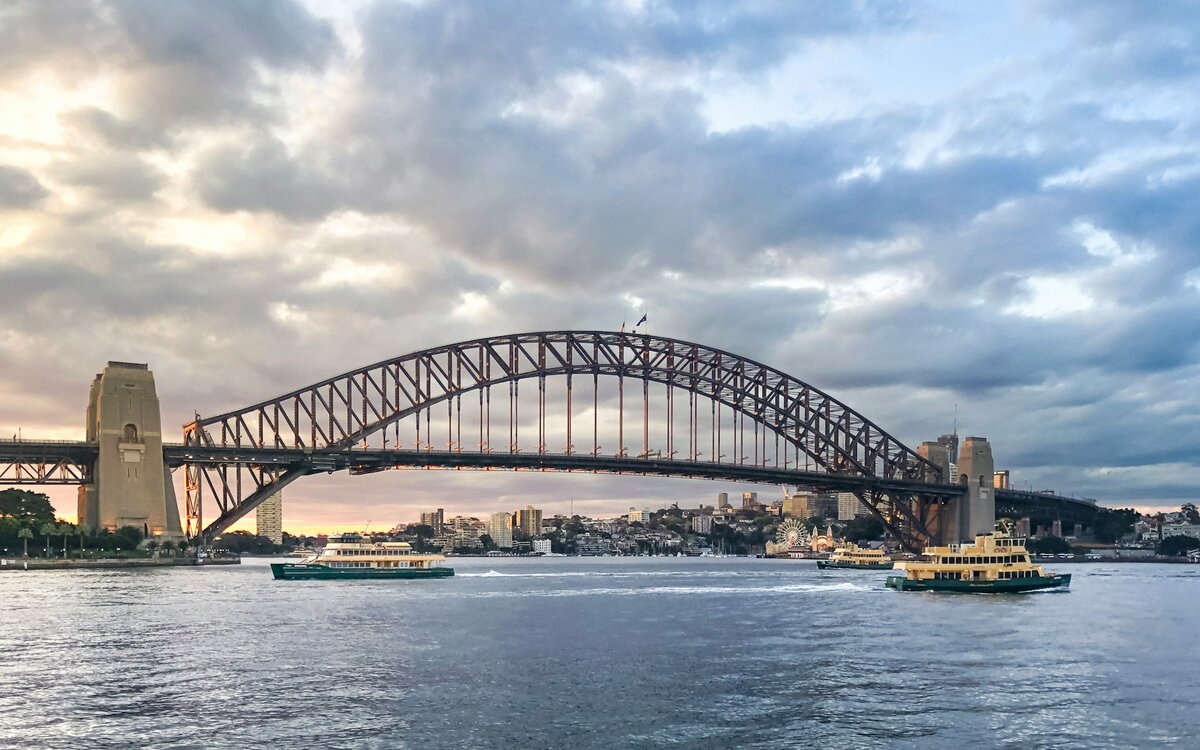
Sydney sits on some of the softest tap water in Australia. With hardness levels ranging from 30 to 58 mg/L, every suburb in Greater Sydney falls within the “soft” classification and well under the ADWG aesthetic guideline of 200 mg/L. But water hardness in Sydney isn’t uniform across the city. Depending on which supply zone feeds your tap, you could be drinking water that’s nearly twice as hard as someone on the other side of town.
We’ve pulled the latest quarterly data from Sydney Water to break down hardness by supply zone and suburb, so you know exactly what’s coming out of your tap.
What Is Water Hardness?
Water hardness measures the concentration of dissolved calcium and magnesium minerals, expressed as mg/L of calcium carbonate (CaCO3). These minerals dissolve into water as it passes through rock and soil before reaching a reservoir.
The standard classification used in Australia:
| Classification | Hardness (mg/L CaCO3) |
|---|---|
| Soft | 0 – 60 |
| Moderately hard | 61 – 120 |
| Hard | 121 – 180 |
| Very hard | 181+ |
The ADWG sets an aesthetic guideline of 200 mg/L. This isn’t a health limit. Hard water is safe to drink. But above this level you may notice taste changes, scale buildup, and reduced soap lathering.
For a deeper look at how these classifications affect daily life, see our hard water vs soft water guide.
Sydney Water Hardness in mg/L (Calcium Carbonate)
When you see hardness reported in mg/L, the figure represents milligrams per litre of calcium carbonate equivalent (CaCO3). This is the standard unit used by Sydney Water, the ADWG, and water utilities across Australia. It combines both calcium and magnesium into a single number, making it easy to compare readings between suburbs and cities.
Sydney’s water hardness in mg/L calcium carbonate ranges from 30.5 (Nepean zone) to 57.7 (Orchard Hills zone), with a city-wide average of 43.4 mg/L CaCO3. Every zone falls comfortably within the “soft” classification of 0–60 mg/L.
If you need to convert between mg/L CaCO3 and other scales — such as German degrees (°dH), grains per gallon (gpg), or French degrees (°fH) — use our water hardness calculator.
Sydney Water Hardness by Supply Zone
Sydney Water operates 13 supply zones, each fed by different treatment plants and source water. Here’s the latest hardness data for each zone (Q4 FY2024–25):
| Supply Zone | Hardness (mg/L) | pH | TDS (mg/L) | Classification |
|---|---|---|---|---|
| Orchard Hills | 57.7 | 7.8 | 158 | Soft |
| Prospect East | 51.8 | 7.9 | 137 | Soft |
| Prospect South | 50.7 | 7.9 | 137 | Soft |
| Prospect North | 49.9 | 7.9 | 137 | Soft |
| Ryde | 49.3 | 7.8 | 137 | Soft |
| Potts Hill | 48.3 | 7.8 | 137 | Soft |
| Warragamba | 44.4 | 7.7 | 136 | Soft |
| North Richmond | 39.1 | 7.8 | 145 | Soft |
| Cascade | 38.1 | 7.7 | 93 | Soft |
| Woronora | 37.4 | 7.7 | 106 | Soft |
| Macarthur | 34.9 | 7.6 | 126 | Soft |
| Illawarra | 32.6 | 7.8 | 72 | Soft |
| Nepean | 30.5 | 7.7 | 65 | Soft |
Average across all zones: 43.4 mg/L. Comfortably soft.
The range from 30.5 to 57.7 mg/L means Sydney’s hardest water (Orchard Hills, serving western suburbs like Penrith) is still well under the threshold for “moderately hard” water at 60 mg/L.
Which Suburbs Have the Hardest and Softest Water?
Your water hardness depends on which supply zone serves your address. Here’s how it maps to Sydney’s major suburbs.
Hardest water in Sydney (45–58 mg/L):
| Suburb | Supply Zone | Hardness (mg/L) |
|---|---|---|
| Penrith, St Marys, Kingswood | Orchard Hills | 57.7 |
| Burwood, Newtown, Marrickville | Prospect East | 51.8 |
| Liverpool, Bankstown, Auburn | Prospect South | 50.7 |
| Blacktown, Parramatta, Castle Hill | Prospect North | 49.9 |
| Sydney CBD, Manly, Chatswood | Ryde | 49.3 |
| Bondi, Randwick, Hurstville | Potts Hill | 48.3 |
Softest water in Sydney (30–38 mg/L):
| Suburb | Supply Zone | Hardness (mg/L) |
|---|---|---|
| Camden, Elderslie, Oran Park | Nepean | 30.5 |
| Wollongong, Thirroul | Illawarra | 32.6 |
| Campbelltown, Ingleburn | Macarthur | 34.9 |
| Cronulla, Sutherland | Woronora | 37.4 |
The pattern is straightforward. Suburbs supplied from Prospect-based treatment plants, which draw primarily from Warragamba Dam, tend to have slightly higher mineral content. Southern and south-western suburbs supplied by smaller catchments produce softer water.
Not sure which zone supplies your home? Check your suburb’s water quality report for exact readings.
Why Sydney’s Water Is So Soft
Sydney’s water hardness comes down to geology. The city’s main supply, Warragamba Dam and the wider catchment, sits on sandstone in the Blue Mountains and Southern Highlands. Sandstone is low in calcium and magnesium, so the water picks up few hardness minerals as it flows through the catchment.
Compare this to Adelaide, where much of the supply comes from the Murray River. That water flows through limestone country and picks up heavy mineral loads along the way, pushing Adelaide’s average hardness above 100 mg/L. Or parts of Queensland, where bore water from mineral-rich aquifers drives hardness well above 100 mg/L in some zones.
Sydney Water also uses conventional treatment (coagulation, filtration, disinfection with chlorine and chloramine) that doesn’t add significant mineral content. The result is consistently soft water across the entire network, year after year.
How Sydney Compares to Other Australian Cities
Sydney’s water hardness is among the lowest of any major Australian city:
| City | Hardness Range (mg/L) | Average (mg/L) | Classification |
|---|---|---|---|
| Melbourne | 8 – 108 | 31 | Soft to moderately hard |
| Canberra | 37 – 39 | 38 | Soft |
| Sydney | 30 – 58 | 43 | Soft |
| Darwin | 39 – 71 | ~55 | Soft |
| Brisbane (SEQ) | 34 – 115 | 68 | Soft to moderately hard |
| Adelaide (metro) | 87 – 136 | 103 | Moderately hard |
| Perth | 80 – 300+ | varies | Moderately hard to very hard |
Sydney’s hardest suburb (Penrith at 58 mg/L) is softer than Adelaide’s softest metro zone (87 mg/L). If you’ve moved to Sydney from Adelaide or Perth, you’ll notice the difference fast: more soap lather, less scale on your kettle, and softer-feeling water on your skin.
For a detailed city comparison, see our Brisbane vs Sydney water quality analysis.
What Soft Water Means for Your Home
With Sydney’s soft water, you’re unlikely to see the problems common in hard water areas.
Appliances and plumbing. Scale buildup is minimal. Your kettle, dishwasher, and hot water system won’t accumulate the thick limescale deposits common in Adelaide or Perth. You should still descale appliances occasionally, but it’s a yearly job rather than a monthly one.
Soap and cleaning. Soft water lathers easily. You’ll use less soap, shampoo, and detergent compared to someone in a hard water area. Soap scum on shower screens and basins is minimal.
Skin and hair. Many people find soft water gentler on skin and hair. If you’ve relocated from a hard water city and noticed your hair feels different, the change in water hardness is likely why.
Taste. At 30–58 mg/L, Sydney’s mineral content contributes a clean, neutral taste. Some people prefer the slight mineral flavour of harder water, but most find Sydney’s tap water pleasant to drink straight from the tap.
Hot water systems. Soft water is easier on heating elements and tank linings. Scale buildup inside hot water systems is significantly reduced compared to hard water areas, which can extend equipment lifespan and maintain energy efficiency.
Do You Need a Water Filter for Hardness?
Probably not. Sydney’s water is soft enough that hardness-related problems like scale, soap scum, and dry skin are minimal. You don’t need a water softener in Sydney.
There are other reasons Sydney residents might want a filter, though:
- Chlorine and chloramine removal. Sydney Water uses both chlorine and chloramine for disinfection. If you notice a chlorine taste or smell, a carbon filter will remove it. Read more in our chlorine in Australian tap water guide.
- Fluoride reduction. Sydney’s fluoride levels sit around 1.0 mg/L, within the ADWG guideline of 1.5 mg/L. If you prefer fluoride-free water, a reverse osmosis system will remove it.
- General taste improvement. A benchtop or under-sink carbon filter can improve taste without removing beneficial minerals.
Check our best water filter for Sydney page for recommendations matched to your suburb’s water profile. For a breakdown of filter types, see our reverse osmosis vs carbon filters comparison.
What You Can Do
-
Check your suburb’s water hardness. Look up your specific suburb on WaterScore’s Sydney page for readings from your supply zone.
-
Use our water hardness calculator to convert between mg/L, ppm, German degrees, and other hardness scales.
-
Test your own water. A TDS meter ($15–$30 from Bunnings or Amazon) gives you a quick read on total dissolved solids at your tap. For hardness specifically, grab a liquid drop test kit.
-
Consider a filter for taste. If chlorine taste bothers you, a carbon filter is all you need. See our best filters for Sydney. For ranked product picks, see our guide to the best water filters in Australia.
-
Contact Sydney Water. You can request a water quality report specific to your address from their website.
-
Compare two suburbs side by side. The suburb comparison tool puts Sydney suburbs next to each other, or against another city, on hardness, chlorine, fluoride and overall score.
Frequently Asked Questions
Is Sydney water hard or soft?
Sydney has soft water across all 13 supply zones. Hardness ranges from 30.5 mg/L in the Nepean zone (Camden, Oran Park) to 57.7 mg/L in the Orchard Hills zone (Penrith, St Marys). The city-wide average is 43.4 mg/L, well under the 60 mg/L threshold for “moderately hard” water.
What is the water hardness in Sydney in mg/L?
The average water hardness across Greater Sydney is 43.4 mg/L CaCO3. Individual suburbs range from 30.5 to 57.7 mg/L depending on which supply zone serves your address. Sydney CBD sits at around 49 mg/L via the Ryde supply zone.
Do I need a water softener in Sydney?
No. Sydney’s water is already soft (30–58 mg/L), so a water softener is unnecessary. If you’re experiencing minor scale buildup, an occasional descale will handle it. A carbon filter for chlorine removal is a better investment if taste is your concern.
Which Sydney suburbs have the hardest water?
The hardest water in Sydney comes from the Orchard Hills supply zone, serving western suburbs including Penrith, St Marys, and Kingswood at 57.7 mg/L. Suburbs supplied by the Prospect treatment plants (Parramatta, Blacktown, Liverpool, Sydney CBD) sit at 48–52 mg/L. Even the hardest Sydney suburb is well within the “soft” classification.
How does Sydney’s water hardness compare to Melbourne?
Both cities have soft water overall. Sydney averages 43 mg/L while Melbourne averages 31 mg/L. Melbourne’s range is wider (8–108 mg/L) because some outer zones draw from harder groundwater sources. In practice, both cities have soft enough water that hardness is not a daily concern.
Is hard water in Sydney safe to drink?
Yes. Water hardness at any level is not a health risk. The ADWG guideline of 200 mg/L is an aesthetic standard, not a health limit. Hard water can actually contribute beneficial calcium and magnesium to your diet. Sydney’s water is well below even the aesthetic guideline.
What is Sydney’s water hardness in mg/L calcium carbonate?
Sydney’s water hardness averages 43.4 mg/L calcium carbonate (CaCO3) across all 13 supply zones. The softest zone (Nepean) measures 30.5 mg/L CaCO3, while the hardest (Orchard Hills) reaches 57.7 mg/L CaCO3. All readings fall within the soft water classification.
Summary
Water hardness in Sydney ranges from 30.5 to 57.7 mg/L calcium carbonate across 13 supply zones, with a city-wide average of 43.4 mg/L. Every suburb in Greater Sydney has soft water, and hardness is not a concern for appliances, plumbing, or health. If you’re looking to improve your tap water, a carbon filter for chlorine removal is a better investment than a water softener.
Sources
Recommended filters for this topic
Hand-picked Amazon products relevant to this article.

iSpring
RCC7AK 6-Stage Under-Sink RO (with Alkaline Re-min)
4.6 · 13,756 ratings on Amazon

Berkey
Royal 3.25 Gal (with Fluoride Filters)
4.5 · 1,628 ratings on Amazon
Disclaimer: This article is for general informational purposes only and does not constitute medical advice, health recommendations, or professional guidance of any kind. Data referenced may not reflect current water conditions. For specific concerns about your drinking water, consult your local water utility, a licensed water testing laboratory, or a health professional. See our Terms of Use.
Written by

Environmental Health Writer
Science journalist covering water infrastructure and environmental health across Australia.
Reviewed by

Water Infrastructure Analyst
Civil engineer and former SA Water/Melbourne Water analyst specialising in comparative water quality.
What You Can Do
Check the water quality in your area and find the right filter for your needs.
Sponsored Amazon link. Check Amazon for current price and availability.
Related Articles
Does Sydney Have Hard Water?
No — Sydney has soft water across all 13 supply zones, ranging from 30 to 58 mg/L. See exactly how hard your suburb's water is and what it means at home.
Australia's Hardest Water Suburbs: Where Limescale Wins
Hardest water suburbs in Australia ranked with actual mg/L readings. See the 20 suburbs exceeding ADWG guidelines and what limescale means for your home.
Hard Water vs Soft Water: What's the Difference?
Hard water vs soft water explained for Australians. See how hardness varies by city and suburb, its effects on your home, and what you can do about it.