Does Australian Water Cause Hair Loss? City Data (2026)
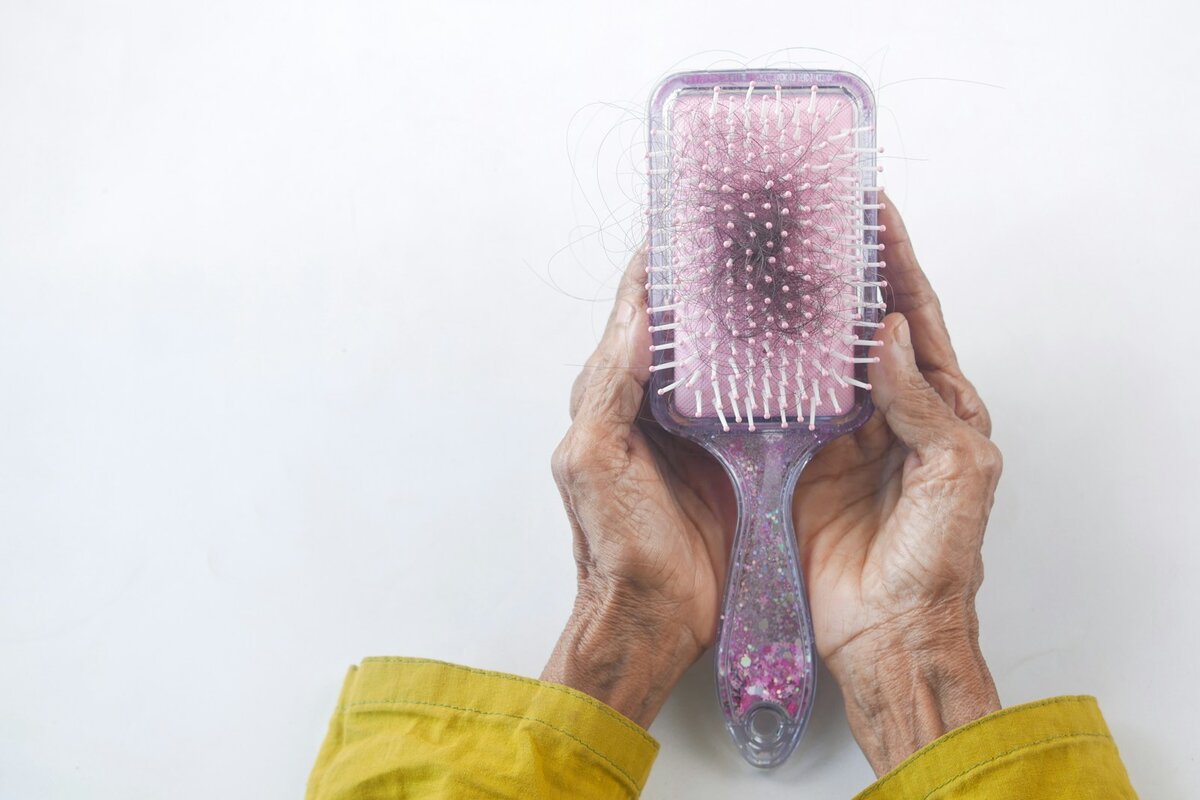
Does Australian water cause hair loss? The data says no. Melbourne’s tap water averages 26 mg/L of hardness and Sydney’s 43 mg/L, both soft. The hardest capital-city water, in Perth, Adelaide and Brisbane, averages 99 to 115 mg/L. The lab studies that found hard water weakens hair used water at 487 mg/L, more than four times harder than any of them, and the researchers described their subject as weakening of hair, “not hair loss”.
The shedding many new arrivals notice is real, though. A common explanation is a pattern dermatologists call telogen effluvium: extra hair falls out two to four months after a shock to the body, such as illness, stress, a change of diet or long-haul travel. That is about when people have settled into a new city and started blaming the water. This guide sets out the water data for each city, what the hair studies measured, and what to do if your hair is shedding.
Australian Water and Hair Loss: How Hard Is Your City’s Water?
| City | Average hardness (mg/L) | Classification | Disinfectant | Compared with the 487 mg/L study water |
|---|---|---|---|---|
| Hobart | 24 | Soft | Free chlorine | 20 times softer |
| Melbourne | 26 | Soft | Free chlorine | 19 times softer |
| Gold Coast | 34 | Soft | Free chlorine | 14 times softer |
| Darwin | 35 | Soft | Free chlorine | 14 times softer |
| Canberra | 38 | Soft | Free chlorine | 13 times softer |
| Sydney | 43 | Soft | Chloramine in most suburbs | 11 times softer |
| Perth | 99 | Moderately hard | Free chlorine | 5 times softer |
| Adelaide | 110 | Moderately hard | Free chlorine in most of the metro area | 4 times softer |
| Brisbane (Brisbane zone) | 115 | Moderately hard | Chloramine | 4 times softer |
Hardness varies within cities. Perth’s northern suburbs on Gnangara Mound groundwater reach 204 mg/L in Yanchep and 228 mg/L in Two Rocks, and regional South Australia runs higher, up to 602 mg/L at Padthaway. Those are the only places in WaterScore’s data that come close to the water used in the hair studies.
How Australian water compares with home
India and England are now the two largest overseas-born groups in Australia, at about 971,000 people each, according to the ABS’s June 2025 figures. For many new arrivals, Australian water is softer than what they left behind, not harder.
| Where you moved from | Hardness (mg/L) | Source |
|---|---|---|
| London, Kingston North zone (2025 average) | 259 | Thames Water |
| Thames Water region (range) | 80–365 | Thames Water |
| Singapore (2025 average) | 43 | PUB |
| Hong Kong (July 2025 to June 2026 average) | 37 | Water Supplies Department |
Someone who moves from south-west London to Melbourne goes from about 259 mg/L to 26 mg/L, water ten times softer. From Singapore or Hong Kong, Sydney and Melbourne are much the same, while Perth, Adelaide and Brisbane are two to three times harder. We could not find official tap water hardness figures for Indian cities, so if you are comparing with home, your old supplier’s report is the place to look.
Hard Water Hair Loss: What the Studies Actually Found
Three small studies have tested water hardness against hair directly, and they are the basis for most “hard water hair loss” claims online.
- India, 2013. Dermatologists in Coimbatore took hair lost during combing from 15 volunteers and soaked half of each sample in hard water at 212.5 ppm and half in distilled water, for 10 minutes every second day for 30 days. They found no difference in strength or elasticity and concluded that “the hardness of water does not interfere with the tensile strength and elasticity of hair.”
- Pakistan, 2016 and 2018. Researchers in Khyber Pakhtunkhwa soaked hair from 76 men, then 70 men, in tap water from Kohat district, which the 2018 paper measured at 487 mg/L, the hardest of the 10 districts it sampled. In the 2018 study, hair treated with it had a tensile strength of 234, against 255 for untreated hair, about 8% weaker. The 2016 paper framed its question as “weakening of hair (not Hair Loss) and breakage”.
Two points matter for anyone in Australia. First, these are strength tests on hair already cut or shed, done in a lab. None of them measured hair falling out of the scalp. Weaker strands can snap along the shaft, which may make hair look thinner, but breakage is not hair loss from the root. Second, even the softest district in the Pakistani study, Peshawar, measured 242 mg/L, which is harder than the water in every Australian capital.
Why Hair Falls Out After Moving to Australia
Everyone sheds. DermNet, the dermatology reference, puts normal loss at “up to about 100 hairs a day” on your comb, brush, basin or pillow, and the British Association of Dermatologists gives a range of 30 to 150 a day.
Telogen effluvium is a sudden increase on top of that. A shock to the body pushes more hairs than usual into their resting phase at once, and they fall out together a few months later: 2 to 4 months after the trigger, according to DermNet, or around 3 months, according to the British Association of Dermatologists. Several of the triggers on their lists often come with a move overseas:
- psychological stress and “major life changes”, in healthdirect’s wording
- illness, especially with a fever
- weight loss, an unusual diet or a nutritional deficiency such as low iron
- thyroid problems
- starting or stopping some medicines, including the contraceptive pill
- “overseas travel resulting in jetlag” and “excessive sun exposure”, both on DermNet’s list
The delay is why the water gets blamed. Hair loss after moving to Australia often follows this timeline: you arrive, you settle in, and a few months later the shower drain is full of hair, by which time the move itself feels like old news. DermNet says shedding usually tapers back to normal over 6 to 9 months. The British Association of Dermatologists says the shedding phase lasts 3 to 6 months, and that for one in three people no cause is ever found.
Does Chlorine in Tap Water Cause Hair Loss?
Australian tap water is disinfected with free chlorine or chloramine at low levels: about 0.1 to 1.5 mg/L of free chlorine in the free chlorine cities, and 0.72 to 1.16 mg/L of monochloramine at the tap in Sydney’s chloramine systems. NSW rules require public pools to hold at least 1.0 mg/L of free chlorine outdoors and 2.0 mg/L indoors, so a swim is a stronger dose than a shower.
Swimmers often find pool water leaves hair dry, which is damage to the hair shaft rather than loss from the root. We found no study or dermatology guidance linking tap water chlorine to hair falling out.
If chlorine dryness bothers you, a shower filter can reduce free chlorine in Melbourne, Perth, Canberra, Hobart, Darwin, the Gold Coast and metro Adelaide. In most of Sydney and Brisbane the disinfectant is chloramine, which shower filters barely touch. Our shower filter guide covers which filters work where.
Sydney, Melbourne, Perth, Brisbane and Adelaide Water and Your Hair
Melbourne. Melbourne’s water averages 26 mg/L and is soft across almost the whole city, as our Melbourne hardness guide shows suburb by suburb. “Melbourne water hair loss” is one of the most searched versions of this question, but there is no hard water in Melbourne to blame. If your hair feels different, the change from harder water at home is the likely reason: shampoo lathers more in soft water, so the same amount behaves differently. The Melbourne moving guide covers what else changes.
Sydney. “Sydney water hair loss” runs into the same problem. Sydney averages 43 mg/L, between 28 and 58 mg/L across its supply zones, so it is soft too (Sydney hardness by suburb). Most suburbs get chloramine rather than free chlorine. The Sydney moving guide covers the rest.
Perth. Perth has the widest range of any capital, from 29 mg/L in Dwellingup to 228 mg/L in Two Rocks, with an average of 99 mg/L (Perth hardness by suburb). In the northern suburbs, mineral build-up on hair is more likely than anywhere else in a capital city, and a clarifying shampoo is worth trying.
Brisbane. The Brisbane zone measures 115 mg/L, moderately hard, and is chloraminated (Brisbane hardness).
Adelaide. Metro Adelaide runs from 87 to 138 mg/L and averages 110 mg/L (Adelaide hardness by suburb). A widely reported 2026 ranking from PhycoHealth, a NSW company that sells skin and scalp products, put Perth and Adelaide at the bottom for skin and hair and Hobart at the top. It ranked cities mainly on hardness and did not measure hair loss.
What You Can Do
- Count before you worry. Losing around 100 hairs a day is normal, healthdirect says, and you will see them in your brush and the shower.
- Think back three months. If the shedding started a few months after the move, an illness, a diet change or a stressful stretch, telogen effluvium is the likely cause, and it usually settles on its own.
- See a GP if it carries on. healthdirect advises talking to your doctor if you are losing a lot more hair than usual or it is falling out in clumps. A GP can check for causes such as low iron or a thyroid problem.
- Check your water. Look up your suburb in our hardness guides or convert a reading with the water hardness calculator. Below 60 mg/L, hard water is not your problem.
- In harder water, clarify and descale. In Perth’s northern suburbs, Adelaide and Brisbane, a weekly clarifying or chelating shampoo removes mineral film, and descaling the shower head keeps the spray even. For filter options matched to Perth’s water, see the Perth water filter guide.
- Don’t buy a shower filter to stop shedding. It can reduce chlorine in free chlorine cities, as our shower filter guide explains, but it will not soften water or stop telogen effluvium.
New to Australia? Our guide to whether you can drink tap water in Australia covers the rest of what changes at the tap.
Frequently Asked Questions
Does Australian water cause hair loss?
There is no evidence that it does. Capital-city tap water in Australia averages between 24 and 115 mg/L of hardness, and the studies that found hard water weakens hair used water at 487 mg/L. Even those studies measured weaker strands, not hair falling out. Shedding after a move is more often telogen effluvium, which follows stress, illness, diet changes or long-haul travel by two to four months.
Why is my hair falling out after moving to Australia?
A common reason is telogen effluvium. A shock to the body, such as stress, illness, a change of diet, weight loss or long-haul travel, pushes extra hairs into their resting phase, and they fall out two to four months later. It usually settles within six to nine months. See a GP if it carries on, or if hair comes out in clumps or patches.
Does Melbourne water cause hair loss?
No. Melbourne’s water averages 26 mg/L of hardness, which is soft, so there is no hard water to blame. If your hair feels different after moving there, the change in water is the likely reason: shampoo lathers more in soft water, so the same amount behaves differently. Soft water does not make hair fall out.
Does hard water cause hair loss?
Not on current evidence. A 2013 study found water at 212.5 ppm had no effect on hair strength. Two Pakistani studies found water at 487 mg/L made cut hair about 7 to 8% weaker, which may increase breakage. None measured hair falling out from the scalp, and the 2016 paper described its subject as weakening of hair, not hair loss. See our hard water vs soft water explainer for the wider effects.
Can a shower filter stop hair loss?
No. Shower filters reduce free chlorine and do not soften water, and neither chlorine nor hardness at Australian levels has been shown to cause hair loss. A filter may make hair feel less dry in a free chlorine city such as Melbourne or Perth. If you are shedding, see a GP rather than buying a filter.
Is Perth water bad for your hair?
Perth’s water averages 99 mg/L, which is moderately hard, and some northern suburbs reach 204 to 228 mg/L. That can leave a mineral film that makes hair feel coarse, which a weekly clarifying shampoo helps with. It is still well below the 487 mg/L water used in the studies that found hard water weakens hair, and it has not been shown to cause hair loss.
Summary
Does Australian water cause hair loss? Not on the evidence. Capital-city water runs from soft in Hobart, Melbourne and Sydney to moderately hard in Perth, Adelaide and Brisbane, all far below the 487 mg/L water that weakened hair in lab tests. Shedding a few months after a move usually points to telogen effluvium, which settles with time, and a GP is the right first stop if it does not.
Sources
- Srinivasan, G. et al., “Effects of hard water on hair”, International Journal of Trichology 5(3), 2013. pubmed.ncbi.nlm.nih.gov
- Luqman, M.W. et al., “Effect of topical application of hard water in weakening of hair in men”, Journal of the Pakistan Medical Association 66(9), 2016; and Luqman, M.W. et al., International Journal of Trichology 10(3), 2018. pubmed.ncbi.nlm.nih.gov, pmc.ncbi.nlm.nih.gov
- DermNet, Telogen effluvium, 2019. dermnetnz.org
- healthdirect Australia, Alopecia, reviewed August 2024; British Association of Dermatologists, Telogen effluvium, October 2025. healthdirect.gov.au, bad.org.uk
- Thames Water, Water quality report, Kingston North zone, 2025 and Hard water; PUB, Singapore drinking water quality, 2025; Water Supplies Department, Drinking water quality, July 2025 to June 2026. thameswater.co.uk, pub.gov.sg, wsd.gov.hk
- Australian Bureau of Statistics, Australia’s population by country of birth, April 2026. abs.gov.au
- NSW Health, Guidelines for Managing Water Quality in Public Swimming Pools and Spa Pools, 2026. health.nsw.gov.au
- Pulse Tasmania, “Hobart’s tap water ranked best in Australia for skin and hair”, 6 August 2026. pulsetasmania.com.au
Recommended filters for this topic
Hand-picked Amazon products relevant to this article.

Philips
Water Filter Jug 3.4L (X-Clean)
3.5 · 6 ratings on Amazon
Budget pick — ideal for chlorine, taste, and general soft-water areas.

Waterdrop
TSA Under-Sink Carbon Filter (Chlorine + Taste)
4.4 · 2,237 ratings on Amazon
Under-sink carbon filter for chlorine taste and odour.

Waterdrop
WD-C1H Countertop RO (Hot & Ambient)
4.4 · 32 ratings on Amazon
Top pick for hard-water cities — removes 90%+ of dissolved minerals.

Berkey
Travel Water Filter (2× Black Elements)
4.5 · 3,034 ratings on Amazon
Gravity-fed — no plumbing, great for renters and travel.
Disclaimer: This article is for general informational purposes only and does not constitute medical advice, health recommendations, or professional guidance of any kind. The health and safety information discussed should not be used as a substitute for consultation with qualified health professionals. Data referenced may not reflect current water conditions. For specific concerns about your drinking water, consult your local water utility, a licensed water testing laboratory, or a health professional. See our Terms of Use.
Cite
Cite this page
Free to quote and reuse with a credit to WaterScore and a link to this page. Journalists and researchers can find key figures and contacts on our press and data page.
WaterScore. (2026, October 20). Does Australian Water Cause Hair Loss? City Data (2026). https://waterscore.com.au/articles/does-australian-water-cause-hair-loss/
Written by

Environmental Health Writer
Science journalist covering water infrastructure and environmental health across Australia.
Reviewed by

Lead Water Quality Analyst
Environmental scientist and water quality researcher with a PhD from the University of Melbourne.
What You Can Do
Check the water quality in your area and find the right filter for your needs.
Sponsored Amazon link. Check Amazon for current price and availability.
Related Articles
Australia's Hardest Water Suburbs: Where Limescale Wins
Hardest water suburbs in Australia ranked with actual mg/L readings. See the 20 suburbs exceeding ADWG guidelines and what limescale means for your home.
Best Shower Filter Australia (2026): What Works by City
Best shower filter Australia guide: which filters remove chlorine in your city, why none fix chloramine or hard water, and the three picks worth buying.
Brisbane vs Melbourne Water Hardness Compared
Brisbane's water is over 4x harder than Melbourne's at 81 mg/L vs 18 mg/L. See zone-by-zone data, practical impacts and filter advice for both cities.