Moving to Melbourne? Here's What to Expect From the Tap Water
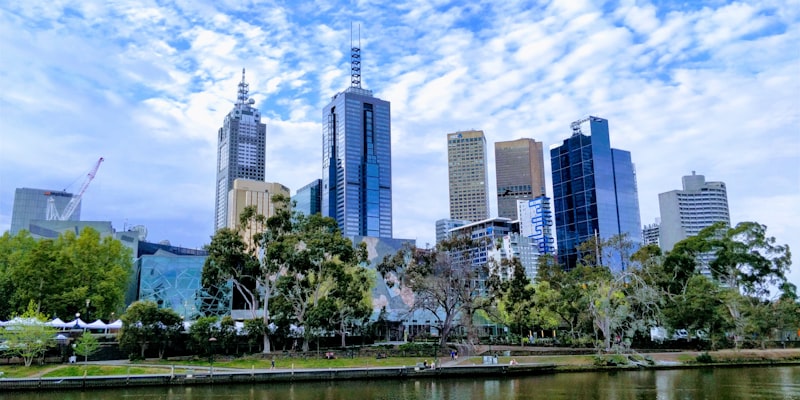
Moving to Melbourne is exciting — new neighbourhoods to explore, coffee to rank, and a tram network to figure out. But somewhere between finding a rental and setting up your internet, you will probably wonder: what is the tap water actually like?
The short answer: Melbourne’s tap water is excellent. It consistently ranks among the best in Australia, and you can drink it straight from the tap with confidence. But there are a few things worth knowing as a new resident, from which water company serves your suburb to whether you might want a filter for taste. This guide covers all of it.
For a deeper look at safety data and test results, see our companion article on whether Melbourne’s tap water is safe to drink.
Melbourne’s Water Quality Reputation
Melbourne has a well-earned reputation for high-quality drinking water. The city draws most of its supply from protected catchments in the Yarra Ranges and central highlands — roughly 157,000 hectares of forested bushland, much of it closed to public access to prevent contamination.
This protected-catchment approach is Melbourne’s biggest advantage. Less contamination at the source means less treatment is needed, which translates to fewer chemical by-products in the finished water. Cities like Adelaide rely on the River Murray, which carries agricultural runoff and higher mineral loads before treatment. Melbourne’s mountain reservoirs, including the Thomson Reservoir (the largest, holding over 1,000 billion litres), deliver naturally clean source water.
The result? Every parameter tested across Melbourne’s supply network falls within the Australian Drinking Water Guidelines. Most readings sit at a fraction of the allowable limits. If you are moving from overseas or from a city with less reliable mains water, Melbourne’s tap water quality will be a pleasant surprise.
Three Water Companies: Which One Serves Your Suburb?
One thing that catches new residents off guard is that Melbourne does not have a single water retailer. Melbourne Water manages the catchments and treatment plants as the wholesale supplier, but water is delivered to your home by one of three retail companies:
- Yarra Valley Water — covers the northern and eastern suburbs, including areas like Heidelberg, Doncaster, Glen Waverley, and Craigieburn**
- South East Water — serves the southern and south-eastern suburbs, including Albert Park, Brighton, Frankston, and the Mornington Peninsula
- Greater Western Water — covers the western and north-western suburbs, from Footscray to Sunbury and Melton
Your address determines your retailer. This matters because billing, service requests, and some water quality characteristics differ slightly between the three. When you move in, your retailer will typically contact you to set up an account. You can also check which retailer serves your address on their respective websites.
Does it affect water quality?
Slightly. All three retailers receive treated water from Melbourne Water’s plants, but the distribution network — the pipes between the plant and your tap — varies by area. This means chlorine residual levels, hardness, and trace element concentrations can differ between suburbs.
For example, Yarra Valley Water suburbs average around 0.38 mg/L of free chlorine, while Greater Western Water areas average 0.73 mg/L. Both are well within safe limits, but the western suburbs may have a slightly more noticeable chlorine taste. You can check your suburb’s specific readings on WaterScore.
Water Hardness: Expect Soft Water
If you have lived in Adelaide, Perth, or parts of regional Queensland, you are probably familiar with hard water — the limescale on kettles, the difficulty lathering soap, the mineral buildup on shower screens. Melbourne is the opposite.
Melbourne has very soft water. Hardness across most of the network ranges from about 15 to 30 mg/L, well under the 60 mg/L threshold that defines soft water. Here is how the three retailers compare:
| Retailer | Average Hardness | Classification |
|---|---|---|
| Yarra Valley Water | ~20 mg/L | Soft |
| South East Water | ~15 mg/L | Soft |
| Greater Western Water | ~44 mg/L | Soft |
Even Greater Western Water’s slightly higher average is still classified as soft. A small number of outer zones (such as Yarrambat and some western growth areas) can reach moderate levels around 90–108 mg/L, but these are exceptions rather than the rule.
What soft water means for your home
- No limescale buildup — your kettle, dishwasher, and hot water system will stay cleaner
- Better soap lathering — you will use less shampoo, detergent, and cleaning products
- Gentler on skin and hair — many people moving from hard water areas notice the difference immediately
- No need for a water softener — unlike Adelaide, where water softeners are common, Melbourne residents can skip this expense entirely
For more detail on the practical differences, see our hard water vs soft water guide or try the water hardness calculator to compare Melbourne’s levels with your current city.
Fluoridation
Melbourne has fluoridated its water supply since 1977 under the Victorian Government’s fluoridation program. Fluoride is added at treatment plants to help reduce tooth decay across the population.
Across the network, fluoride levels average around 0.75 mg/L. This is well below the ADWG health guideline of 1.5 mg/L and also lower than Sydney’s average of about 1.02 mg/L.
If you are moving from a non-fluoridated area (parts of regional Australia or some overseas countries), this is worth noting. Fluoridation is supported by Australian health authorities and the World Health Organization as safe and effective for dental health. If you prefer to reduce fluoride in your drinking water, a reverse osmosis system is the most effective option. Standard carbon filters do not remove fluoride.
Chlorine Levels and Taste
Melbourne uses free chlorine to disinfect its water supply. A residual amount stays in the water as it travels through the pipe network to keep it safe from bacteria between the treatment plant and your tap.
Free chlorine levels range from 0.11 to 1.02 mg/L across the network, with an average of about 0.56 mg/L. The ADWG guideline is 5 mg/L, so Melbourne sits well below the limit.
Will you notice the taste?
It depends on what you are used to. If you are arriving from overseas (where bottled water is the norm) or from a city that uses chloramine (like parts of Sydney), you may notice a faint chlorine taste or smell, especially if you live in the western suburbs or newer growth areas where the pipe network is longer and chlorine residuals are higher.
Most long-term Melbourne residents barely notice it. But if the taste bothers you, these tricks work well:
- Fill a jug and refrigerate it — free chlorine dissipates naturally when exposed to air, so cold water from a jug tastes noticeably better
- Run the tap for a few seconds — water that has been sitting in pipes overnight can have a stronger taste
- Use a carbon filter — even a basic jug filter or benchtop unit removes chlorine effectively. See our water filter recommendations for Melbourne
Unlike chloramine, free chlorine is relatively easy to remove. This is actually an advantage — a simple, inexpensive carbon filter handles the job.
Melbourne’s Taste Profile
New arrivals from other Australian cities often comment on Melbourne’s water taste. Here is a quick comparison:
| City | Hardness | Chlorine Type | Common Taste Notes |
|---|---|---|---|
| Melbourne | 15–30 mg/L | Free chlorine | Clean, neutral, light |
| Sydney | 30–80 mg/L | Chlorine/chloramine mix | Slightly mineral, mild |
| Adelaide | 87–138 mg/L | Chloramine | Mineral-heavy, earthy |
| Brisbane | 40–100 mg/L | Free chlorine | Variable, moderate |
| Perth | 50–250 mg/L | Mixed | Variable, mineral |
Melbourne’s very soft water and moderate chlorine levels give it a clean, neutral taste that most people find pleasant. If you are moving from Adelaide, the difference is dramatic — no mineral aftertaste, no chalky residue, and soap that actually lathers on the first go.
For a detailed city-by-city comparison, see our articles on Brisbane vs Sydney water quality and Perth vs Adelaide water quality.
Do You Need a Water Filter?
The honest answer: probably not for safety. Melbourne’s water meets all ADWG health guidelines comfortably. But a filter might still be worth it for comfort and taste.
When a filter makes sense
- You dislike the chlorine taste — a basic carbon filter (jug, benchtop, or under-sink) solves this for $30–$200
- You live in an older home — homes built before 1980 may have lead solder or brass fittings that can leach trace metals into standing water. A filter adds a layer of protection
- You want to remove fluoride — only a reverse osmosis system will do this. Carbon filters leave fluoride levels unchanged
- You are in a western suburb with harder water — if your area records hardness above 60 mg/L, a filter or small water softener may help with appliance longevity
When you can skip the filter
- You are in the eastern or south-eastern suburbs — water here is very soft with low chlorine levels
- Your home has modern plumbing (post-2000) — lead risk from pipes is negligible
- You do not mind a faint chlorine taste — the jug-in-the-fridge method works just as well
For detailed recommendations, see our best water filters for Australian tap water guide and our Melbourne-specific filter page.
How Melbourne Compares to Other Australian Cities
If you are moving from interstate, here is how Melbourne stacks up:
| Parameter | Melbourne | Sydney | Brisbane | Adelaide | Perth |
|---|---|---|---|---|---|
| Avg hardness | 26 mg/L | 55 mg/L | 70 mg/L | 97 mg/L | 150 mg/L |
| Avg chlorine | 0.56 mg/L | 1.10 mg/L | 0.80 mg/L | 0.60 mg/L | 0.90 mg/L |
| Fluoride | 0.75 mg/L | 1.02 mg/L | 0.74 mg/L | 0.90 mg/L | 0.80 mg/L |
| Source type | Protected catchments | Dams + river | Dam + desal | River Murray | Groundwater + dams + desal |
| Overall quality | Excellent | Very good | Good | Moderate | Variable |
Melbourne’s protected-catchment advantage and naturally soft water put it near the top of the table nationally. The only city that comes close on softness is Hobart, which also benefits from protected catchment sources.
Practical Tips for New Melbourne Residents
Here are the things we wish someone had told us about Melbourne’s water when we first moved:
-
Look up your suburb on WaterScore — get your suburb’s specific water quality readings, including hardness, chlorine, fluoride, and overall score. It takes ten seconds and tells you exactly what is coming out of your tap.
-
Find out which retailer serves you — check Yarra Valley Water, South East Water, or Greater Western Water. You will need to set up an account for billing and to report any issues.
-
Run the tap before drinking in the morning — if water has been sitting in your pipes overnight, run the cold tap for 30 seconds before filling your glass. This flushes any metals that may have leached from fittings.
-
Use the cold tap for drinking and cooking — hot water systems can leach trace metals from pipes at higher rates. Always draw drinking water from the cold tap.
-
Skip the water softener — Melbourne’s water is already soft. If you owned a water softener in your previous city, you will not need it here. Save the bench space.
-
Ditch the bottled water — Melbourne’s tap water quality matches or exceeds most bottled water brands. A reusable bottle and the kitchen tap is all you need.
-
If your water looks discoloured, contact your retailer — brown or yellow water usually means pipe maintenance or a burst main nearby. It is temporary and your retailer can confirm.
-
Check your plumbing if you are renting an older property — ask the landlord or property manager whether the plumbing has been updated. Homes built before 1980 may have older fittings that warrant a simple under-sink filter.
Frequently Asked Questions
Is Melbourne tap water safe to drink straight from the tap?
Yes. Melbourne’s tap water meets all Australian Drinking Water Guidelines across every supply zone. The city draws from protected mountain catchments in the Yarra Ranges, which means the source water needs minimal treatment. Every parameter tested sits well within ADWG limits.
Which water company supplies my Melbourne address?
Melbourne has three retail water companies. Yarra Valley Water covers the north and east, South East Water serves the south and south-east, and Greater Western Water covers the west and north-west. Your address determines which company supplies your home. Check your rates notice or enter your address on the relevant retailer’s website.
Is Melbourne’s water hard or soft?
Melbourne has very soft water, averaging around 15 to 30 mg/L depending on your area. This is well below the 60 mg/L soft water threshold. If you are moving from Adelaide or regional Queensland, you will notice a significant difference — less limescale, easier lathering, and gentler water on skin and hair.
Do I need a water filter when I move to Melbourne?
You do not need a filter for safety. Melbourne’s water meets all health guidelines. A carbon filter can improve taste by reducing residual chlorine. If you are moving into an older home built before 1980, a filter can also help reduce trace metals from ageing plumbing. See our Melbourne filter guide for recommendations.
Does Melbourne add fluoride to the tap water?
Yes. Melbourne has fluoridated its water since 1977 under Victorian Government policy. Fluoride levels average around 0.75 mg/L, which is well below the ADWG health guideline of 1.5 mg/L. If you want to reduce fluoride, a reverse osmosis system is the most effective option — standard carbon filters do not remove fluoride.
Summary
Melbourne’s tap water is among the best in Australia. Protected mountain catchments deliver naturally clean source water, and the three retail water companies maintain quality well within ADWG guidelines across the entire network. The water is very soft, fluoridated at controlled levels, and disinfected with free chlorine at concentrations far below the health limit.
As a new resident, you can drink straight from the tap with confidence. If the chlorine taste bothers you, a simple jug in the fridge or an inexpensive carbon filter solves it. Look up your suburb on WaterScore to see your specific water quality readings, and enjoy one of the quiet perks of living in Melbourne — genuinely good tap water.
Sources
- Melbourne’s Water Supply, Melbourne Water
- Drinking Water Quality Annual Report, Yarra Valley Water
- Drinking Water Quality Report, South East Water
- Water Quality Report, Greater Western Water
- Australian Drinking Water Guidelines, NHMRC
- Fluoridation of Water Supplies, Victorian Department of Health
- Melbourne Water Quality Data, WaterScore
Recommended filters for this topic
Hand-picked Amazon products relevant to this article.

BRITA
Marella 2.4L Fridge Water Filter Jug (Maxtra+)
4.7 · 16,095 ratings on Amazon

Berkey
Royal 3.25 Gal (with Fluoride Filters)
4.5 · 1,628 ratings on Amazon
Disclaimer: This article is for general informational purposes only and does not constitute medical advice, health recommendations, or professional guidance of any kind. Data referenced may not reflect current water conditions. For specific concerns about your drinking water, consult your local water utility, a licensed water testing laboratory, or a health professional. See our Terms of Use.
Written by

Water Infrastructure Analyst
Civil engineer and former SA Water/Melbourne Water analyst specialising in comparative water quality.
What You Can Do
Check the water quality in your area and find the right filter for your needs.
Sponsored Amazon link. Check Amazon for current price and availability.
Related Articles
Moving to Sydney? Here's What to Expect From the Tap Water
Moving to Sydney and wondering about the water? This practical relocation guide covers Sydney Water's 13 supply zones, water hardness, chlorine vs chloramine, fluoride, taste, and whether you need a filter.

How to Read Your Water Utility Report: A Practical Guide for Australians
Learn how to read and interpret your water utility's annual drinking water quality report. Understand key parameters like pH, hardness, chlorine, and fluoride, and what ADWG compliance really means.

Is Tap Water Safe to Drink in Melbourne? (2026)
Is tap water safe to drink in Melbourne? We analyse actual water quality data from three retail water companies covering fluoride, chlorine, hardness, and contaminants across Melbourne's supply zones.