Greater Western Water Service Region: Suburbs and Water Quality
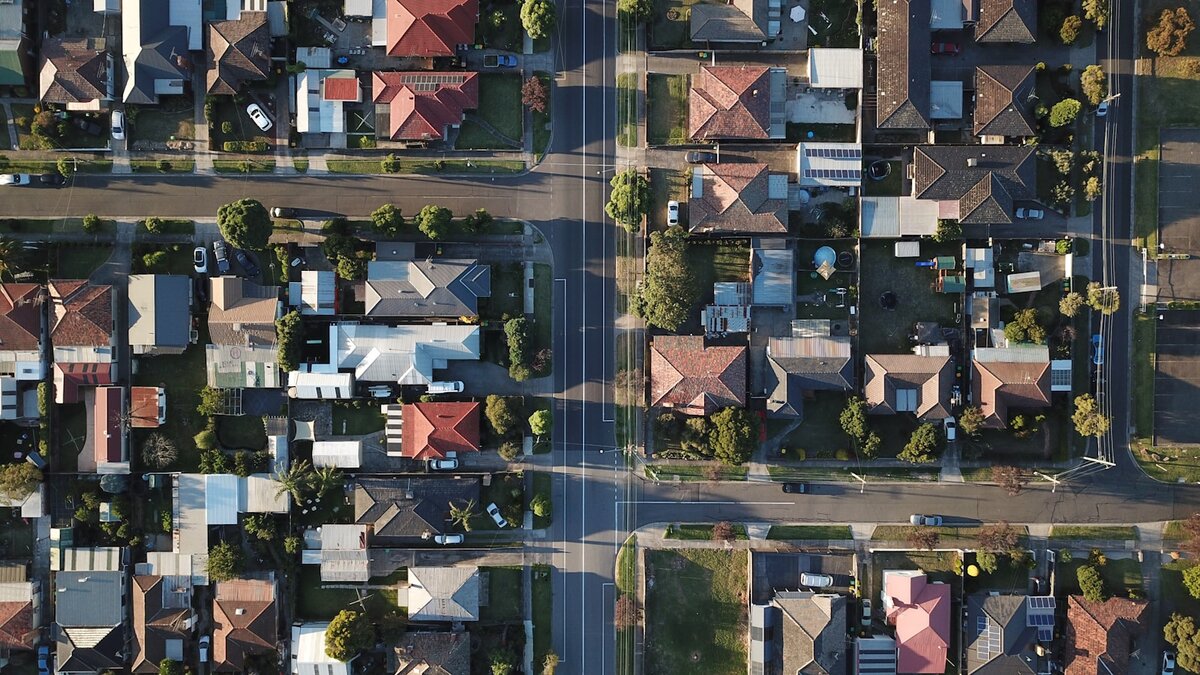
Greater Western Water supplies tap water to roughly one million people across 3,700 square kilometres of Melbourne’s west and the Macedon Ranges. That is a service region stretching from the docks at Williamstown to the wineries near Lancefield, taking in some of the country’s fastest-growing suburbs along the way.
Despite the size, the utility is the youngest of Victoria’s metropolitan water retailers. It was formed on 1 July 2021 when the state government merged City West Water and Western Water into a single business. Five years on, the Greater Western Water service region looks like this.
Service Region at a Glance
| Metric | Value |
|---|---|
| Population served | ~1,000,000 |
| Area covered | 3,700 km² |
| Local government areas | 11 |
| Water mains | 7,600 km |
| Sewer mains | 6,800 km |
| Reservoirs and tanks | 80+ |
| Year formed | 2021 |
The service area runs roughly from the western edge of the Melbourne CBD out to Bacchus Marsh and north through Sunbury into the Macedon Ranges. It does not cover the inner south, the bayside, or the eastern suburbs, which are served by South East Water and Yarra Valley Water.
Suburbs and Communities Covered
The Greater Western Water service region falls into three broad parts: the established inner-west, the western growth corridor, and the regional Macedon Ranges towns inherited from the old Western Water area.
Inner-West Suburbs
The inner-west portion was historically served by City West Water. It covers established residential and industrial suburbs close to the Melbourne CBD, including:
These suburbs sit on the Melbourne Water network and receive the same low-mineral catchment water as the rest of metropolitan Melbourne.
Western Growth Corridor
Wyndham and Melton are among the fastest-growing local government areas in Australia, and the GWW service region takes in most of the corridor that drives that growth. Key suburbs include:
New estates in this corridor are pushing the western edge of the service network further every year, and significant capital is going into new trunk water and sewer mains to keep up.
Macedon Ranges and Regional Towns
The former Western Water region adds a string of regional and peri-urban communities to the Greater Western Water footprint:
These towns are not all on the Melbourne Water supply. Several are fed from local reservoirs and groundwater, which has a real impact on water hardness, as we will see below.
Where the Water Actually Comes From
Most of the metropolitan portion of the Greater Western Water service region buys bulk water from Melbourne Water. That water is drawn from the protected mountain catchments of the Yarra Ranges, where rainwater collects in forested reservoirs closed to agriculture and the public. It is treated at Melbourne Water’s plants, then handed over to GWW for retail distribution.
The regional portion of the service area uses a different mix:
- Merrimu Reservoir supplies parts of the Bacchus Marsh and Melton areas.
- Rosslynne Reservoir feeds parts of the Macedon Ranges and northern growth areas.
- Local groundwater bores support smaller regional networks.
GWW also operates several smaller local water treatment plants for these regional sources. Because regional source water has more contact with mineral-rich rock and soil, it picks up more calcium and magnesium than the catchment water does.
Water Quality and Hardness Across the Region
Water quality across the Greater Western Water service region splits cleanly between metropolitan and regional zones. Here is what WaterScore data shows.
| Suburb / Zone | Supply Source | Hardness (mg/L) | Classification |
|---|---|---|---|
| Maribyrnong | Melbourne Water | 20 | Soft |
| Werribee | Melbourne Water | 23 | Soft |
| Sunbury (metro side) | Melbourne Water | ~25 | Soft |
| Darley (Bacchus Marsh) | Local source | 95 | Moderately hard |
| Macedon | Local source | 107 | Moderately hard |
| Riddells Creek | Local source | 108 | Moderately hard |
| Gisborne | Local source | 108 | Moderately hard |
| ADWG aesthetic guideline | — | 200 | — |
The contrast is sharp. Suburbs on the Melbourne Water network sit comfortably under the 60 mg/L soft-water threshold, the same as the rest of metropolitan Melbourne. Towns supplied from local Macedon Ranges sources, by contrast, sit in the moderately hard band, although every reading remains well below the ADWG aesthetic guideline of 200 mg/L.
If you have moved from Footscray to Gisborne and noticed more scale on your kettle or less lather from your soap, this is why. For more detail on what the numbers mean in practice, see our guide on Melbourne water hardness by suburb.
How GWW Compares to Melbourne’s Other Water Retailers
Melbourne is unusual in having three retail water utilities sharing one bulk supplier. Each draws from the same Melbourne Water network for most of its area, but the geographic split matters because pipework, growth investment, and customer service all differ.
| Retailer | Service Area | Approx. Population |
|---|---|---|
| Greater Western Water | West and Macedon Ranges | 1,000,000+ |
| Yarra Valley Water | North and east | 2,000,000+ |
| South East Water | South and east bayside | 1,800,000+ |
Yarra Valley Water and South East Water both inherit older, established networks. Greater Western Water sits on top of the most aggressive growth pipeline in the metropolitan area, which is why the utility is investing heavily in trunk infrastructure, recycled-water schemes such as the Western Irrigation Network, and new treatment capacity.
What You Can Do
If you live in the Greater Western Water service region:
- Check your suburb’s water quality data. Look up your address on the relevant suburb page, such as Werribee or Sunbury, to see hardness, pH, and TDS readings.
- Confirm your retailer. GWW only covers the west and Macedon Ranges. If you are unsure, the easiest check is your last bill. The retailer name appears at the top.
- Consider a filter if you live in the Macedon Ranges. A carbon under-sink filter handles taste and chlorine well. If you are in the 95 to 108 mg/L hardness band, a softener cartridge may also be worth it for appliance protection.
- Use the hardness calculator. The water hardness calculator converts mg/L to grains per gallon, which is the unit most appliance manuals use.
- Read the annual report. Greater Western Water publishes a Drinking Water Quality Report every year. It breaks down sampling results zone by zone.
Frequently Asked Questions
What suburbs does Greater Western Water cover?
Greater Western Water serves more than 70 suburbs and towns across Melbourne’s western corridor and the Macedon Ranges. The service area includes inner-west suburbs like Footscray, Maribyrnong, Williamstown and Yarraville, growth-area suburbs such as Werribee, Tarneit, Truganina, Point Cook and Wyndham Vale, and regional communities including Melton, Sunbury, Bacchus Marsh, Gisborne, Romsey and Lancefield.
How big is the Greater Western Water service region?
The Greater Western Water service region spans approximately 3,700 square kilometres and covers parts of 11 local government areas. It is home to more than one million people, making GWW one of the largest water retailers in Victoria by both area and customer base.
Where does Greater Western Water source its water?
Most metropolitan suburbs in the GWW service region receive water wholesaled from Melbourne Water, drawn from protected mountain catchments in the Yarra Ranges. Regional and peri-urban communities are supplied from a mix of Melbourne Water and local sources, including the Merrimu and Rosslynne reservoirs and several local groundwater bores.
Is Greater Western Water tap water hard or soft?
It depends on where you live in the service region. Inner and middle-ring suburbs supplied from Melbourne Water sit at 18 to 23 mg/L, which is very soft. Outer zones in the Macedon Ranges, including Gisborne and Riddells Creek, can reach 108 mg/L, which is moderately hard but still well under the 200 mg/L ADWG aesthetic guideline.
What is the difference between Greater Western Water and Yarra Valley Water?
Greater Western Water serves Melbourne’s western suburbs and the Macedon Ranges. Yarra Valley Water serves the city’s northern and eastern suburbs. Both retail utilities buy bulk water from Melbourne Water and distribute it through their own pipe networks, but they cover different geographic regions and operate independently.
When was Greater Western Water formed?
Greater Western Water was formed on 1 July 2021 through the merger of City West Water and Western Water. The Victorian Government merged the two utilities to better manage rapid growth in Melbourne’s western corridor and improve service coordination across the region.
Summary
The Greater Western Water service region covers around one million Victorians across 3,700 square kilometres, from inner-west Melbourne suburbs through the Wyndham and Melton growth corridor and into the Macedon Ranges. Most metropolitan customers receive soft, low-mineral catchment water via Melbourne Water, while regional towns drawing on local sources sit in the moderately hard band but still well within the ADWG aesthetic guideline.
Sources
- Greater Western Water — Service area, infrastructure, and annual reporting.
- Melbourne Water — Bulk supply network and catchment data.
- Australian Drinking Water Guidelines (NHMRC) — Aesthetic guideline for total hardness.
- Department of Energy, Environment and Climate Action, Victoria — Water sector reform and 2021 utility merger.
- WaterScore Supabase data — Suburb-level hardness, pH, and TDS readings (2024 reporting period).
Recommended filters for this topic
Hand-picked Amazon products relevant to this article.

Philips
Water Filter Jug 3.4L (X-Clean)
3.5 · 6 ratings on Amazon
Budget pick — ideal for chlorine, taste, and general soft-water areas.

Waterdrop
TSA Under-Sink Filter (Fluoride + PFAS)
4.4 · 2,237 ratings on Amazon
Best for fluoride + PFAS removal — NSF/ANSI 42 certified.

Waterdrop
WD-C1H Countertop RO (Hot & Ambient)
4.4 · 32 ratings on Amazon
Top pick for hard-water cities — removes 90%+ of dissolved minerals.

Berkey
Travel Water Filter (2× Black Elements)
4.5 · 3,034 ratings on Amazon
Gravity-fed — no plumbing, great for renters and travel.
Disclaimer: This article is for general informational purposes only and does not constitute medical advice, health recommendations, or professional guidance of any kind. Data referenced may not reflect current water conditions. For specific concerns about your drinking water, consult your local water utility, a licensed water testing laboratory, or a health professional. See our Terms of Use.
Written by

Environmental Health Writer
Science journalist covering water infrastructure and environmental health across Australia.
What You Can Do
Check the water quality in your area and find the right filter for your needs.
Sponsored Amazon link. Check Amazon for current price and availability.
Related Articles

How to Read Your Water Utility Report: A Practical Guide for Australians
Learn how to read and interpret your water utility's annual drinking water quality report. Understand key parameters like pH, hardness, chlorine, and fluoride, and what ADWG compliance really means.

Is Tap Water Safe to Drink in Melbourne? (2026)
Is tap water safe to drink in Melbourne? We analyse actual water quality data from three retail water companies covering fluoride, chlorine, hardness, and contaminants across Melbourne's supply zones.
Moving to Melbourne? Here's What to Expect From the Tap Water
Moving to Melbourne and wondering about the water? This practical relocation guide covers Melbourne's three water utilities, water hardness, fluoridation, chlorine, taste, and whether you need a filter.