Fluoride in Australian Tap Water
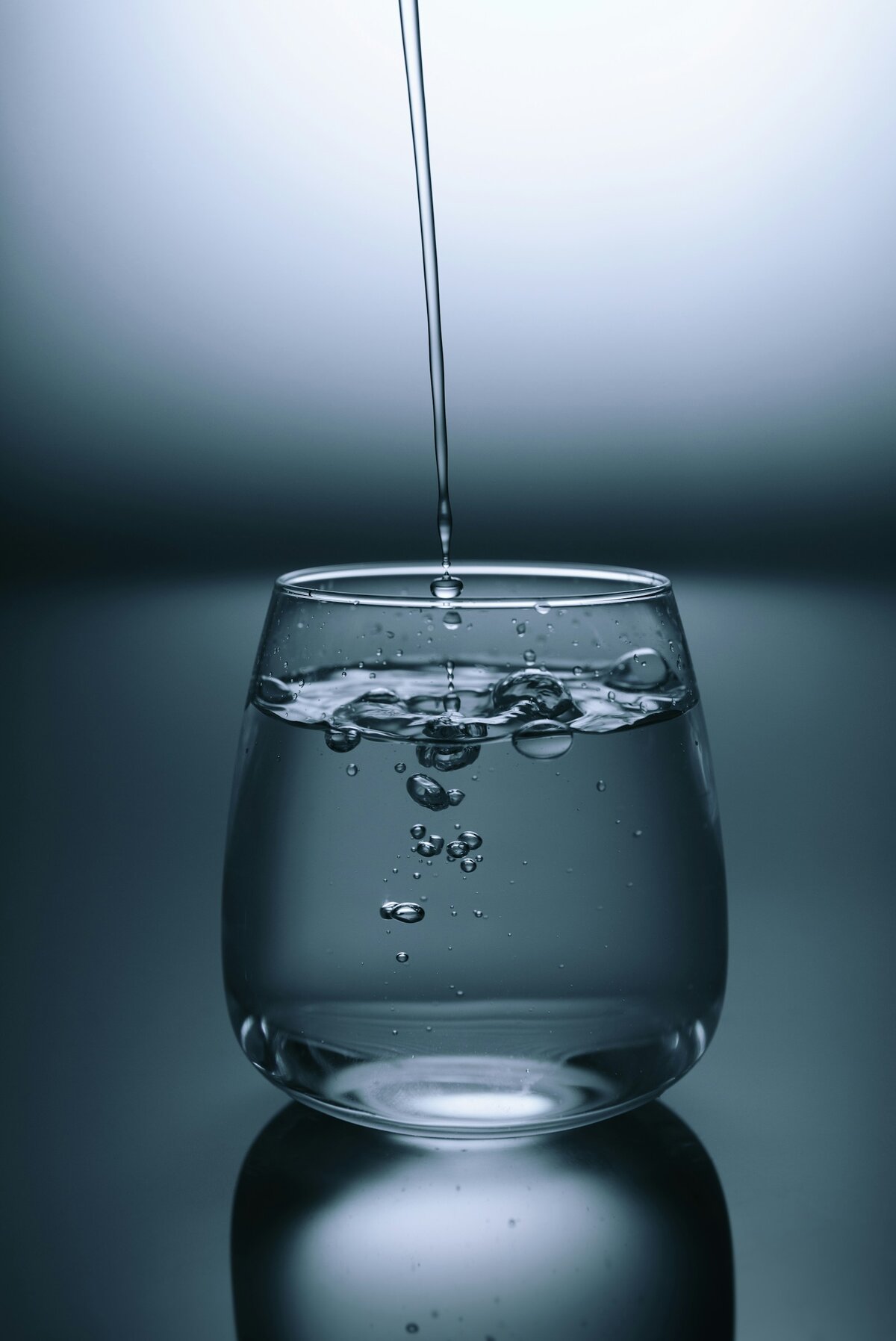
About 89% of Australians drink fluoridated tap water. It’s been added to public water supplies since 1953, making it one of the longest-running public health measures in the country. Yet fluoride in Australian tap water remains one of the most searched and debated water quality topics online.
The science is clear: at Australian concentrations (0.6-1.1 mg/L), fluoride reduces tooth decay by 26-44% in children. But how much fluoride is actually in your water? That depends on where you live. We pulled real data from WaterScore’s database and utility reports to show what each capital city delivers.
How Much Fluoride Is in Australian Tap Water?
Every major Australian capital adds fluoride to its drinking water, but at different concentrations. Here’s what WaterScore’s data shows:
| City | Average Fluoride (mg/L) | Range (mg/L) | Target (mg/L) | Fluoridated Since |
|---|---|---|---|---|
| Sydney | 1.00 | 0.79–1.05 | 1.0 | 1963 |
| Hobart | 0.93 | 0.79–1.03 | 0.9 | 1953 |
| Brisbane | 0.83 | 0.81–0.85 | 0.8 | 2009 |
| Canberra | 0.80 | 0.78–0.80 | 0.8 | 1964 |
| Perth | 0.75 | 0.10–0.84 | 0.9 | 1968 |
| Melbourne | 0.73 | 0.03–0.85 | 0.9 | 1977 |
| Darwin | 0.56 | 0.10–1.50 | 0.6 | 1972 |
| Adelaide | 0.48 | 0.10–1.20 | 0.7–1.0 | 1971 |
The ADWG health guideline for fluoride is 1.5 mg/L. Every capital city sits well below this limit. Sydney runs highest at 1.0 mg/L on average. Adelaide and Darwin sit at the lower end of the major capitals.
Darwin’s wide range (0.10-1.50 mg/L) reflects its diverse supply network across the Northern Territory. Isolated communities like Tennant Creek and Timber Creek have naturally occurring fluoride near the guideline limit. Darwin city itself averages about 0.78 mg/L.
Why Australia Adds Fluoride to Water
Australia began adding fluoride to public water supplies in 1953, when Beaconsfield in Tasmania became the first town to fluoridate. The reason was straightforward: decades of research had shown that communities with naturally occurring fluoride in their water had significantly lower rates of tooth decay.
The NHMRC’s 2017 review of the evidence found that water fluoridation at 0.6-1.1 mg/L reduces tooth decay by:
- 26-44% in children and adolescents
- About 27% in adults
- Greatest benefit for lower-income communities with limited access to dental care
Australia does not include dental care under Medicare. A visit to a private dentist for a filling costs $150-300 on average. Water fluoridation costs roughly $1 per person per year to deliver, and AMA Queensland estimates every $1 spent saves $7-18 in avoided dental treatment. For communities where dental access is limited, fluoridated water is often the only preventive measure reaching everyone.
By the late 1970s, most Australian states had embraced fluoridation. Today, the ACT is the only jurisdiction at 100% coverage. Victoria, NSW, and WA sit above 90%. Queensland is the outlier, and that story deserves its own section.
The ADWG Guideline for Fluoride
The Australian Drinking Water Guidelines set fluoride’s health guideline value at 1.5 mg/L. This is the concentration above which long-term exposure may increase the risk of dental fluorosis in children aged 6-8 whose permanent teeth are still forming. Dental fluorosis at mild levels presents as faint white lines on tooth enamel, a cosmetic issue rather than a health concern.
The recommended fluoridation range is 0.6-1.1 mg/L. Some states target the lower end. Darwin operates at 0.6 mg/L, partly because hotter climates mean higher water consumption. Sydney sits at the upper end with a target of 1.0 mg/L.
At concentrations above 4.0 mg/L, prolonged exposure can cause skeletal fluorosis. No Australian city water supply approaches this level.
The approved chemicals for fluoridation are sodium fluoride, sodium fluorosilicate, and fluorosilicic acid. All must meet strict purity standards before use in public water supplies.
Fluoride Levels Vary by Suburb, Not Just City
City averages mask real variation. Within each capital, fluoride levels can differ between supply zones.
Adelaide shows this clearly. WaterScore data from SA Water’s supply zones:
| Adelaide Zone | Fluoride (mg/L) |
|---|---|
| Northern metro | 0.70 |
| Myponga (outer south) | 0.70 |
| Western metro | 0.44 |
| Central metro | 0.40 |
| Eastern metro | 0.40 |
| Southern metro | 0.40 |
Northern Adelaide receives water treated at a different plant with a different fluoridation set-point. The gap between 0.40 and 0.70 mg/L across one metro area is real and measurable. You can check your suburb’s fluoride reading on the Adelaide water quality page.
Melbourne’s spread is wider still. Across 69 supply zones reported by Melbourne Water and its retailers, fluoride ranges from 0.03 mg/L to 0.85 mg/L. Most zones cluster around 0.7-0.85 mg/L, but a few outlier zones sit much lower.
Perth’s network, managed by Water Corporation, targets 0.9 mg/L and delivers an average of 0.75 mg/L across 29 localities. For more on Perth’s water profile, see our Perth tap water safety guide.
The Queensland Fluoride Story
Queensland is the most significant case study for water fluoridation in Australia.
2008: The state Labor government passed the Water Fluoridation Act, mandating fluoridation for public water supplies in prescribed areas. Southeast Queensland, including Brisbane, Gold Coast, and the Sunshine Coast, began fluoridation in 2009.
2012: The incoming LNP government amended the Act, removing the mandate and handing the decision to individual local councils. This made Queensland the only state where fluoridation is entirely at council discretion.
The result: 51 of 77 Queensland councils opted out. Over one million Queenslanders lost access to fluoridated water. State coverage dropped from about 90% to roughly 72%.
The health impact: A University of Queensland study published in October 2025 documented tooth decay prevalence falling from 49.5% to 38.8% among primary school children in areas that received fluoridation during 2009-2011. When those communities stopped fluoridating, researchers expect those gains to reverse over time.
Research published in the Medical Journal of Australia in 2024 found a strong association between socio-economic status and access to fluoridated water. Lower-income areas are disproportionately unfluoridated, despite having the highest dental disease burden. Councils that opted out tend to be in regional and lower-income areas where dental access is already limited.
As of 2025-26: Brisbane, Gold Coast, Toowoomba, and some Sunshine Coast areas remain fluoridated. Cairns, Mackay, Rockhampton, Gladstone, and Gympie do not. AMA Queensland and university researchers continue to call for a reinstated state mandate, citing the equity argument and clear dental health evidence.
Is Fluoride in Tap Water Safe?
The NHMRC’s 2017 review, the most thorough assessment of fluoridation evidence conducted in Australia, found no reliable evidence that fluoride at 0.6-1.1 mg/L causes:
- Cancer
- Cognitive impairment or lowered IQ
- Thyroid problems
- Kidney disease
- Bone fractures
- Adverse pregnancy outcomes
A December 2024 University of Queensland study specifically examined early childhood exposure to fluoridated water and found no association with cognitive impairments. This addressed concerns raised by a 2019 Canadian study that claimed a link between fluoride and children’s IQ. Multiple systematic reviews (2020, 2021, 2023) identified serious design weaknesses in that study and found no consistent association.
Dental fluorosis risk: At Australian fluoridation levels (0.6-1.1 mg/L), the risk of even mild dental fluorosis is low. Two NT communities have naturally occurring fluoride at 1.7-1.9 mg/L, exceeding the ADWG guideline. These communities provide bottled water for children under 12 and pregnant women as a precaution. This situation is specific to natural geological fluoride, not municipal fluoridation.
International evidence supports fluoridation. When Calgary, Canada removed fluoride in 2011, tooth decay rates in children increased measurably. Israel saw similar results after briefly ceasing fluoridation in 2014 before reversing course. These natural experiments reinforce the Australian evidence.
How to Remove Fluoride from Tap Water
If you choose to reduce fluoride in your drinking water, not all filters are equal:
| Filter Type | Removes Fluoride? | Notes |
|---|---|---|
| Carbon filter (jug/benchtop) | No | Removes chlorine taste, not fluoride |
| Carbon block (under-sink) | No | Same limitation as jug filters |
| Reverse osmosis | Yes (90-95%) | Most effective household option |
| Activated alumina | Yes (85-90%) | Designed specifically for fluoride removal |
| Distillation | Yes (99%+) | Effective but slow and energy-intensive |
| Ceramic filter | No | Removes bacteria and sediment, not fluoride |
Reverse osmosis is the most practical option for Australian households. Many water filter systems marketed for Australian tap water include RO as the primary technology when fluoride removal is a goal.
Keep in mind that fluoride at Australian levels is considered beneficial for dental health by the NHMRC, WHO, and Australian Dental Association. Removing it is a personal choice, but the public health evidence supports the current fluoridation program.
What You Can Do
-
Check your suburb’s fluoride level. Look up your address on WaterScore to see the actual fluoride reading for your supply zone. Try Sydney, Melbourne, Perth, or Adelaide.
-
Understand what your filter does. If you already use a water filter, check whether it’s a carbon filter (does not remove fluoride) or a reverse osmosis system (does remove fluoride). This affects what’s actually in the water you drink.
-
Use fluoride toothpaste. Regardless of whether your water is fluoridated, the Australian Dental Association recommends fluoride toothpaste for people of all ages. This provides topical fluoride directly to teeth.
-
Know your state’s policy. If you live in Queensland, your council decides whether to fluoridate. Check with your local council or water utility to confirm your area’s fluoridation status.
-
Read the NHMRC evidence review. For an informed decision about fluoride, the NHMRC’s 2017 public statement and supporting Q&A document provide the most current Australian evidence assessment.
Frequently Asked Questions
Is there fluoride in Australian tap water?
Yes. About 89% of Australians receive fluoridated tap water. Levels are controlled between 0.6 and 1.1 mg/L, depending on the city and state. The ADWG health guideline is 1.5 mg/L, and all major cities sit well below this.
How much fluoride is in my tap water?
It varies by city. Sydney averages 1.0 mg/L, Melbourne 0.73 mg/L, Brisbane 0.83 mg/L, Perth 0.75 mg/L, Adelaide 0.48 mg/L, and Darwin 0.56 mg/L. Check your water utility’s annual report or your suburb’s WaterScore page for exact figures.
Is fluoride in Australian tap water safe to drink?
Yes, at Australian levels. The NHMRC’s 2017 review found no reliable evidence of health harm at 0.6 to 1.1 mg/L. At these concentrations, fluoride reduces tooth decay by 26 to 44% in children and about 27% in adults.
Can I remove fluoride from my tap water?
Standard carbon filters and jug filters like Brita do not remove fluoride. Reverse osmosis systems and activated alumina filters can reduce fluoride to very low levels. Distillation also removes fluoride. See our water filter guide for more details.
Does Queensland have fluoride in its water?
Some areas do, some don’t. After the state mandate was repealed in 2012, 51 of 77 Queensland councils opted out. Brisbane, Gold Coast, and Toowoomba are fluoridated. Cairns, Mackay, Rockhampton, and many regional areas are not.
Is fluoride in tap water safe for babies?
Yes. The NHMRC confirms that making infant formula with Australian fluoridated tap water at 0.6 to 1.1 mg/L is safe and does not pose a meaningful risk of dental fluorosis.
Summary
Fluoride in Australian tap water is a well-regulated public health measure with over 70 years of evidence behind it. About 89% of Australians receive fluoridated water at 0.6-1.1 mg/L, well below the ADWG health guideline of 1.5 mg/L. Sydney runs highest at 1.0 mg/L on average, while Adelaide and Darwin sit at the lower end. Queensland’s 2012 decision to make fluoridation optional at the council level has left over a million residents without access, with measurable dental health consequences. To see exactly how much fluoride is in your water, check your suburb on WaterScore.
Sources
- NHMRC. (2017). Public Statement: Water Fluoridation and Human Health in Australia. nhmrc.gov.au
- NHMRC. (2022). Australian Drinking Water Guidelines 6 — Fluoride. guidelines.nhmrc.gov.au
- SBS News. (2024). Fluoride in Your Drinking Water: Here’s What to Know. sbs.com.au
- The Conversation. (2024). Fluoride in Drinking Water Is in the Spotlight Again. theconversation.com
- MJA InSight. (2024). No Fluoride in Drinking Water Putting a Million Queenslanders at Risk. insightplus.mja.com.au
- SA Health. (2024). Fluoride in Water. sahealth.sa.gov.au
- HealthyWA. (2024). Fluoride Facts for Western Australia. healthywa.wa.gov.au
- Sydney Water. (2024). Safe Drinking Water — Quarterly Reports. sydneywater.com.au
Recommended filters for this topic
Hand-picked Amazon products relevant to this article.

ZeroWater
2.8L 5-Stage Jug (PFAS + Fluoride + Lead, IAPMO Certified)
4.2 · 5,315 ratings on Amazon

Waterdrop
WD-C1H Countertop RO (Hot & Ambient)
4.4 · 32 ratings on Amazon
Disclaimer: This article is for general informational purposes only and does not constitute medical advice, health recommendations, or professional guidance of any kind. The health and safety information discussed should not be used as a substitute for consultation with qualified health professionals. Data referenced may not reflect current water conditions. For specific concerns about your drinking water, consult your local water utility, a licensed water testing laboratory, or a health professional. See our Terms of Use.
Written by

Lead Water Quality Analyst
Environmental scientist and water quality researcher with a PhD from the University of Melbourne.
Reviewed by

Environmental Health Writer
Science journalist covering water infrastructure and environmental health across Australia.
What You Can Do
Check the water quality in your area and find the right filter for your needs.
Sponsored Amazon link. Check Amazon for current price and availability.
Related Articles

Is Tap Water Safe to Drink in Melbourne? (2026)
Is tap water safe to drink in Melbourne? We analyse actual water quality data from three retail water companies covering fluoride, chlorine, hardness, and contaminants across Melbourne's supply zones.

Is Tap Water Safe to Drink in Sydney? (2026)
Is tap water safe to drink in Sydney? We analyse actual water quality data across 13 supply zones covering fluoride, chlorine, hardness, and contaminants.
Is Tap Water Safe to Drink in Adelaide? (2026)
Is tap water safe to drink in Adelaide? We analyse SA Water's data across 12 supply zones covering hardness, chloramine, fluoride, PFAS, and contaminants.