Can Babies Drink Tap Water in Australia?
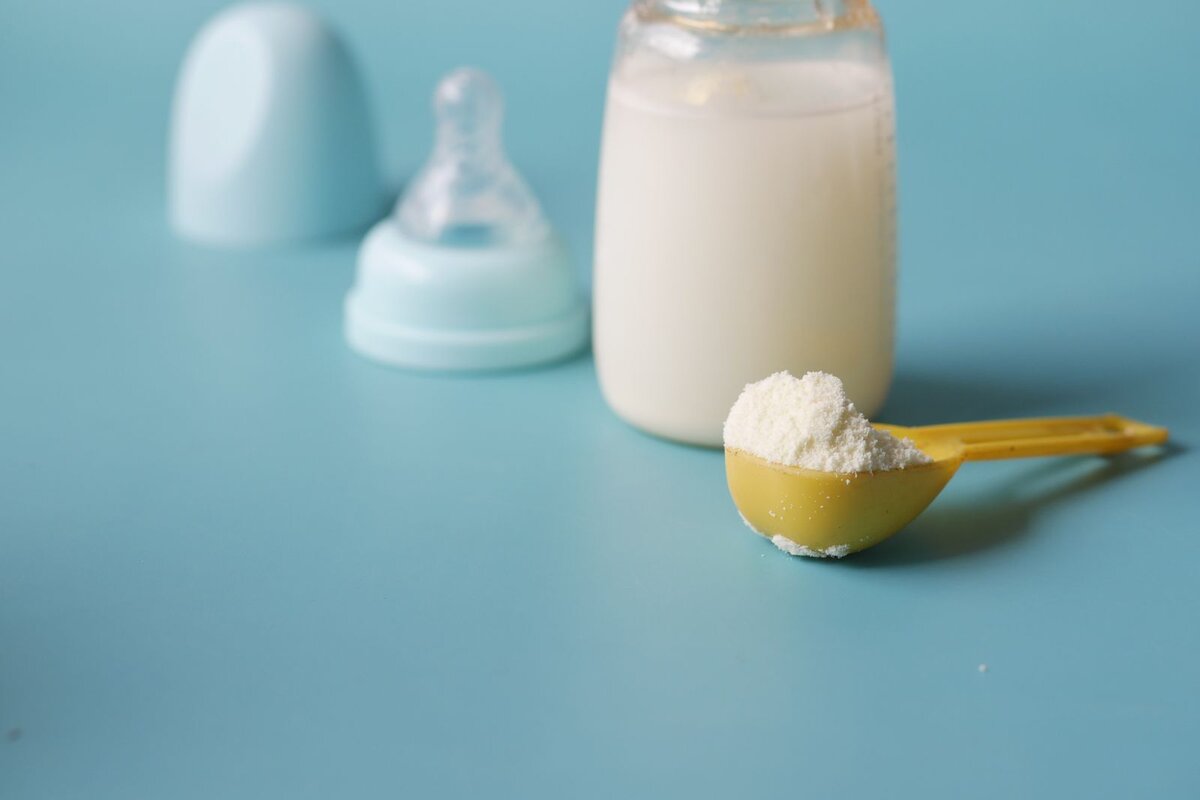
The nitrate limit in the Australian Drinking Water Guidelines is 50 mg/L, and it exists for one reason: babies. Not adults, not children, not the elderly. The number was set to protect bottle-fed infants under six months from a blood condition called methaemoglobinaemia, and everyone else is covered as a side effect.
So when parents ask whether babies can drink tap water in Australia, the honest answer starts with the fact that the guidelines were written with their baby in mind. This guide covers what is actually in Australian tap water that matters for infants, what our suburb-level data shows across every state, and what is safe at each age.
The Short Answer by Age
Australian health guidance is consistent across states, and it is about age rather than about water quality.
| Age | Plain water? | Water for formula |
|---|---|---|
| Under 6 months | No. Breast milk or formula only, even in hot weather | Boiled and cooled tap water |
| 6 to 12 months | Small sips with meals, boiled and cooled first | Boiled and cooled tap water |
| Over 12 months | Yes, straight from the tap | Not applicable |
The under-six-months rule is not a water safety rule. Babies that young have small stomachs and immature kidneys, and plain water displaces the milk they need and may dilute their sodium levels. That advice would hold even if the water were perfect.
Why Boiling Is About the Powder, Not the Water
This is the part most parents get backwards. You boil water for a baby’s bottle because powdered infant formula is not a sterile product, not because Australian tap water is suspect.
Powdered formula can contain low levels of organisms such as Cronobacter sakazakii. Mixing with water at 70 degrees or hotter kills them. The NHMRC Infant Feeding Guidelines and NSW paediatric guidance both frame it this way.
Worth knowing: boiling does nothing for the three things people actually worry about. Nitrate, fluoride and lead all stay in the water when steam leaves. Boiling a kettle dry and topping it up repeatedly slightly concentrates them, which is why the advice is to boil fresh water once and let it cool. We covered the chemistry in more detail in does boiling water remove chlorine and fluoride.
Nitrate: The Guideline That Exists Because of Babies
Nitrate gets into water from fertiliser, septic systems and natural geology. In an infant’s gut it converts to nitrite, which interferes with the blood’s ability to carry oxygen. The result is methaemoglobinaemia, historically called blue baby syndrome. Babies under six months, and particularly under three months, are the vulnerable group.
The World Health Organization set 50 mg/L on that basis, and Australia adopted it. Our data covers 589 supply zone readings for nitrate. Here is how the capitals compare against the guideline that was written for their babies.
| Utility | Median nitrate | Highest zone | ADWG guideline |
|---|---|---|---|
| Seqwater (Brisbane) | 0.06 mg/L | 0.12 mg/L | 50 mg/L |
| TasWater | 0.05 mg/L | 0.6 mg/L | 50 mg/L |
| Icon Water (Canberra) | 0.10 mg/L | 0.2 mg/L | 50 mg/L |
| Greater Western Water | 0.11 mg/L | 0.11 mg/L | 50 mg/L |
| SA Water | 0.84 mg/L | 29.9 mg/L | 50 mg/L |
| Water Corporation (WA) | 0.88 mg/L | 37 mg/L | 50 mg/L |
Brisbane’s median sits about 800 times below the infant guideline. Hobart’s is roughly 1,000 times below. For a parent in a capital city, nitrate is not a live concern.
The numbers that deserve a second look are regional and groundwater-fed. Water Corporation’s Mid West zones reach 37 mg/L, its Goldfields and Agricultural zones reach 31.7 mg/L, and SA Water’s remote Pipalyatjara supply reads 29.9 mg/L. All three remain under 50 mg/L, so they meet the guideline. But they sit at roughly 60 to 74 per cent of a limit that was set for six-week-old babies, which is a different situation from Brisbane’s 0.12 per cent.
If you live on a regional groundwater supply or a private bore, this is the one parameter worth checking before you make up a bottle. Private bores are outside the regulated system entirely and are not covered by our data or by any utility report.
Fluoride: A Fifty-Fold Range Across the Country
Fluoride is the parameter parents ask about most, and the honest answer is that it varies enormously depending on where you live. Across our 801 zone readings the range runs from 0.03 mg/L to 1.5 mg/L.
| City | Typical fluoride | Notes |
|---|---|---|
| Sydney | 0.96 to 1.05 mg/L | Highest of the capitals |
| Hobart | 0.78 to 1.03 mg/L | |
| Brisbane | 0.81 to 0.85 mg/L | |
| Canberra | 0.78 to 0.80 mg/L | |
| Melbourne | 0.68 to 0.85 mg/L | Some outer VIC towns unfluoridated |
| Perth | 0.80 mg/L typical | |
| Adelaide | 0.50 mg/L median | Wide regional spread |
| Darwin and NT | 0.50 mg/L median | Tennant Creek reaches 1.5 mg/L |
Every one of those sits at or under the ADWG maximum of 1.5 mg/L. A handful of Victorian towns supplied by Greater Western Water are effectively unfluoridated, including Myrniong at 0.03 mg/L and Romsey at 0.06 mg/L. Tennant Creek in the Northern Territory sits at the 1.5 mg/L limit, which is naturally occurring rather than added.
The infant question is dental fluorosis. A baby fed exclusively on formula made with fluoridated water takes in more fluoride per kilogram of body weight than a breastfed baby. The realistic outcome is very mild fluorosis, faint white flecks on the adult teeth that most people never notice. Australian health authorities regard fluoridated tap water as suitable for making up formula. Parents who would rather reduce the exposure can alternate with filtered water, and reverse osmosis is the only common household filter that removes fluoride to any real degree. Our fluoride in Australian tap water article goes deeper.
Lead Comes From Your House, Not the Supply
This is the risk that utility data cannot answer, and it is worth being straight about it.
Water utilities sample at treatment plants and in the distribution network. By the time water reaches your kitchen it has passed through your own service pipe, your internal plumbing and your tap fittings. Lead and copper picked up in that last few metres do not appear in any annual report, including the figures on this site.
Until recently, Australian brass plumbing fittings could legally contain up to 4.5 per cent lead. The National Construction Code cut the limit to 0.25 per cent, and from 1 May 2026 only lead-free certified products may be installed in drinking water systems. Existing certified stock can still be fitted until April 2028, and nothing requires anyone to replace the fittings already in their walls.
Practically, for a household with a baby:
- Run the cold tap for 20 to 30 seconds if it has been sitting overnight or all day. Standing water has had the longest contact with brass.
- Never make up formula with hot tap water. Hot water dissolves metals faster and may also carry sediment from the hot water system.
- If your home was built or plumbed before 2026 and you want certainty, a home test is the only way to know. Utility data will not tell you.
What About Bottled and Mineral Water?
Bottled water offers no safety advantage over boiled tap water for a baby, and it still needs boiling if used for formula, since bottled water is not sterile either.
Mineral water is a genuine no. The sodium and dissolved mineral load in mineral water may be too high for an infant’s kidneys to handle. Check the label on any bottled water you do use and look for low sodium.
What You Can Do
- Check your own suburb’s numbers. Look up your suburb’s water quality report and read the nitrate and fluoride rows against the guideline column shown next to them.
- Follow the age rules, not the water rules. No plain water under 6 months, boiled and cooled from 6 to 12 months, straight from the tap after that.
- Boil once, fresh, and cool it. Do not repeatedly re-boil the same kettle water for a bottle.
- Flush the tap for 20 to 30 seconds first thing in the morning, and always use cold water for formula.
- On a bore or regional groundwater supply, test for nitrate before making up bottles. This is the one case where the parameter genuinely matters.
- If you want to filter, understand what you are buying. Only reverse osmosis reduces nitrate and fluoride to any meaningful extent. Carbon jugs and under-sink carbon do neither. Compare options on our best water filter pages for your suburb.
Frequently Asked Questions
Can babies drink tap water in Australia?
Not straight from the tap until 12 months. Babies under 6 months need only breast milk or formula. From 6 to 12 months you can offer sips of tap water that has been boiled and cooled. After 12 months, plain tap water straight from the tap is fine anywhere on a regulated Australian supply.
Why does tap water for babies need to be boiled?
Boiling is about bacteria, not chemistry. Powdered infant formula is not a sterile product, and boiling water to at least 70 degrees before mixing kills organisms that may be present in the powder. It is not because Australian tap water is unsafe. Boiling does not remove nitrate, fluoride or lead, and prolonged boiling slightly concentrates them.
Is nitrate in Australian tap water dangerous for babies?
The 50 mg/L nitrate guideline exists specifically to protect bottle-fed infants under 6 months from methaemoglobinaemia, sometimes called blue baby syndrome. Every capital city supply sits far below it. The highest reading in our data is 37 mg/L in parts of Water Corporation’s Mid West region in regional WA, which is still under the guideline.
Is fluoridated tap water safe for making up baby formula?
Yes. Australian fluoridated supplies run between roughly 0.6 and 1.1 mg/L, under the ADWG maximum of 1.5 mg/L. Making formula with fluoridated water may slightly increase the chance of very mild dental fluorosis, which usually appears as faint white flecks on the teeth. Health authorities regard fluoridated tap water as suitable for formula, and parents who want to reduce exposure can alternate with filtered water.
Should I use bottled or filtered water for baby formula in Australia?
Bottled water is not needed and offers no safety advantage over boiled tap water. Never use mineral water for babies, because the sodium and mineral load may be too high for infant kidneys. A filter is optional, though a reverse osmosis system is the only common household filter that meaningfully reduces both nitrate and fluoride.
Should I run the tap before making my baby’s bottle?
Yes, if the tap has not been used for several hours. Water that has been sitting in household brass fittings overnight can pick up small amounts of lead and copper from the plumbing rather than from the supply. Running the cold tap for 20 to 30 seconds clears it. Never use hot tap water for formula.
Summary
Babies can drink tap water in Australia, with the timing set by their age rather than by water quality. Under six months they need only milk, from six to twelve months boiled and cooled tap water is fine, and after their first birthday the tap is fine as it comes. The nitrate guideline that governs Australian drinking water was written to protect infants, and every capital city sits hundreds of times below it. The two situations worth checking are a regional groundwater or bore supply, where nitrate is a real parameter to test, and your own household plumbing, which no utility report can see.
Sources
- Nitrate and nitrite, Australian Drinking Water Guidelines — NHMRC
- Nitrate and Nitrite in Drinking-water, background document — World Health Organization
- Infant Feeding Guidelines — NHMRC
- Introducing fluids — Sydney Children’s Hospitals Network
- Caring for your baby when there is a boil water notice — Australian Breastfeeding Association
- Lead free plumbing products — Australian Building Codes Board
- How WaterScore calculates its ratings — WaterScore methodology and data sources
Recommended filters for this topic
Hand-picked Amazon products relevant to this article.

Philips
Water Filter Jug 3.4L (X-Clean)
3.5 · 6 ratings on Amazon
Budget pick — ideal for chlorine, taste, and general soft-water areas.

Waterdrop
TSA Under-Sink Carbon Filter (Chlorine + Taste)
4.4 · 2,237 ratings on Amazon
Under-sink carbon filter for chlorine taste and odour.

Waterdrop
WD-C1H Countertop RO (Hot & Ambient)
4.4 · 32 ratings on Amazon
Top pick for hard-water cities — removes 90%+ of dissolved minerals.

Berkey
Travel Water Filter (2× Black Elements)
4.5 · 3,034 ratings on Amazon
Gravity-fed — no plumbing, great for renters and travel.
Disclaimer: This article is for general informational purposes only and does not constitute medical advice, health recommendations, or professional guidance of any kind. The health and safety information discussed should not be used as a substitute for consultation with qualified health professionals. Data referenced may not reflect current water conditions. For specific concerns about your drinking water, consult your local water utility, a licensed water testing laboratory, or a health professional. See our Terms of Use.
Cite
Cite this page
Free to quote and reuse with a credit to WaterScore and a link to this page. Journalists and researchers can find key figures and contacts on our press and data page.
WaterScore. (2026, September 1). Can Babies Drink Tap Water in Australia?. https://waterscore.com.au/articles/can-babies-drink-tap-water-australia/
Written by

Environmental Health Writer
Science journalist covering water infrastructure and environmental health across Australia.
Reviewed by

Lead Water Quality Analyst
Environmental scientist and water quality researcher with a PhD from the University of Melbourne.
What You Can Do
Check the water quality in your area and find the right filter for your needs.
Sponsored Amazon link. Check Amazon for current price and availability.
Related Articles
Can You Drink Tap Water in Australia? (2026 City Data)
Can you drink tap water in Australia? Yes, in every capital city. See measured hardness, chlorine and fluoride by city, plus where remote towns differ.

Is Tap Water Safe to Drink in Brisbane? (2026)
Is Brisbane tap water safe? We analyse actual water quality data for fluoride, chlorine, hardness, and contaminants across Brisbane's supply zones.
Is Tap Water Safe to Drink in Adelaide? (2026)
Is tap water safe to drink in Adelaide? We analyse SA Water's data across 12 supply zones covering hardness, chloramine, fluoride, PFAS, and contaminants.