Water Quality Issues in NSW: What the Data Shows
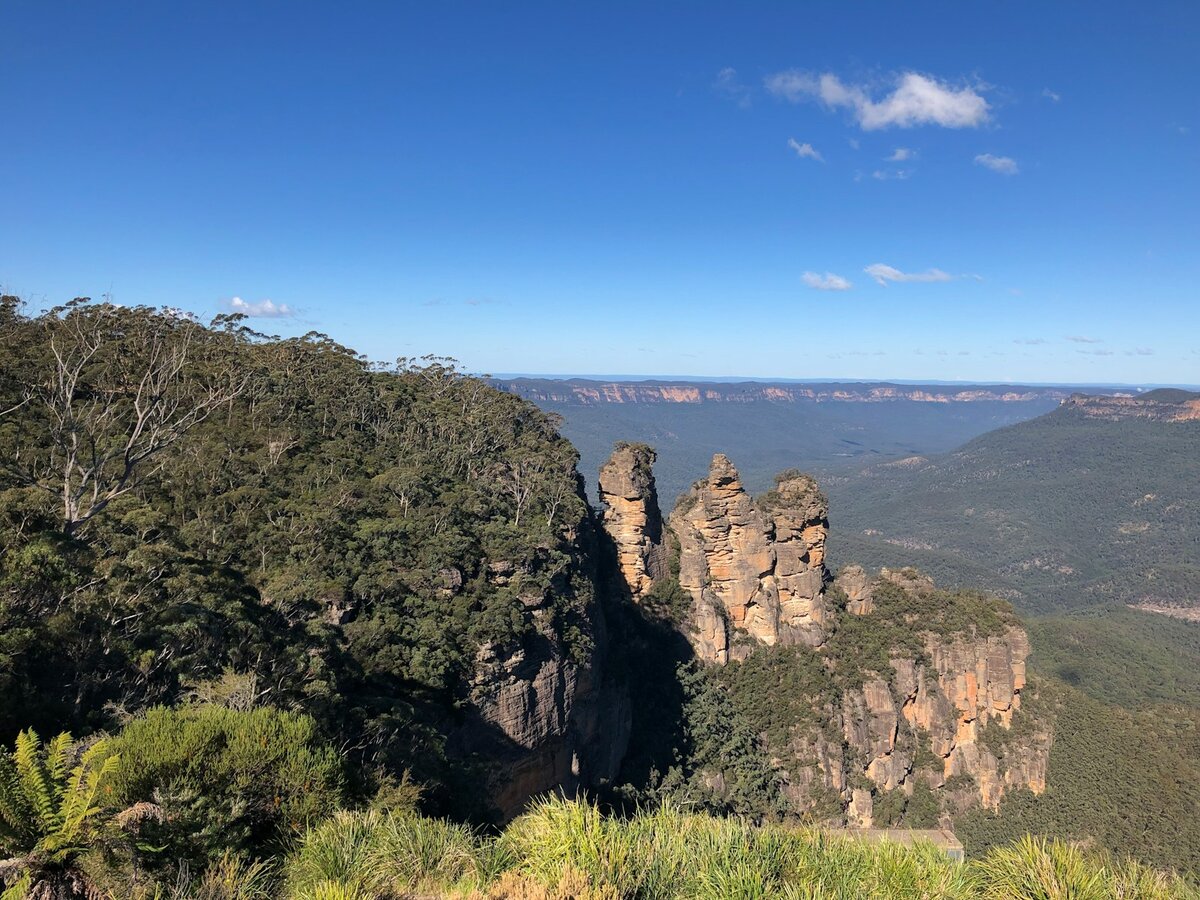
In July 2024, Sydney Water told about 41,000 homes in the upper Blue Mountains that their tap water contained PFAS, the so-called forever chemicals. Katoomba, Leura, Blackheath and Medlow Bath had likely been drinking it for years before anyone measured it. That single disclosure captures why water quality issues in NSW deserve more attention than they usually get.
The state’s water is not in crisis everywhere. Sydney’s metropolitan supply is soft, clear and meets the Australian Drinking Water Guidelines on almost every conventional measure. But two problems sit underneath that reassuring headline: emerging contaminants like PFAS turning up in specific supply zones, and a long-running gap between city water and what comes out of the tap in remote towns. Here is what the data actually shows, and why some of it is urgent.
Two Very Different Water Quality Issues in NSW
It helps to split the state in two.
In greater Sydney, the Illawarra and the Central Coast, roughly 5.3 million people drink water from large, well-monitored networks. The conventional numbers here are good. The live issues are newer: PFAS from decades-old firefighting foam, and disinfection by-products that rise as water travels through long pipe networks.
Out west and in the far north of the state, dozens of small councils run their own supplies. Many draw on rivers and bores that turn salty, cloudy or hard during drought. The water is often legal, because Australia has no health limit for some of the parameters involved, yet it is genuinely difficult to drink. These are the two faces of water quality issues in NSW, and they need different fixes.
PFAS in Sydney and the Blue Mountains
The Blue Mountains case is the clearest recent example. According to WaterNSW, the contamination is consistent with aqueous film-forming foam (AFFF), the firefighting foam linked to two vehicle fires on the Great Western Highway near Medlow Bath in 1992 and 2002, and to the local Rural Fire Brigade station. The chemicals soaked into the catchment and reached the dams that feed the Cascade filtration plant at Katoomba.
The raw source water was the alarming part. WaterNSW testing recorded PFOS at 47.8 ng/L in Medlow Dam and 37.7 ng/L in Greaves Creek Dam, with PFHxS at 40.5 and 27.1 ng/L. Both dams were disconnected from supply as a precaution, and Sydney Water installed a granular activated carbon and ion exchange treatment system at Cascade, running since early 2025.
What reaches the tap is much lower. WaterScore’s data for the delivered Cascade supply zone recorded combined PFOS and PFHxS as high as 15.4 ng/L, the highest of any NSW zone we hold data for. The North Richmond zone, a known PFAS site that Sydney Water has monitored since 2019, came next.
| NSW supply zone (delivered water) | Combined PFOS + PFHxS | PFOA | Context |
|---|---|---|---|
| Cascade (Blue Mountains) | up to 15.4 ng/L | ~0.5 ng/L | Highest in our NSW data; now treated |
| North Richmond | up to 5.3 ng/L | up to 1.3 ng/L | Monitored since 2019 |
| Hunter Water (Williamtown area) | ~2 ng/L each | ~2 ng/L | Legacy defence contamination nearby |
| Prospect-fed Sydney zones | 1–2 ng/L | under 0.5 ng/L | Serves most of Sydney |
These delivered-water figures sit within the current guidelines. The point is not that Sydney’s tap water is dangerous today. It is that PFAS was present, measurable and largely unreported for a long time, and that the goalposts have just moved.
The Guidelines Just Got a Lot Stricter
In 2025 the NHMRC tightened the PFAS limits in the Australian Drinking Water Guidelines, and the change is large enough to matter.
| PFAS compound | Previous guideline | 2025 guideline |
|---|---|---|
| PFOS | 70 ng/L (with PFHxS) | 8 ng/L |
| PFOA | 560 ng/L | 200 ng/L |
| PFHxS | 70 ng/L (with PFOS) | 30 ng/L |
| PFBS | not set | 1,000 ng/L |
Under the old rules, the Blue Mountains source dams would have looked borderline. Under the new 8 ng/L limit for PFOS, that 47.8 ng/L reading in Medlow Dam is nearly six times over, which is exactly why the dams came offline. Water that was once considered acceptable can become a compliance problem overnight when the science catches up. That is the urgency in a sentence.
Research is still moving too. A 2025 University of New South Wales study found more PFAS varieties in Sydney tap water than previously identified, including the first reported detection of one compound in drinking water anywhere. Long-term exposure to elevated PFAS may be linked to effects on the thyroid, immune system and certain cancers, which is why regulators keep lowering the thresholds. Our guide to PFAS in Australian water covers the health picture in more detail.
Williamtown and the Hunter’s Longer PFAS Story
The Blue Mountains is not the first NSW community to face this. North of Newcastle, the RAAF Base Williamtown used firefighting foam for decades, and PFAS contaminated groundwater across surrounding suburbs. Residents on bore water were told not to drink it or eat local produce, and a $212 million federal settlement was approved in 2020 for affected communities near Williamtown and two other bases.
The reticulated supply run by Hunter Water is a separate, treated system, and our data for its zones such as Grahamstown and Anna Bay shows PFOA, PFOS, PFHxS and PFBS each around 2 ng/L, well within guidelines. The Williamtown story is really about the surrounding environment and private bores, and it is a reminder that PFAS problems in NSW are geographic. They cluster around airports, defence sites and old firefighting grounds.
Regional NSW: Legal Water That’s Still Hard to Drink
The metropolitan PFAS story gets headlines. The quieter, arguably more entrenched water quality issue in NSW is out west.
Take Walgett. When the Barwon River ran dry in 2018, the town switched to bore water, and sodium levels came in above 300 mg/L, which advocates put at roughly 15 times the level recommended for people who need a low-salt diet. A desalination plant installed in 2020 was decommissioned within months over waste issues. The community, which has a large Aboriginal population, has raised the alarm repeatedly through the Dharriwaa Elders Group and the local Aboriginal Medical Service.
Here is the catch. The ADWG sets an aesthetic guideline for sodium at 180 mg/L for taste, but there is no national health limit. As one analysis put it, without a hard limit Australia’s health gap widens in remote and regional areas, because a supply can be technically compliant and still push extra salt onto people already at higher risk of heart and kidney disease.
Sodium is only one example. Small inland councils across NSW also battle hardness, turbidity and taste and odour problems, especially during drought when river flows drop and bore use rises. Our coverage of these towns is thinner than for the big utilities, because many report only a handful of parameters, but the pattern from a 2024–25 round of NSW Health testing is consistent: the supplies that struggle are small, remote and least able to fund treatment upgrades.
What About the Rest of Sydney’s Water?
It is worth keeping perspective. For the average Sydney household, the conventional water quality data is reassuring.
| Parameter | Sydney average | Sydney range | ADWG guideline |
|---|---|---|---|
| Hardness | 43 mg/L | 28–58 mg/L | 200 (aesthetic) |
| TDS | 124 mg/L | 65–158 mg/L | 600 (aesthetic) |
| pH | 7.8 | 7.6–7.9 | 6.5–8.5 |
| Fluoride | 1.0 mg/L | 0.96–1.05 mg/L | 1.5 (health) |
| Free chlorine | 0.66 mg/L | 0.04–1.73 mg/L | 5.0 (health) |
| Trihalomethanes | 0.084 mg/L | 0.03–0.14 mg/L | 0.25 (health) |
Sydney’s water is soft, low in dissolved solids and well within limits for fluoride and chlorine. The one number worth watching is trihalomethanes, a by-product that forms when chlorine reacts with organic matter. At an average of 0.084 mg/L it is comfortably under the 0.25 mg/L guideline, but it tends to rise in warmer months and in zones further from the treatment plant. If you want the full breakdown, we cover whether Sydney tap water is safe to drink zone by zone.
What You Can Do
You do not need to panic about water quality issues in NSW, but you can get informed and take sensible steps.
- Check your suburb’s data. Look up your area on WaterScore to see the parameters that actually apply to your supply, from Parramatta and Penrith to Katoomba and Newcastle, or start with the NSW state overview.
- Consider a filter if you want to reduce PFAS. A reverse osmosis system removes more than 99 percent of longer-chain PFAS. See our best water filter guide for Katoomba for options that suit Blue Mountains supply.
- Test at home. A TDS meter ($15–30) gives a quick read on dissolved solids, which is useful in regional areas where salinity is the concern.
- Ask your utility for reports. Sydney Water, Hunter Water and Central Coast Council publish testing data, and regional councils must report annually to NSW Health.
- Compare supplies. Use our comparison tool to line up two areas side by side if you are moving or just curious.
Frequently Asked Questions
What are the main water quality issues in NSW?
The two biggest water quality issues in NSW are PFAS contamination in parts of the Sydney and Blue Mountains supply, and chronic problems in regional and remote towns such as high sodium, hardness and turbidity in bore water. Sydney’s metropolitan tap water is soft and generally meets all guidelines, so the pressing issues are emerging contaminants in specific areas and the gap between city and country supplies.
Is tap water safe to drink in NSW?
For most people, yes. The NSW Government has confirmed that all public drinking water supplies currently meet the updated 2025 Australian Drinking Water Guidelines, including the stricter PFAS limits. The concern is less about today’s treated water and more about how long some contamination went unmeasured, and about regional towns where the water is legal but still hard to drink.
Is there PFAS in Sydney and Blue Mountains tap water?
Yes, at low levels. WaterScore data shows the Cascade supply zone in the Blue Mountains recorded combined PFOS and PFHxS as high as 15.4 ng/L, the highest in NSW, and North Richmond reached about 5.3 ng/L. Source dams at Medlow Bath tested far higher and were disconnected, and a treatment plant has been added at Cascade to bring delivered water within the new guidelines.
Do I need a water filter for PFAS in NSW?
Not for safety if your supply meets the guidelines, which NSW supplies currently do. If you want to reduce PFAS anyway, a reverse osmosis system removes more than 99 percent of longer-chain PFAS, and certified granular activated carbon filters also help. A standard carbon jug filter offers limited, less reliable reduction.
What are Australia’s new PFAS drinking water limits?
In 2025 the NHMRC lowered the Australian Drinking Water Guidelines for PFAS. PFOS is now 8 ng/L (down from a combined 70 ng/L with PFHxS), PFOA is 200 ng/L (down from 560), PFHxS is 30 ng/L and PFBS is 1,000 ng/L. Most NSW supplies already meet these tighter limits after treatment.
Summary
The water quality issues in NSW are real but specific. Sydney’s metropolitan supply remains soft, clear and compliant on conventional measures, while PFAS in the Blue Mountains and North Richmond, and salty bore water in towns like Walgett, are the problems that needed action. Tighter 2025 PFAS guidelines and better testing have improved oversight, but the gap between city and regional water is the issue in NSW still waiting for a lasting fix. Check your own suburb’s data so you know exactly what is in your glass.
Sources
- WaterNSW. (2026). Blue Mountains PFAS Investigations. waternsw.com.au
- Sydney Water. (2025). PFAS and Drinking Water. sydneywater.com.au
- NHMRC. (2025). Updated Australian Drinking Water Guidelines (PFAS). nhmrc.gov.au
- NSW Government. (2025). PFAS and Drinking Water — Information and Updates. nsw.gov.au
- University of New South Wales. (2025). More PFAS ‘forever chemicals’ in Sydney tap water than previously thought. unsw.edu.au
- SBS NITV. (2023). Walgett residents ring the alarm on unsafe water supply. sbs.com.au
- The Conversation. (2025). How much salt is OK in drinking water?. theconversation.com
- NHMRC & NRMMC. (2025). Australian Drinking Water Guidelines 6. nhmrc.gov.au
Recommended filters for this topic
Hand-picked Amazon products relevant to this article.

Philips
Water Filter Jug 3.4L (X-Clean)
3.5 · 6 ratings on Amazon
Budget pick — ideal for chlorine, taste, and general soft-water areas.

Waterdrop
TSA Under-Sink Filter (Fluoride + PFAS)
4.4 · 2,237 ratings on Amazon
Best for fluoride + PFAS removal — NSF/ANSI 42 certified.

Waterdrop
WD-C1H Countertop RO (Hot & Ambient)
4.4 · 32 ratings on Amazon
Top pick for hard-water cities — removes 90%+ of dissolved minerals.

Berkey
Travel Water Filter (2× Black Elements)
4.5 · 3,034 ratings on Amazon
Gravity-fed — no plumbing, great for renters and travel.
Disclaimer: This article is for general informational purposes only and does not constitute medical advice, health recommendations, or professional guidance of any kind. The health and safety information discussed should not be used as a substitute for consultation with qualified health professionals. Data referenced may not reflect current water conditions. For specific concerns about your drinking water, consult your local water utility, a licensed water testing laboratory, or a health professional. See our Terms of Use.
Written by

Environmental Health Writer
Science journalist covering water infrastructure and environmental health across Australia.
Reviewed by

Lead Water Quality Analyst
Environmental scientist and water quality researcher with a PhD from the University of Melbourne.
What You Can Do
Check the water quality in your area and find the right filter for your needs.
Sponsored Amazon link. Check Amazon for current price and availability.
Related Articles
Can Babies Drink Tap Water in Australia?
Can babies drink tap water in Australia? We check nitrate and fluoride levels across every state using real utility data, and explain what's safe by age.

Is Tap Water Safe to Drink in Melbourne? (2026)
Is tap water safe to drink in Melbourne? We analyse actual water quality data from three retail water companies covering fluoride, chlorine, hardness, and contaminants across Melbourne's supply zones.
Is Tap Water Safe to Drink in Sydney? (2026)
Is tap water safe to drink in Sydney? We analyse actual water quality data across 13 supply zones covering fluoride, chlorine, hardness, and contaminants.